

7 Segment LCD Screen Solutions: Innovative Display Technology for Modern Electronics
2026-03-27
In the rapidly evolving world of modern electronics, display technology often serves as the critical interface between devices and users, driving innovation and enhancing functionality. Among the various options available, 7-segment LCD screens have stood the test of time, offering reliable and efficient solutions for numerous applications, from consumer gadgets to industrial equipment. At Jingda-Display, we are at the forefront of pushing these displays beyond their traditional limits, crafting cutting-edge solutions that blend durability with sleek design. This blog post will delve into how these innovative screens are reshaping electronics, uncovering the latest advancements and practical benefits that make them an indispensable choice for engineers and designers alike. Join us as we explore the future of display technology and discover why Jingda-Display remains a trusted leader in this dynamic field.
Enhancing User Interfaces with Seven-Segment LCD Displays
Seven-segment LCD displays have long been a staple in electronics, but their role in improving user interfaces is often overlooked in favor of more advanced tech. These simple displays excel in environments where clarity and reliability are critical, such as industrial controls or medical devices, offering crisp visibility even in low light. By focusing on minimalism, they reduce cognitive load for users, making them a surprisingly effective tool for enhancing usability without overwhelming complexity.
What sets seven-segment LCDs apart is their ability to blend seamlessly into modern designs while maintaining functionality. They can be customized in size and configuration to fit specific interface needs, like displaying time or numeric data in smart home systems, where their retro aesthetic can add a touch of nostalgia. This adaptability allows designers to create intuitive, user-friendly experiences that stand out from generic touchscreens, emphasizing practicality over flashy features.
Moreover, their low power consumption and durability make them ideal for applications where battery life and resilience matter, such as in wearable tech or outdoor equipment. By leveraging these displays, developers can craft interfaces that are not only efficient but also distinctive, avoiding the cookie-cutter look of many digital products. In a world saturated with complex visuals, seven-segment LCDs offer a refreshing simplicity that genuinely enhances user interactions.
Customizable Designs for Diverse Electronic Applications
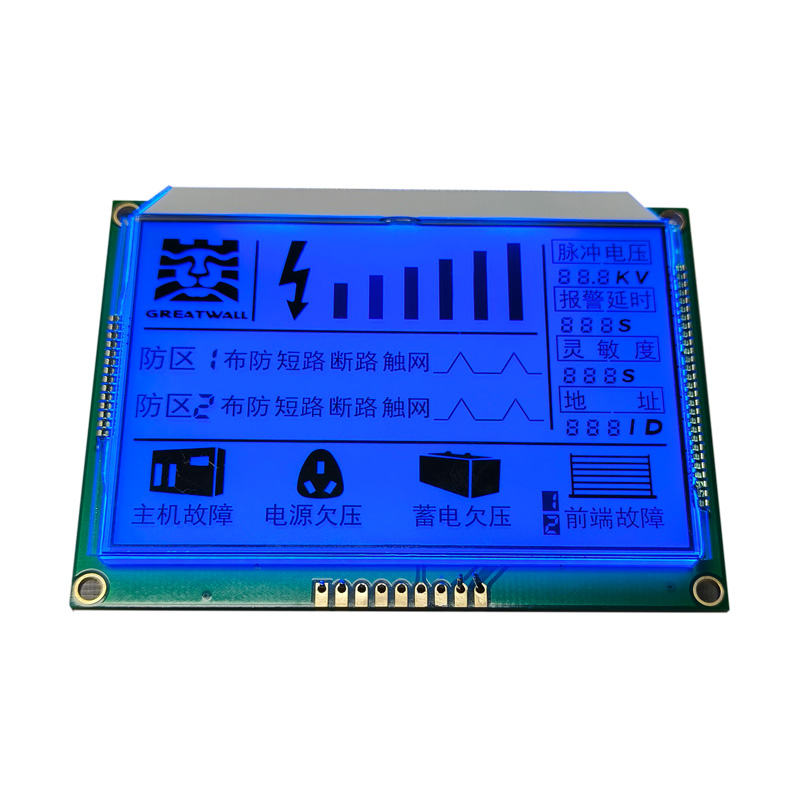
Tailoring electronic components to meet specific application demands is becoming increasingly vital in today's fast-paced tech landscape. As industries evolve, from consumer gadgets to industrial machinery, the need for adaptable solutions that integrate seamlessly across various platforms is paramount. By leveraging modular architectures and flexible programming interfaces, designers can craft systems that not only perform optimally but also scale efficiently with changing requirements. This approach enables rapid deployment and reduces development cycles, ensuring products stay relevant in competitive markets.
Beyond just functionality, customization plays a crucial role in enhancing user experience and operational efficiency. For instance, in healthcare devices or automotive electronics, bespoke designs allow for precise adjustments that cater to unique environmental or safety standards. Incorporating user feedback and iterative testing helps refine these designs, resulting in intuitive interfaces and reliable performance under diverse conditions. This human-centered focus ensures that electronics are not only effective but also accessible and comfortable for end-users.
Looking ahead, the trend towards personalized electronics is set to deepen, driven by advancements in artificial intelligence and IoT connectivity. Future applications might see self-adapting systems that learn from user behavior to offer real-time optimizations, from smart home setups to industrial automation. Embracing this adaptive mindset allows companies to innovate continuously, pushing the boundaries of what's possible in electronics and fostering solutions that are as unique as the challenges they aim to solve.
Energy Efficiency and Longevity in Modern Display Solutions
In today's displays, energy efficiency and longevity are key not just for saving power, but for shaping how we use technology over time. Modern screens, from OLED to advanced LED panels, are designed to consume less electricity while delivering vibrant colors and sharp images. This efficiency often stems from innovations like dynamic backlighting or energy-saving modes that adjust brightness based on content, ensuring devices last longer on a single charge and reducing environmental impact.
Beyond power consumption, the durability of display components plays a big role in their lifespan. Manufacturers now focus on materials that resist wear, such as scratch-resistant coatings or heat-dissipating layers, helping screens withstand daily use without degrading quickly. For instance, some displays incorporate robust pixels that maintain brightness and color accuracy over years, making them ideal for both consumer electronics and professional settings where reliability matters.
These advancements do more than boost specs; they redefine user experiences by ensuring devices stay functional and efficient long-term. By prioritizing both energy savings and endurance, modern display solutions support sustainability efforts and offer better value, making them a smart choice for anyone looking to invest in technology that adapts to evolving needs.
Integration Techniques for Seamless Electronics Development
In electronics development, achieving seamless integration relies on a combination of agile methodologies and cross-functional collaboration. Teams often adopt iterative design cycles, where prototyping and testing happen concurrently rather than sequentially, reducing time-to-market and allowing for quick adjustments based on real-world feedback. This approach helps bridge gaps between hardware and software components, ensuring they work in harmony from the early stages. By fostering communication between engineers, designers, and stakeholders, projects can avoid siloed workflows that typically lead to compatibility issues and delays, creating a more fluid development environment.
Leveraging modular design principles further enhances integration by enabling teams to reuse and adapt existing components across different projects. This not only cuts down on redundant work but also ensures consistency and reliability, as modules are thoroughly vetted and optimized over time. For instance, using standardized interfaces and protocols, like USB-C or I2C, simplifies the connection between various subsystems, minimizing errors during assembly and integration. When combined with version control systems tailored for hardware, such as Git with extensions for schematics, teams can track changes effectively and maintain a coherent system architecture, streamlining the entire development pipeline.
To truly stand out in a competitive landscape, companies are increasingly adopting hybrid strategies that blend traditional engineering with emerging technologies like AI-driven simulation tools. These tools can predict integration challenges before they arise, optimizing layouts for thermal management or signal integrity, which are critical in dense electronic assemblies. By integrating these insights into the design process early on, developers can preemptively address potential bottlenecks, resulting in products that are not only functional but also robust and scalable. This proactive stance transforms integration from a reactive troubleshooting phase into a core aspect of innovation, setting apart projects that prioritize foresight and adaptability.
Advancements in Clarity and Visibility for Harsh Environments
In today's demanding applications, visibility in harsh environments isn't just an option—it's a critical necessity. New technologies are tackling this challenge head-on, pushing the boundaries of what's possible in extreme conditions. For instance, high-performance optical coatings and advanced anti-glare materials are now being integrated into devices, allowing them to maintain clear visuals even under intense sunlight, heavy rain, or dusty surroundings. These innovations aren't just about improving specs; they're about empowering operators to make split-second decisions with confidence, reducing errors and enhancing safety across industries like aviation, mining, and offshore operations.
Moreover, the push for clarity has led to smarter systems that adapt on the fly. Think of cameras equipped with intelligent image processing that compensates for fog, smoke, or low-light scenarios in real time, or displays that adjust their brightness and contrast to match ambient conditions. Such advancements mean workers can rely on their tools to provide reliable information without constant manual adjustments, boosting efficiency and reducing fatigue. This adaptability is key in environments where conditions change rapidly, ensuring that visibility isn't compromised when it matters most.
From ruggedized eyewear with augmented reality overlays to vehicle dashboards that stay readable in snowstorms, these developments are reshaping how we interact with harsh settings. By blending durability with cutting-edge clarity, they're not just meeting standards—they're setting new ones, allowing organizations to operate more effectively in the toughest of terrains. This progress underscores a shift toward proactive solutions that anticipate challenges, rather than just reacting to them.
Cost-Effective Innovations Driving Market Adoption
In today's fast-paced market, cost-effective innovations are often the hidden catalysts that push products from niche adoption into the mainstream. These breakthroughs typically solve a common problem—like making technology more affordable or processes more efficient—without sacrificing quality. For instance, the rise of open-source software has slashed development costs across industries, enabling startups to compete with giants by offering robust solutions at a fraction of the price. It's not just about cutting corners; it's about smarter design that appeals to budget-conscious consumers and businesses alike.
Take the example of electric vehicles (EVs), which saw sluggish uptake until battery costs plummeted due to advancements in materials and manufacturing. Suddenly, EVs became a viable option for the average buyer, not just eco-enthusiasts. Similarly, in healthcare, telemedicine platforms have leveraged low-cost digital tools to expand access to care, particularly in remote areas. These innovations don't just lower barriers; they create new markets by meeting needs that were previously unaddressed or too expensive to tackle.
What truly sets cost-effective innovations apart is their ability to foster rapid adoption through value perception. When a product offers significant benefits at a lower cost, word-of-mouth and social proof accelerate its spread. Think of how budget-friendly smart home devices have transformed households worldwide, making automation accessible to many. By focusing on affordability and functionality, these innovations build momentum, turning early adopters into advocates and driving widespread market acceptance in ways that premium offerings often struggle to match.
FAQ
7 segment LCD screens offer high visibility, low power consumption, and durability, making them ideal for devices like calculators, digital clocks, and industrial interfaces where clear numeric or alphanumeric displays are needed without complex graphics.
Unlike OLED or LED displays that use individual pixels for full-color images, 7 segment LCD screens consist of fixed segments (typically seven per digit) that form numbers or simple symbols, focusing on simplicity and cost-effectiveness rather than versatility in content display.
They are widely used in consumer electronics such as microwave ovens and thermostats, automotive dashboards for odometers, medical devices like blood pressure monitors, and industrial equipment for straightforward numeric readouts where reliability is crucial.
Recent advancements include enhanced backlighting options for better readability in low light, thinner panel designs to save space, and improved manufacturing processes that increase lifespan and reduce energy use, aligning with eco-friendly trends.
Yes, manufacturers often tailor these screens by varying segment sizes, colors, and backlight types to match aesthetic and functional requirements, allowing for unique branding or specialized interfaces in niche markets.
Key challenges include ensuring compatibility with varying power supplies, optimizing segment visibility under different lighting conditions, and managing space constraints in compact devices, which require careful planning during the design phase.
Due to their simple design and standardized components, 7 segment LCD screens are inexpensive to produce, enabling cost savings in large-scale manufacturing and making them a practical choice for budget-conscious projects without sacrificing quality.
Conclusion
Seven-segment LCD screens represent a cornerstone of modern electronics, seamlessly blending traditional functionality with innovative enhancements. These displays excel in enhancing user interfaces by providing clear, reliable indicators for everything from digital watches to industrial equipment, ensuring intuitive interactions across diverse applications. Their customizable designs allow manufacturers to tailor displays to specific needs, whether for consumer electronics or specialized medical devices, fostering versatility without compromising performance. Moreover, advanced integration techniques facilitate seamless development, enabling engineers to embed these screens into complex systems with minimal hassle.
Beyond adaptability, these solutions prioritize energy efficiency and longevity, making them a sustainable choice in an era focused on reducing power consumption. Advances in clarity and visibility ensure reliable performance even in harsh environments like outdoor signage or automotive dashboards, where readability is critical. Coupled with cost-effective innovations that drive market adoption, seven-segment LCDs remain a practical yet forward-looking technology. By combining durability, affordability, and modern features, they offer a compelling display solution that meets current demands while paving the way for future electronic advancements.
Contact Us
Contact Person: Vincent
Email: [email protected]
Tel/WhatsApp: 86 135 5485 1379
Website: https://www.jda-display.com/