

Best Laser Hair Removal Glasses: Essential Eye Protection for Smooth, Safe Results
2026-06-22
Laser hair removal promises silky-smooth skin, but without proper eye protection, those bright flashes can pose real risks. That’s where LASERPAIR steps in—crafting glasses that shield your eyes without compromising comfort or clarity. Whether you’re a professional technician or doing it at home, the right eyewear makes all the difference. Let’s dive into why these glasses are a non-negotiable part of your hair removal routine.
The Hidden Risks of Skipping Eye Protection During Laser Hair Removal
Many people assume that the biggest threat during laser hair removal is simply the zap of the laser against the skin, but the hidden dangers often lie in what we don't see—the intense pulses of light that can scatter and reflect off surfaces. Without proper eye protection, these stray beams pose a silent risk to both the client and the practitioner. Even a brief, accidental exposure can disrupt the delicate structures of the eye, leading to discomfort, temporary vision spots, or more serious long-term damage. It’s a risk that remains invisible until the moment it’s too late, which is why shielding the eyes should never be treated as an afterthought.
Beyond the immediate concern of direct laser contact, there’s the overlooked issue of cumulative exposure over multiple sessions. Think of it like a subtle erosion: each appointment without adequate goggles might not cause noticeable harm right away, but the repeated stress can gradually affect retinal health. The eyes are designed to handle natural light, not concentrated bursts of coherent energy. Whether you’re lying on the treatment bed or standing by as the operator, the reflection from shiny surfaces like jewelry, mirrors, or even pale skin can redirect enough light to cause a reaction over time. It’s a slow, creeping hazard that doesn’t announce itself with pain or instant symptoms.
There’s also a common misconception that closing your eyes is enough to block the laser. Eyelids are simply too thin to filter out the high-intensity wavelengths used in these procedures. The light can penetrate right through, reaching the retina and potentially causing photochemical or thermal injury. This is why clinics emphasize the use of specific wavelength-blocking shields, not just any sunglasses. Skipping this step might save a minute of prep, but it opens the door to a range of complications—from temporary photophobia to lasting visual disturbances. When it comes to laser safety, what you can’t see can indeed hurt you, and prevention is as simple as securing a pair of properly rated protective lenses before the first pulse fires.
Decoding the Lens: What Makes Laser Safety Glasses Effective?
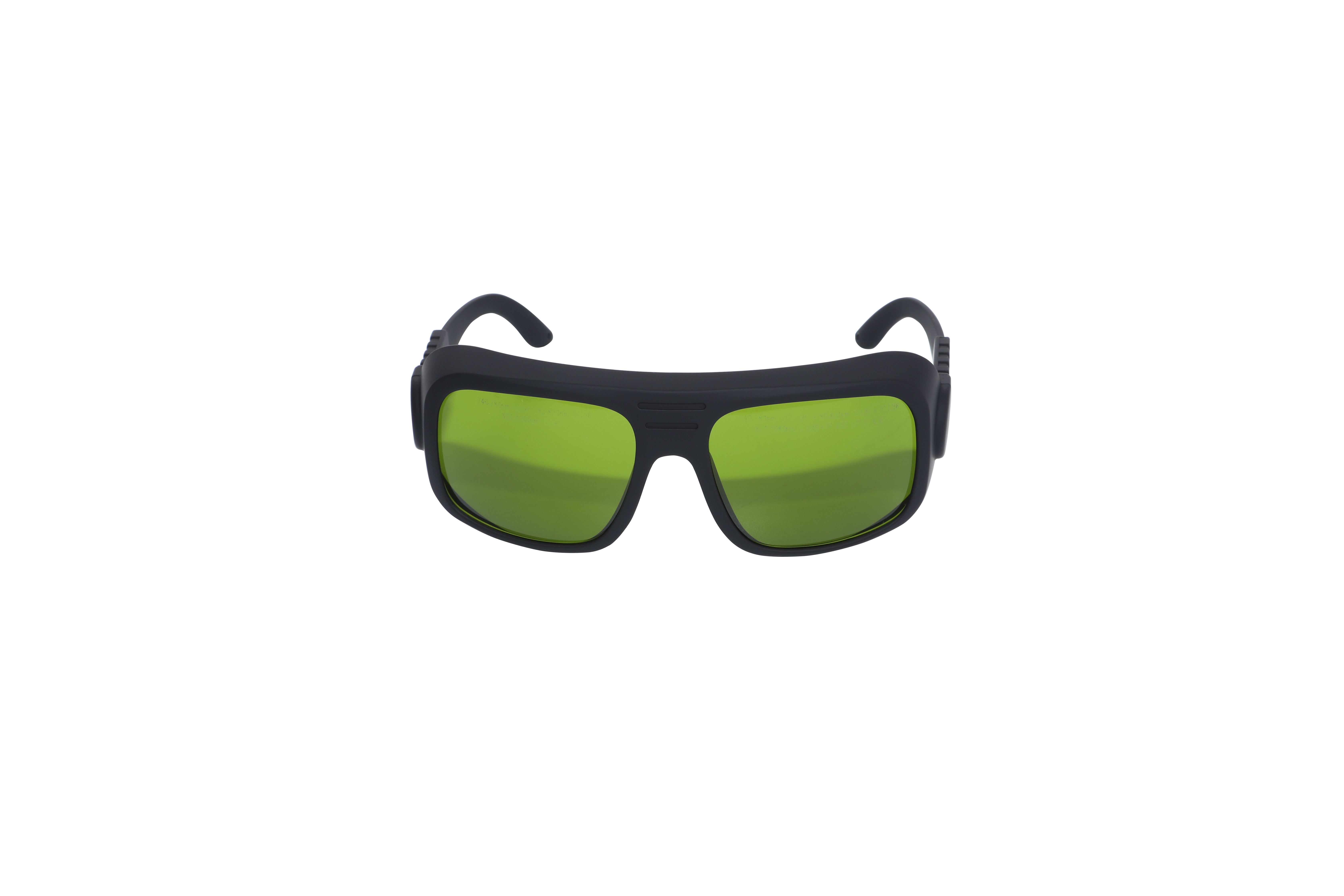
At the heart of any reliable laser safety glasses lies the optical filter, a precision-engineered lens that selectively absorbs or reflects specific wavelengths. Unlike ordinary tinted eyewear, these lenses are doped with specialized dyes or coated with dielectric layers that target exact laser frequencies. The magic happens at the atomic level—when a laser beam hits the lens, the filter's molecular structure captures the photons and converts their energy into heat, drastically reducing the light intensity that reaches the eye. This isn't a one-size-fits-all solution; each pair is tuned to block a narrow band of wavelengths while letting through as much ambient light as possible, preserving visibility and color recognition for the user.
Equally critical is the concept of optical density, a logarithmic measure of how much the lens attenuates the laser beam. A higher OD rating means greater protection, but it's not simply about picking the darkest lens. The effectiveness hinges on matching the OD to the laser's power and exposure duration—too strong a filter might render the wearer unable to see the beam or the work area, creating new hazards. Manufacturers must balance attenuation with visual clarity, often laminating multiple filter layers to handle pulses without degrading. Real-world testing against standards ensures the glasses maintain their protective qualities even after prolonged use, scratches, or exposure to harsh environments.
Choosing the Right Optical Density for Your Laser Device
Optical density isn’t just a number printed on a pair of goggles. It directly tells you how much a filter weakens the laser beam: an OD of 2 cuts it down by 100 times, OD 4 by 10,000, and so on. But chasing the highest OD available rarely makes sense. Over‑protecting leads to dark, tinted eyewear that obscures alignment tasks or makes it hard to see faint guide beams. The trick is to match the attenuation exactly to what your laser actually puts out.
Start by grabbing the laser’s wavelength and maximum output power. If it’s a low‑power visible pointer – say 5 mW – an OD of 2 or 3 might already bring the exposure below safety limits. A 500 mW continuous‑wave laser, on the other hand, often demands OD 5 or higher, especially if you’re working up close for extended periods. Don’t guess: use the maximum permissible exposure (MPE) tables from ANSI Z136 or IEC 60825, then calculate the exact OD that drops the beam below that threshold. Remember that pulsed lasers can deliver peak power far beyond the average rating, so factor in pulse energy and duration.
Real‑world use matters just as much as the math. Scratched or aging lenses lose protection, and filters that aren’t designed for your exact wavelength can let dangerous amounts of energy through. Check the product’s wavelength range – a broad‑spectrum filter might claim OD 4+ across 190–1800 nm, but actual performance can dip near the edges. If the laser has multiple lines (like an argon‑ion laser), verify coverage at every wavelength. And whenever possible, test the eyewear with a low‑power beam before trusting it in a high‑stakes setting. A laser safety officer can help calibrate measurements and spot hidden risks in complex setups.
Comfort and Durability: Factors That Affect Your Treatment Experience
The way a treatment setup feels against your skin often determines how consistently you’ll use it. Materials that breathe well, stay cool overnight, or soften with washing tend to create a less intrusive experience, letting you go about daily life without constant reminders of what you’re wearing. Small design details—like contoured edges, flexible trims, or adjustable straps—can make a surprising difference in reducing pressure points and preventing that nagging urge to remove everything mid-session.
Durability quietly shapes satisfaction over time. Products that resist fraying, discoloration, and shape loss after repeated contact with skin oils, moisture, and movement offer a sense of reliability that’s easy to overlook until something fails. When components stay functional through dozens of wash and wear cycles, you’re less likely to deal with interruptions or unexpected replacements, which keeps the focus on progress rather than upkeep.
There’s also a subtle link between how something holds up and how it feels shift after shift. Fabrics that pill or break down early can develop rough spots that irritate, while reinforcement in high-stress areas—done without adding bulk—extends the window of comfortable use. That balance between immediate softness and long-term integrity is often what separates an experience that stays gentle and predictable from one that gradually becomes a distraction.
Professional vs. Over-the-Counter: Which Laser Glasses Should You Trust?
The gap between professional laser glasses and what you find on a drugstore rack comes down to certification and precise filtering. Professional pairs are tested to meet ANSI or EN standards, meaning they block specific wavelength ranges with known optical density, while many over‑the‑counter options rely on tinted lenses that might cut some visible light but don’t guarantee protection against the actual laser you’re using. A dark lens doesn’t automatically stop an infrared beam, and without a label indicating the exact wavelength coverage, you’re gambling with your eyesight.
Comfort and fit matter more than you think, especially if you wear them for hours. Professional glasses are designed with adjustable frames, lightweight materials, and wraparound coverage that prevents stray reflections from sneaking in around the edges. In contrast, mass‑market glasses often feel flimsy, pinch after a while, and can easily get scratched, degrading any protection they might offer. When you’re concentrating on precise work, you don’t want to be distracted by sliding frames or fogged lenses.
Price alone shouldn’t decide what goes between your eyes and a laser beam. While it’s tempting to grab a cheap pair, the cumulative damage from inadequate protection can be permanent and painless until it’s too late. If you’re operating anything beyond low‑power classroom pointers, stick with glasses that list the specific wavelength and OD rating clearly on the frame. A one‑time investment in certified eyewear buys peace of mind that no over‑the‑counter bargain can replicate.
Simple Care Routines to Extend the Life of Your Protective Eyewear
Keeping your protective eyewear in top shape doesn't have to be a chore. A few quick habits can save you from scratches, fogging, and premature replacement. Start by rinsing them under lukewarm water to loosen any debris—hot water can warp frames or damage coatings.
When it's time to actually clean the lenses, skip your shirt or a paper towel. Those can leave micro-scratches. Instead, use a soft microfiber cloth and a lens cleaner specifically made for coated polycarbonate. A light touch is better than rubbing hard—grime usually lifts off easily if you're gentle.
Storage matters just as much as cleaning. Tossing them into a bag or onto a dusty shelf leads to scratches you might not notice until they affect your vision. Pop them into a hard case whenever you're not wearing them. It's a tiny step that makes a real difference, especially if you're working around grit or chemicals.
FAQ
Laser hair removal uses intense light that can harm your eyes. Standard sunglasses aren't enough; you need glasses with specific wavelength filters to block the laser's light and prevent retinal damage.
Look for glasses that specify the wavelength they protect against (usually 1064nm for Nd:YAG, 755nm for alexandrite, etc.), optical density (OD) rating, and a comfortable fit. Wrap-around styles offer better coverage, and anti-fog coatings help during treatment.
No, most glasses are designed for specific wavelengths. If the clinic uses multiple laser types, you'll need glasses that cover all those wavelengths, or you might need to switch. Always check the laser's specifications and match them to the glasses' protection range.
Opaque eye shields or goggles placed directly on the eyes are sometimes used, especially for the patient. But for the operator or any bystander, properly fitted laser safety glasses are essential because they allow you to see while blocking the harmful light.
Look for certifications like ANSI Z136.1 in the U.S. or CE marking in Europe. These indicate the glasses have been tested for impact resistance and filter efficiency. Reputable sellers will list these on the product.
They won't prevent skin reactions like redness or swelling because those are skin-related. The glasses only protect your eyes from the laser light. To minimize skin reactions, follow pre- and post-treatment care instructions, like avoiding sun exposure and using soothing creams.
Conclusion
Most people focus on the flash of the laser and the promise of smooth skin, rarely thinking about what that intense light could do to unprotected eyes. The truth is, even indirect exposure—from scattered or reflected beams—can burn the retina or cause lasting damage. Good laser glasses aren't just tinted goggles; they're precisely tuned filters that block specific wavelengths your device emits, while still letting enough light through so you can see clearly. The trick lies in the optical density, a number that tells you how much protection you're getting. A lower OD might not cut it for powerful diode or Nd:YAG lasers, and using glasses meant for a different wavelength is as risky as skipping them altogether. Matching that number to your machine's output transforms a potential hazard into a calm, predictable experience.
But the numbers on the lens aren't the whole story. If the frames dig into your temples or slide off your nose halfway through a session, you're miserable—and you might be tempted to adjust them, which can expose you. Look for lightweight builds, padded nose bridges, and lenses that don't warp your side vision. Durability after repeated use and cleaning also matters; scratched lenses scatter light and weaken protection. When it comes to buying, professional-grade eyewear tested to standards like ANSI Z136 tends to outlast and outperform generic pharmacy pairs, even if they look similar. Once you have a reliable set, a few easy habits—wiping them with the right cloth, storing them in a case rather than tossing them in a drawer—keep them effective for years. In the end, solid eye protection simply fades into the background, letting you get back to your life with smooth, safe results.
Contact Us
Contact Person: Jenny
Email: [email protected]
Tel/WhatsApp: +86 13537713281
Website: https://www.laserpair-safety.com/