Best Recovery Machine for Faster Muscle Recovery and Relaxation
2026-11-16
After an intense workout, your muscles are begging for a break—but soreness and stiffness can slow you down for days. What if you could accelerate recovery and melt away tension in minutes, not hours? The best recovery machine makes that possible, combining targeted compression and soothing heat to boost circulation and ease muscle fatigue. Enter HONGSEN, a brand that's quietly changing how athletes and everyday fitness lovers bounce back. In this guide, we'll break down what to look for in a recovery device and why HONGSEN might be your missing piece for faster, deeper relaxation.
Muscles Don't Recover on Rest Days Alone
Sitting on the couch and waiting for soreness to fade rarely gets the job done. Muscles need blood flow to clear metabolic waste and deliver amino acids, but a completely inactive rest day leaves circulation sluggish and tissues stiff.
Light activity like an easy walk, a short bike ride, or some gentle mobility work keeps recovery moving without adding training stress. Pair that with enough sleep and protein, and off days become an active part of the rebuilding process instead of just a pause between workouts.
Why Some Recovery Tools Feel Good but Do Little
A foam roller can feel like a deep-tissue miracle in the moment—muscles sigh, tension melts—but the relief often evaporates by morning. That's because many popular recovery gadgets stimulate sensory nerves without addressing the mechanical or metabolic stress that actually slows repair. The pleasant ache fades, leaving your tissues exactly where they were: tight, fatigued, and primed for the same problem tomorrow.
The gap between feeling and function comes down to what the tool is actually doing. Vibration, percussive massage, and even static stretching can trigger a temporary neurological relaxation, tricking your brain into perceiving less stiffness. But unless the intervention changes blood flow patterns, reduces localized inflammation, or restores sliding between fascial layers, the effect is closer to a placebo than a repair. You walk away relaxed, not recovered.
This isn't to say comfort is worthless—calming the nervous system does matter for sleep and stress. But if you're using a recovery tool solely because it feels good in the moment, you might be mistaking sensation for progress. The tools that truly help often feel less dramatic: gentle movement, graded loading, or targeted compression that works on tissue quality rather than just nerve endings.
The Recovery Machine Features Worth Your Attention
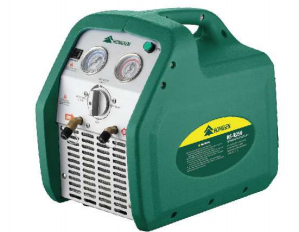
Recovery machines rarely get the attention they deserve until one quits mid-job. Yet the difference between a smooth refrigerant pull and a frustrating afternoon often comes down to a handful of design details. Look closely at the compressor type: a twin-cylinder oil-less unit runs cooler and handles liquid slugging better than cheaper single-cylinder alternatives, which means fewer stalls when you're working against the clock. The condenser fan placement also matters — rear-exit airflow keeps hot air off your hands while the machine sits in the van doorway.
Portability shapes every service call. A machine with a low center of gravity and a recessed handle won't tip over when you drag it up a flight of stairs. Check the hose connections too: ball valves that seat fully closed prevent the annoying dribble of refrigerant when you disconnect, and a built-in sight glass lets you confirm liquid flow without guesswork. Some models now include a self-purge feature that clears the internal lines automatically, so you're not carrying trapped refrigerant to the next job.
What sets better units apart is how they handle real-world abuse. Look for a high-pressure cutout switch that trips before the tank gets overfilled, and a filter-drier that's easy to reach without removing the shell. Even the power cord tells you something — a 12-gauge cord with a molded plug survives being rolled over by a creeper far longer than a flimsy 16-gauge cord. These aren't glamorous features, but after the third rooftop recovery on a ninety-degree day, you'll notice every one of them.
How Faster Recovery Changes Your Training Week
When your legs stop aching by Tuesday afternoon, the whole weekly plan opens up. You don't have to wedge every hard session into the early part of the week just to limp through the weekend. Instead, you can stack a track workout on Wednesday evening and still feel fresh enough for a long trail run on Saturday morning. That kind of flexibility is rare—and it changes how you think about "recovery days" altogether.
Faster recovery also means you can afford to push the intensity dial more often. A second interval session or a heavier strength day no longer feels like a gamble with your joints. You learn to read your body's signals more accurately because the baseline soreness is lower, so genuine fatigue stands out instead of blending into a constant background ache. This leads to smarter training decisions, not just harder ones.
Perhaps the biggest shift is psychological. When you're not dreading the next workout because of lingering stiffness, you start to enjoy the process more. The week feels less like a countdown to collapse and more like a rhythm you can actually sustain. That mental refresh often translates into better sleep, better nutrition choices, and a more consistent long-term habit.
A Practical Way to Measure Recovery Progress
A quick way to gauge whether your body is actually bouncing back is to track a simple recovery score each morning. Instead of relying on how you feel in the moment—which can be misleading—combine a few signals: resting heart rate, hours of sleep, and a one-to-five rating for muscle soreness and mental freshness. Add those together or average them into a single number.
Write that number down every day, but don't obsess over a single bad score. What matters is the trend across a full week. If your average drops for three or four days in a row, it's usually a sign to back off intensity or add an extra rest day. The beauty of this method is that it takes thirty seconds and forces you to notice patterns you'd otherwise miss.
After a couple of weeks, you'll start to see your own baseline. Some people naturally sit at a 7 out of 10, others at a 5. The point isn't to reach a perfect score—it's to know what normal looks like for you, so any deviation becomes obvious before it turns into burnout or injury.
Making Relaxation a Non-Negotiable Part of Training
Most athletes treat rest like a reward they haven't earned yet. They push through tight shoulders, shallow breathing, and that low-grade hum of fatigue, convinced that slowing down will undo the week's work. The irony is that the work only sticks when the nervous system gets a chance to file it away. Relaxation isn't a lazy add-on; it's the glue between stimulus and adaptation.
Block off fifteen minutes after your hardest sessions the same way you'd block off a lifting slot. Lie on the floor, legs up a wall, breathe through your nose until your ribs stop fighting. If your schedule can't absorb that, the schedule is the problem, not the rest. Coaches who skip this step wonder why their athletes plateau, get injured, or wake up dreading a sport they used to love.
Treat recovery as a skill to be drilled, not a passive pause. That might mean a slow walk without headphones, a deliberate exhale before you unlace your shoes, or a ten-minute body scan before bed. The point isn't to do nothing; it's to teach your body that the threat is over. Once that becomes automatic, performance stops feeling like a fight against your own physiology.
FAQ
A recovery machine is any device that applies mechanical pressure, vibration, or compression to soft tissue. Percussive massage guns tend to work fastest for immediate soreness relief because they hit deep trigger points quickly, while compression boots are slower but better for systemic leg recovery.
They increase blood flow to the targeted area, which helps flush out metabolic waste and bring in oxygen and nutrients. Rest alone does this too, but at a much slower rate. The mechanical stimulation also helps break up adhesions and reduces the perception of tightness more directly.
Most machines are safe for daily use if you keep sessions short and avoid bony areas or injuries. Daily use is often beneficial for people with sedentary jobs or chronic tension. Just dial down the intensity on rest days and never use a device over acute inflammation or bruising.
Look for adjustable speed and amplitude, a quiet motor, and multiple head attachments. A stall force above 30 pounds is good for deeper work, while a lower speed setting and a soft air-filled head make it usable for gentle relaxation. Battery life over two hours is also worth prioritizing.
It's a complement, not a replacement. Stretching improves range of motion through lengthening muscle fibers, while most machines work on tissue quality and blood flow. Combining a short percussion session with static holds gives you better long-term mobility than either one alone.
A massage gun delivers targeted, rapid pulses that can reach specific knots without requiring you to move your body weight around. A foam roller uses broader, slower pressure and forces you to stabilize your body. For relaxation, the gun is easier to control intensity, but the roller gives a more diffuse, whole-muscle release.
Within 30 to 60 minutes post-workout is ideal, especially after hard training. That's when blood flow is already elevated and the tissue is more receptive to manipulation. A short 5 to 8 minute session on the major muscle groups is enough to make a difference without overworking the tissue.
Cheaper units can work for light relaxation, but they often lack stall force and have noisy, unreliable motors. If you plan to use it regularly or for deep muscle recovery, spending a bit more on a model with a brushless motor and solid battery management is worth it. The higher stall force means the head won't stop when you press into dense muscle.
Conclusion
Rest days are not enough if you want muscles that actually bounce back. Sitting still might stop the damage, but it rarely speeds up repair. Many recovery gadgets feel nice in the moment yet fail because they only warm the skin or vibrate without enough force to reach deep tissue. What matters is a machine that combines targeted compression, adjustable percussive intensity, and true heat therapy—not just a gentle massage roller. Look for variable speed control, ergonomic heads that fit large and small muscle groups, and a timer that lets you work through calves, quads, back, and shoulders without chasing settings. These details separate a useful recovery tool from a placebo.
When recovery speeds up, your training week shifts from dreading stiffness to handling harder sessions sooner. You can measure that shift without fancy lab equipment: track morning resting heart rate, subjective soreness on a 1–10 scale, and how easily you move through a basic squat or shoulder reach. If those markers stay ugly for days, the machine isn't doing its job. But if soreness fades faster and sleep feels deeper, you're on the right track. Pair the machine with a simple rule—relaxation is part of training, not a reward for finishing it. Ten minutes on the calves and lower back after your hardest days makes consistency easier, and that consistency is what actually builds resilience over time.
Contact Us
Contact Person: KOPASS HO
Email: [email protected]
Tel/WhatsApp: 8613606566112
Website: https://www.hongsenref.com/