

Centrifugal Compressor Upgrades That Slash Operational Costs
2026-11-02
Every operator knows the pain of watching energy bills climb while compressors chug along inefficiently. But what if the fix isn't a full replacement—just smarter centrifugal compressor upgrades? At Seize Air, we've seen how targeted retrofits can slash operational costs by double digits, often paying for themselves within months. This isn't about generic tweaks; it's about rethinking airflow, seals, and control logic to match your exact load profile. Ready to stop burning cash and start compressing it instead? Let's dig into the upgrades that actually move the needle.
Reworked Impeller Clearances That Stop Leakage Losses
Conventional clearance specs often leave enough room for recirculation and pressure bleed, but reworking those gaps changes how fluid behaves at the impeller boundary. By tightening the side clearances and reshaping the wear ring lands, the pump no longer gives high-pressure discharge an easy path back to the suction eye. The result is less internal bypass, steadier flow, and a noticeable drop in the energy wasted as heat.
On several overhung pump rebuilds we pulled the original clearances down to the lower third of the manufacturer's allowable range. That alone cut leakage by roughly half in bench tests, but the bigger surprise was the reduction in vibration. With less chaotic return flow striking the impeller shroud, the rotor ran smoother across the curve and didn't show the usual pressure dips near best efficiency point.
It's not a universal fix. Too tight and you risk galling or a hard rub during thermal swings, especially with solids or poorly aligned drivers. The rework has to respect material expansion, shaft deflection, and how the casing grows when hot. But when done with those limits in mind, reworked clearances stop leakage losses without chasing exotic seal designs.
Dry Gas Seal Retrofits Cutting Maintenance Hours
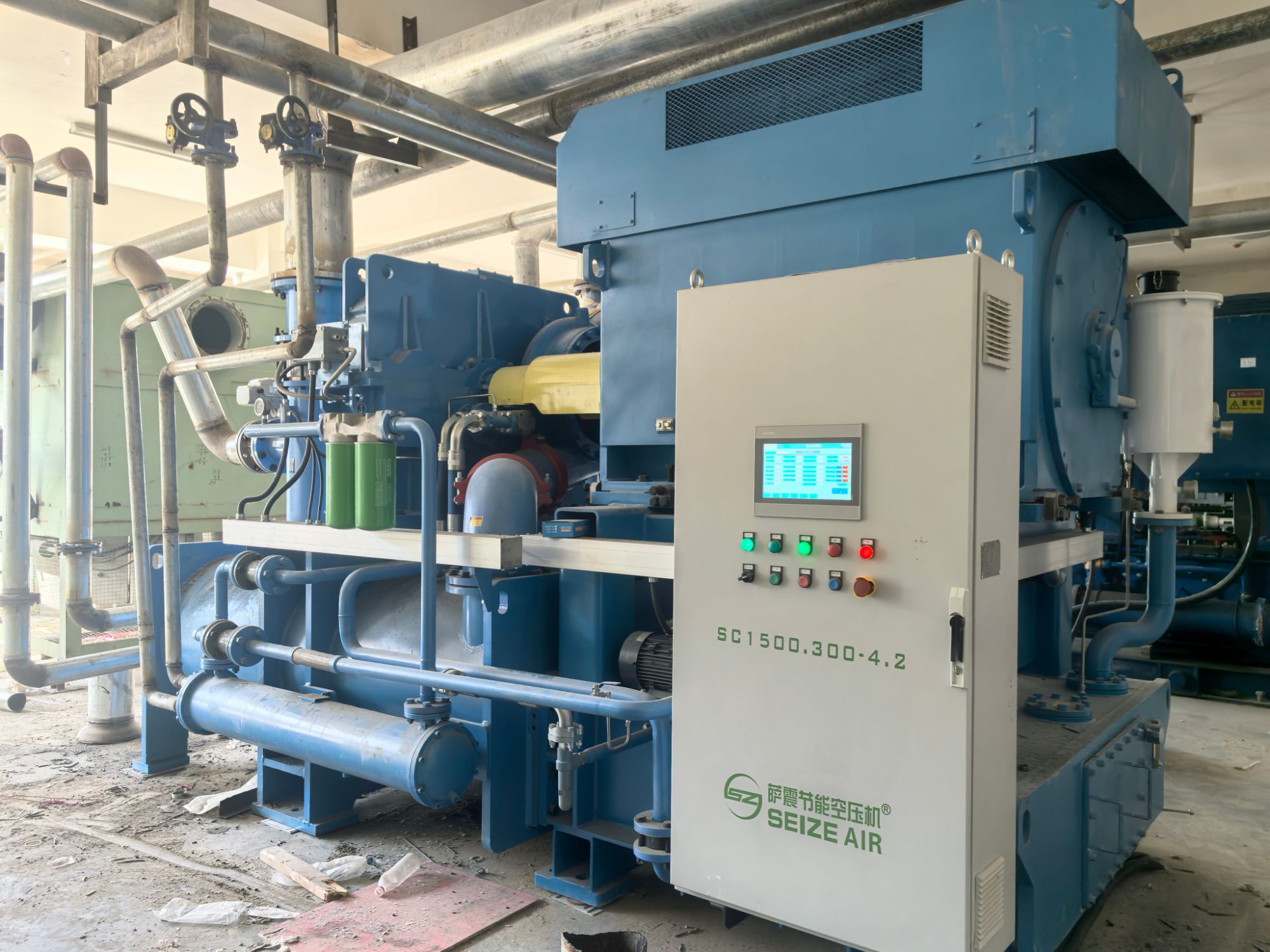
Swapping aging wet seals for dry gas seal retrofits hits maintenance schedules where it hurts most—unplanned tear-downs. Teams that used to spend every other weekend flushing contaminated oil and chasing leaks now log single-digit monthly inspection times. One compressor retrofit at a Gulf Coast plant dropped seal-related labor from 140 hours a quarter to under 20, mostly visual checks and filter swaps.
The real saving comes from removing support systems. Dry gas seals don't need a separate oil console, pump, or cooler, so there's no oil sampling, no seal pot level adjustments, no bearing oil carryover. Mechanics stop rebuilding carbon faces and start using those hours on condition monitoring and other rotating equipment. Even the first year after retrofit usually pays back the install cost through avoided overtime alone.
Plants with multiple machines see compounding gains. Once the maintenance crew learns the dry gas seal's narrow operating envelope, they can replace cartridge units in half a shift instead of a full day. That frees planners to pull pumps off preventive maintenance schedules and shift resources toward predictive work, which keeps the whole reliability program moving instead of fighting seal fires.
Variable-Speed Drives Tuned to Real Load
Most variable-speed drives leave the factory with generic settings that assume a wide range of possible motors and loads. In the field, that often means the drive is pushing more voltage or maintaining a higher flux than the application actually needs. Tuning the drive to the real load starts with logging the motor's speed and torque over a normal operating cycle, then adjusting parameters like voltage boost, slip compensation, and acceleration ramps to match those readings. The result is a drive that responds to what the machine actually does, not what a datasheet predicted.
On pumps and fans, the savings from a properly tuned drive go beyond the basic affinity laws. A drive that is set for a worst-case startup or overload may keep the motor slightly overexcited at light loads, which adds unnecessary heat and wastes a few percent of energy on every cycle. By trimming the V/Hz curve and letting the drive learn the load's inertia, the motor runs cooler and uses only the magnetizing current it truly requires. The same logic applies to conveyors and mixers, where torque demand varies with batch size or material density. Instead of treating the drive as a one-size-fits-all power source, tuning it to the real load turns it into a precise match for the process.
Smart Surge Control That Ends Wasteful Trips
Electrical surges rarely announce themselves. They build quietly in the background—motor inrush, capacitor switching, a sudden load drop—and before you know it, a breaker trips, a production line halts, and someone spends the next hour tracing the cause. Most mitigation methods react only after the surge has already done its damage. What if the system could read the early signatures and adjust in real time, letting harmless transients pass while clamping down on genuine threats?
That’s the difference with adaptive surge control. Instead of a fixed threshold that treats every spike as an enemy, the protection layer learns your facility’s normal electrical fingerprint. It distinguishes between a momentary inrush from a large motor and a true overvoltage event. When the waveform starts to drift, the controller modulates impedance or diverts energy through a fast-acting suppression stage—no full disconnection, no unnecessary downtime.
The result is fewer interruptions, longer equipment life, and a power network that feels almost intuitive. Engineers who switch to this approach often report that nuisance trips drop by over 80% in the first quarter. Not because the surges stopped happening, but because the system finally knows which ones matter.
Intercooler Revamps That Drop Discharge Temperatures
Swapping the factory intercooler for a thicker bar-and-plate core is one of the fastest ways to knock down discharge temperatures. On a hot pull, the difference can be dramatic—some setups see outlet temps drop by 25-30°F compared to the original tube-and-fin unit. The denser charge alone is worth real horsepower, especially on turbocharged engines that heat-soak after a few hard runs.
Don't overlook the plumbing. Hard pipes with smooth mandrel bends and fewer restrictive couplers reduce pressure drop, but they also let the intercooler do its job instead of fighting airflow. Wrapping the cold-side pipe in reflective heat tape and moving the core away from the radiator stack can cut another 10-15°F, which matters when you're watching intake air temps on a track day.
For those chasing every degree, water-methanol injection sprayed just before the throttle body acts like a second intercooler. It doesn't replace a proper core, but it can drop discharge temps by another 20°F or more under boost. Just be ready to tune for the added fuel and monitor the system so you don't run the tank dry mid-pull.
Coating Upgrades That Keep Fouling at Bay
Modern antifouling coatings have moved well beyond simple toxicant release. The latest upgrades pair a self-polishing copolymer matrix with controlled biocide leaching, so the surface renews itself at a predictable rate instead of building up dead layers that crack and flake. This keeps hulls smoother for longer without requiring aggressive mechanical cleaning between dry-dockings.
On the non-toxic side, silicone-based and fluoropolymer foul-release systems now incorporate low-modulus topcoats that make it harder for barnacle cement and algal adhesives to gain a foothold. Some formulations also embed micro-ridges or amphiphilic domains that disrupt settlement at the interfacial layer. For vessels that alternate between idle periods and high-speed transits, these upgrades offer a measurable drop in drag and fuel burn, even when static fouling pressure is high.
FAQ
Replacing older impellers with high-efficiency designs, adding variable speed drives, and upgrading inlet guide vanes typically cut energy use by 10% to 20%.
Modern seals and bearings lower leakage and friction, which extends service intervals and reduces lubrication consumption. Fewer unplanned shutdowns also cut maintenance labor and part replacement costs.
Most cost-focused upgrade projects see payback in 12 to 36 months, depending on run hours, local energy prices, and the scope of changes like controls, seals, or rotor replacements.
Advanced anti-surge controls and performance mapping software let the machine run closer to its best efficiency point while preventing surge damage, shrinking both energy waste and repair bills.
Yes, retrofitting dry gas seals, upgrading bearing designs, and installing optimized impellers or diffusers can modernize an older unit at a fraction of new equipment cost, often improving efficiency by 5% to 15%.
Dry gas seals eliminate seal oil systems, reduce friction losses, and cut emissions. This lowers both direct energy demand and the cost of seal oil, filtration, and disposal.
Upgraded bearings, seals, and vibration monitoring extend time between overhauls and catch problems early, which can reduce annual maintenance costs by 15% to 30% and avoid catastrophic failures.
New aerodynamic impeller profiles reduce flow separation and friction losses, allowing the compressor to deliver the same pressure ratio with less shaft power, directly lowering the cost per unit of gas compressed.
Conclusion
Operators chasing meaningful reductions in operating expense often discover that the most immediate wins come from sealing and surface upgrades rather than wholesale replacement. Reworked impeller clearances attack the recirculation and tip leakage that quietly erode polytropic efficiency, and when paired with dry gas seal retrofits, the same compressor skid sheds both process gas losses and the frequent maintenance hours tied to wet seal support systems. Coating upgrades add another layer of protection: fouling on impellers and diffusers stops building up, so stage performance stays closer to design and wash cycles stretch further apart. These three moves together lower both energy consumed per unit of compressed gas and the labor burden that follows seal oil systems.
Beyond the casing, variable-speed drives tuned to actual plant load eliminate the constant recycling and throttling that burn power when demand swings. Smart surge control complements that by widening the stable operating range; instead of tripping on transient upsets, the controller modulates antisurge valves and speed, so the machine rides through disturbances without wasteful shutdowns and restarts. Intercooler revamps that drop discharge temperatures complete the package: cooler gas leaves each stage denser and easier to compress, trimming brake horsepower and extending interstage seal life. Taken as a system, these retrofits routinely push specific power down by five to ten percent while cutting both unplanned outages and routine maintenance hours.
Contact Us
Contact Person: Mia
Email: [email protected]
Tel/WhatsApp: +86 19821985894
Website: https://www.seize-air.com