

China Beer Mug Sourcing: A Practical Guide for Importers and Wholesalers
2026-11-02
If you've ever sourced beer mugs from China, you know the photos rarely match the pallet. One quote promises European-grade glass at a price that feels like a typo; another tacks on hidden mold fees after your deposit clears. This guide strips away the guesswork. We drew on real order data and conversations with suppliers like APEXAL to show importers and wholesalers how to verify materials, negotiate realistic MOQs, and avoid the quality gaps that quietly kill margins.
Chinese Beer Mug Factories Are No Longer a Monolith
For years, overseas buyers treated Chinese beer mug manufacturers as a single bloc of interchangeable, low-cost suppliers. That image has quietly fallen apart. Today's factories differ sharply by technique, customer base, and regional advantage. Some still churn out basic glass mugs by the hundreds of thousands each day, while others have pivoted to high-end hand-blown pieces or complex multi-color printing for craft breweries.
In Shandong and Shanxi, several plants have invested heavily in automation and precise temperature control, producing thick-bottomed, laser-engraved mugs that hold up to commercial dishwashing. Down south in Guangdong, small studios focus on short runs of a few thousand units per month, offering hand-pulled colored glass or embossed textures that larger factories would never touch. Environmental rules and volatile raw material costs have widened the gap further—some makers now run recycled glass and low-energy kilns, while others stick with traditional lead crystal lines for a shrinking premium market.
For buyers, this fragmentation means no single checklist fits all Chinese suppliers. It now pays to dig into a factory's specific capabilities, certifications, and sample consistency. The old habit of treating every Chinese beer mug plant as the same can easily steer you away from the partner that actually matches your product line.
The Quote You Get Is Rarely the Price You Pay
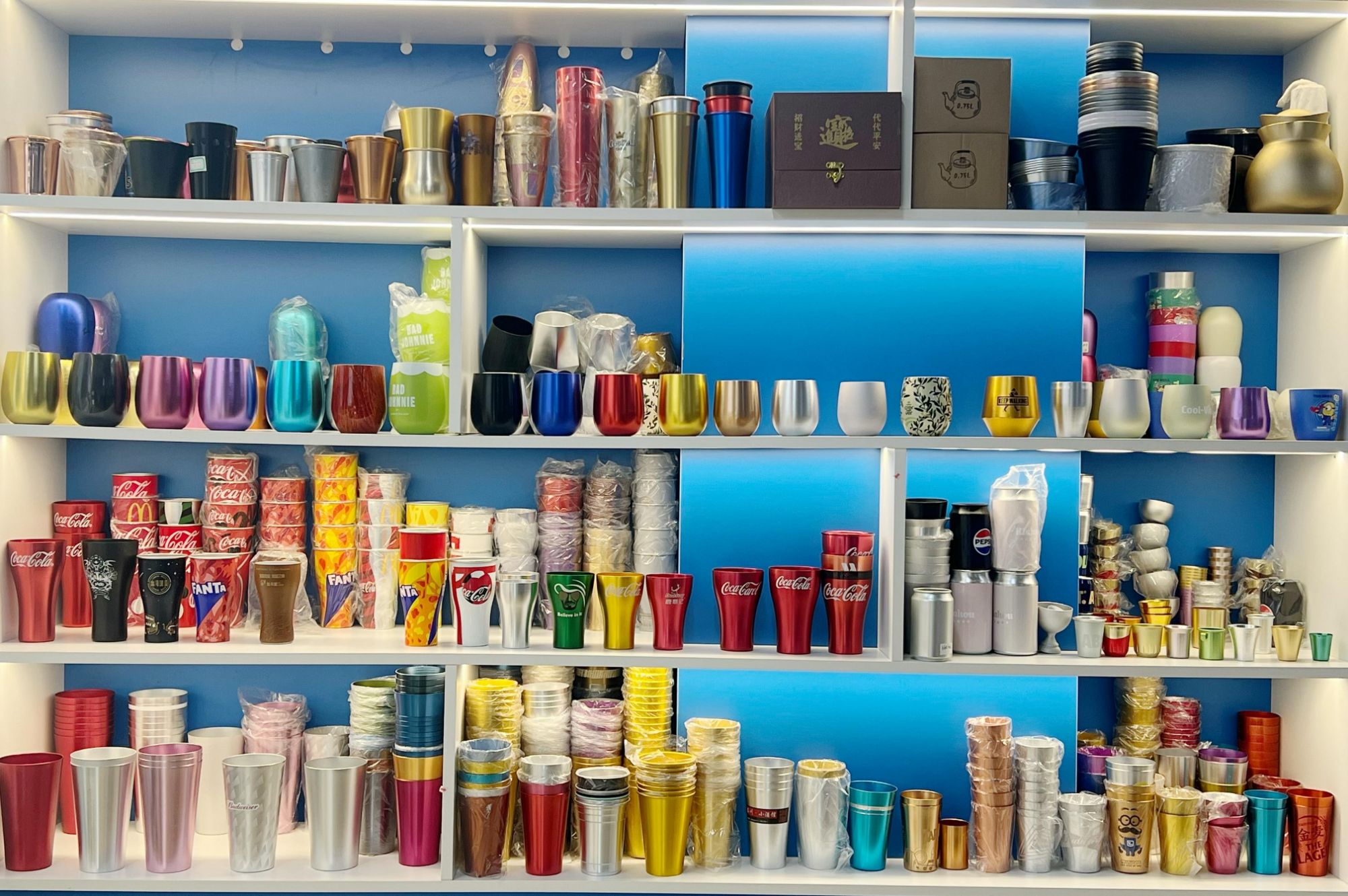
Anyone who has hired a contractor, booked a venue, or even taken a car to the shop knows the sinking feeling: the number on the initial quote and the final invoice rarely match. A thousand tiny variables—unexpected labor hours, material price jumps, hidden fees, or simply the fine print nobody reads until it's too late—conspire to inflate the bottom line. The quote is a snapshot of ideal conditions; the price is reality with its boots on.
This gap isn't always malicious, but it is structural. Providers price optimistically to win the job, then rely on change orders and add-ons to restore profit. Consumers, anchored to that first attractive figure, accept each small increase rather than walk away. It's a slow boil: an extra fifty here, a “mandatory” service fee there, and suddenly the final cost is fifteen percent higher. The quote wins your signature; the price tests your patience.
Smart buyers have learned to treat quotes as opening bids, not promises. They ask what's excluded, what triggers extra charges, and what the worst-case scenario looks like. They get guarantees in writing. Because in most transactions, the quoted price is a hook—and the real price is whatever the market, the moment, and the fine print decide it will be.
Vetting a Factory Without Booking a Flight
You don't need to fly across the world to get a real read on a factory. Start by asking for a live video walkthrough, but don't let them script it. Tell them to start at the loading dock, walk past raw material storage, then into the production floor and show you things like machine maintenance logs, worker safety gear, and how they handle rejected parts. If they hesitate or try to steer the camera away, that's a signal in itself.
Then cross-check what you saw with documents they wouldn't normally volunteer. Request a random day's production records, internal QC reports, and equipment calibration logs. If the numbers don't match the video or they suddenly go quiet, dig deeper. You can also have a sample shipped to an independent lab for testing and book a local third-party inspector for a surprise visit—usually far cheaper than a round-trip ticket.
Material Shortcuts That Lead to Cracks and Returns
Too many failures start with a material choice that looks smart on a spreadsheet but wrong on the shop floor. A resin gets swapped for a cheaper grade, regrind percentage climbs above what the part was designed for, or an extra scoop of filler makes the batch go further. That lowers cost per unit, but it also weakens the polymer chain entanglement and leaves residual stress trapped in the molding. The crack may not show up during assembly. Give it a few weeks of daily use, a cold morning, or a hard bump during shipping, and the part gives way. What looked like a sound product becomes a return with a fracture surface that tells the whole story.
Skipping proper moisture control and cure time is another shortcut that quietly invites cracks. Nylon, polycarbonate, and other engineering resins absorb water from the air. Rushing them into processing without adequate drying turns that moisture into steam, creating micro-voids and weak weld lines inside the part. These flaws act like tiny stress concentrators. Under repeated load or thermal cycling, they spread until a visible crack appears. Customers rarely blame the process; they blame the product. And every returned unit carries a hidden price: shipping, inspection, restocking, and the slow erosion of buyer confidence.
Why Shipping Terms Hit Harder Than Unit Price
Most buyers fixate on the sticker price of a component, but that number rarely reflects what actually lands in your warehouse. A supplier quoting $8.20 per unit with Ex Works terms can end up costing far more than a $9.50 quote delivered duty paid, once freight, port handling, customs brokerage, and inland cartage are stacked on top. The unit price is only the first mile of the total journey.
Shipping terms also determine who holds risk at the exact moment something goes wrong. Under FOB origin, the moment cargo leaves the seller’s dock, damage, delay, and loss become your problem. Under DAP or DDP, the supplier carries that burden further down the chain. When a container gets stuck at a transshipment hub or a pallet arrives crushed, the Incoterm decides whether you are chasing an insurance payout or simply waiting for a replacement to ship.
Cash flow feels the difference too. Freight collect terms often mean paying carriers upfront while the goods are still weeks away, whereas prepaid terms can bundle shipping into the supplier’s invoice on normal payment terms. Over a year of repeat orders, that timing gap alone can outweigh a few cents of apparent unit-price savings.
Curating a Catalog Wholesalers Won't Need to Discount
A catalog that holds its price starts long before the first product photo is taken. It begins with a deliberate narrowing of focus — choosing items that solve a specific wholesaler problem rather than filling pages with everything the factory can produce. When every SKU earns its place by answering a real demand, the urge to slash prices vanishes. Wholesalers recognize value when it’s obvious from the first glance, not when it’s buried under a dozen similar options.
The real art is in sequencing and pairing. A well-curated spread doesn’t just list products; it tells a story about usage, seasonality, or complementary buying. A kitchen gadget next to a compatible storage solution, a summer fabric next to the thread weight that suits it — these quiet connections remind buyers that the catalog is a curated system, not a clearance bin. When the whole feels more useful than its parts, price becomes a secondary concern.
Finally, restraint in presentation protects margins. Over-designed pages with loud calls to action signal desperation, while clean layouts with ample white space and honest product descriptions build quiet confidence. Wholesalers who trust a catalog’s edit are less likely to demand a discount, because they already see the markup as justified by the selection itself.
FAQ
Ask for samples from current production runs, not just custom-made showpieces. Verify their export license and check if they've shipped to your country before. Request a third-party inspection clause in the contract, even if you skip inspection on smaller orders.
Most factories set MOQs around 1,000 to 3,000 pieces for standard ceramic mugs, but glass can be lower. Some accept 500 units if you pay a per-piece surcharge. Always confirm whether the MOQ applies per design or per total order, because that can change your inventory planning.
Vitrified ceramic is safer than standard stoneware because it's less porous and survives dishwashers better. Borosilicate glass handles temperature shock better than soda-lime glass. Avoid thin-walled porcelain unless your market values aesthetics over durability.
After sample approval, expect 25 to 40 days for production. Ocean freight to the U.S. or Europe adds another 30 to 45 days. If you need air shipping, it cuts transit to about a week but often triples the per-unit cost. Build buffer time for quality checks and port delays.
Specify the acceptable tolerance in the purchase order, for example glaze shade variation within a Pantone range and zero handle movement under a 5 kg pull test. Have the factory do a pre-shipment random sampling and send you photos before they seal the cartons. Consistent raw material batches matter more than final sorting.
You need a commercial invoice, packing list, bill of lading, and certificate of origin. Many countries also require food-contact safety test reports like FDA, LFGB, or California Prop 65. If the mugs are ceramic, check for lead and cadmium limits. Keep the HS code aligned with the material type.
Trading companies help with communication and multi-product orders, but add 5 to 15 percent to unit costs. Direct factories offer better pricing and more control over production, but expect language and time zone friction. If your order spans multiple materials like ceramic, glass, and stainless steel, a trading company often saves you coordination time.
Include a non-disclosure and non-circumvention clause in the contract before sharing technical drawings. Register your design trademark in your home market and, if possible, in China. Use watermarked images for catalogs and keep the final mold ownership explicitly stated. If a factory offers your design to others later, enforce through legal or credit leverage rather than just asking.
Conclusion
Sourcing beer mugs from China used to feel predictable, but the landscape has fragmented. Shandong and Hebei still dominate volume glassware, while smaller workshops in Guangdong chase custom designs and Shanxi fights for niche ceramic work—treating them as interchangeable is a costly mistake. Quotes also deserve suspicion: the per-piece number rarely includes mold fees, reinforced packaging, or pre-shipment inspection, and a lowball offer often hides these as later add-ons. You can still vet a factory without flying, though; ask for a live video walkthrough of the annealing lehr, request batch samples from current production, and cross-check the factory's export license against third-party audit databases.
Material shortcuts are the quiet killer of repeat business—thin bases, rushed cooling, or recycled cullet can turn a handsome mug into a return request after the first dishwasher cycle. Shipping terms matter more than the unit price difference: a FOB quote that looks cheap can balloon once you add port fees, inland trucking, and duty, while DDP locks in the true landed cost early. Finally, build a catalog that wholesalers can sell at full margin: skip generic logo mugs and focus on textured glass, two-tone finishes, or stackable designs that don't invite price comparisons, so your buyers never feel forced to discount.
Contact Us
Contact Person: Milo
Email: [email protected]
Tel/WhatsApp: +86 18621923991
Website: https://www.dgbaide.com