

Chinese Puff Snack Food Production Line: From Raw Ingredients to Crispy Delights
2026-05-10
Ever wondered how those light, airy Chinese puff snacks get their addictive crunch? The journey from simple raw ingredients to perfectly crisp delights is a fascinating blend of art and science—and it all starts with the right machinery. At the heart of many high-output snack factories, you'll find MINGDE production lines, engineered to deliver consistent quality and unmatched efficiency. In this post, we’ll take you through each step of the process, uncovering the secrets behind these beloved treats and how modern technology transforms humble grains into snack-time sensations.
What Makes It Crunchy? The Raw Materials Behind the Magic
That satisfying crunch often starts with starches and fibers that trap air during cooking. Potatoes, for instance, contain tightly packed starch granules that expand and separate when fried, creating tiny pockets that shatter upon biting. Cornmeal and rice flour contribute a grittier snap because their harder, larger particles don't fully hydrate, leaving microscopic gaps after baking or frying. Even humble breadcrumbs work this way—their irregular shapes create countless points of contact with hot oil, browning fast and forming a brittle web.
Beyond plant-based backbones, the dance between proteins and water is just as crucial. Gluten networks in wheat-based coatings can either be your best friend or worst enemy. Develop them too much and you get a leathery chew; keep them relaxed and they'll set into a crisp shell around proteins like chicken or tofu. Meanwhile, egg whites and modified food starches form thin, glassy matrices that fracture cleanly. The real secret often lies in leaving things just dry enough—whether it's air-drying meat surfaces or dusting vegetables with cornstarch before cooking—to prevent steam from softening that carefully built crunch.
Then come the reinforcements: batters and breadings designed to amplify texture from the outside in. A splash of vodka in tempura batter evaporates faster than water, limiting gluten formation and leaving an ethereal crackle. Panko flakes introduce jagged, high-surface-area shards that stay crisp long after traditional crumbs would go soggy. And for an extra layer of staying power, food makers borrow tricks like pregelatinized starches that form a moisture-resistant crust. Each ingredient plays a role, but the magic really happens when they're combined with an understanding of how heat, time, and water content interact.
Blending Basics: More Than Just Mixing Flour and Water
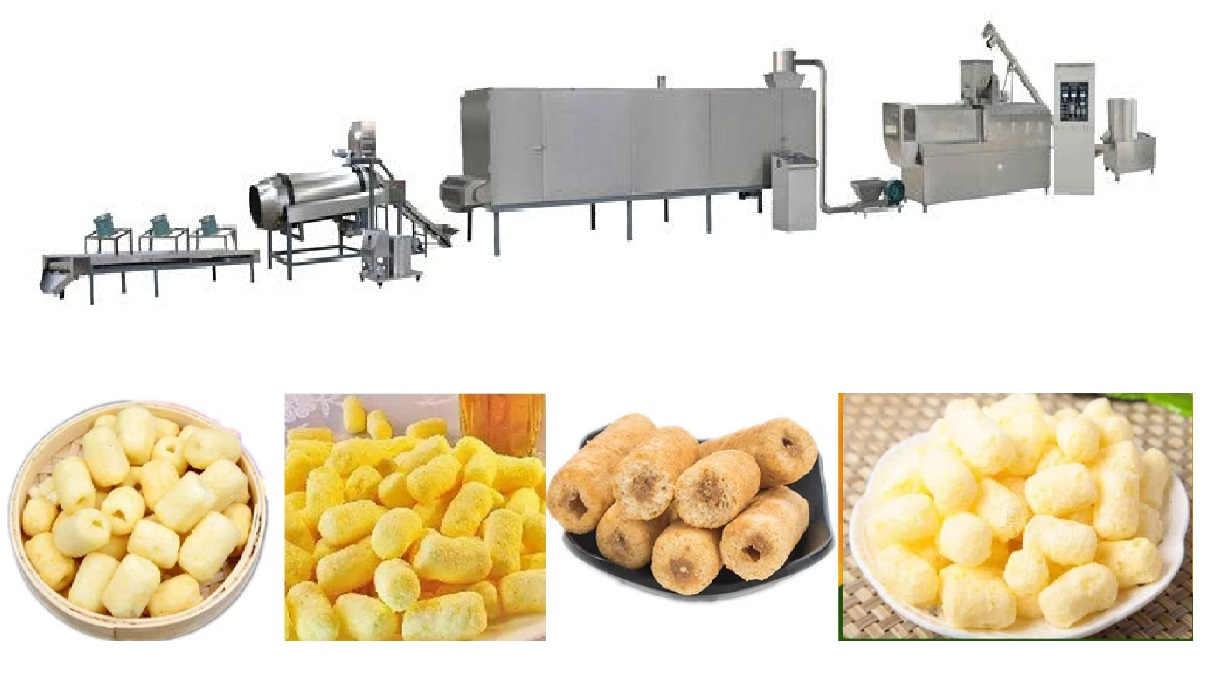
Blending is often mistaken for simply combining ingredients, but it’s a subtle craft that shapes texture and flavor from the first stir. The way flour meets water—whether drizzled slowly into a well or splashed in all at once—sets off a cascade of chemical and physical reactions. Hydration isn’t uniform at this stage; pockets of dry flour hide within the mass, and it’s the gentle coaxing with fingertips or a wooden spoon that gradually brings everything into a cohesive, shaggy dough. Overworking at this early point can awaken too much gluten, leading to toughness, while a restrained touch preserves tenderness.
Temperature and timing add another layer to the process. Cold water keeps the dough firm and delays gluten development, ideal for flaky pastries, whereas warm water encourages elasticity for breads that need to stretch and rise. But blending isn’t just about the liquid—fats like butter or oil, when introduced early, coat the flour proteins and limit gluten formation, creating a shorter, more crumbly structure. This is why bakers often cut butter into flour before adding water, ensuring that the fat remains in distinct pieces that will later melt and leave airy pockets.
Even the choice of blending tool can change the outcome. A food processor whizzes everything together in seconds, generating heat and risking overmixing if you’re not careful. Your hands, on the other hand, give direct feedback on moisture and consistency, allowing for intuitive adjustments. Mastering the basics means recognizing that flour and water aren’t inert; they respond to every action, and the difference between a mediocre result and something sublime often lies in those first, seemingly simple blends.
When Heat Meets Dough: The Science of Puffing
As dough enters a hot oven, its surface immediately begins to warm. Water within the dough turns to steam, and because steam occupies over a thousand times more volume than liquid water, it pushes against the elastic gluten network. This sudden expansion creates countless tiny pockets—the very bubbles that will later define a light, airy crumb.
Meanwhile, trapped gases from fermentation, primarily carbon dioxide, also expand with the rising temperature. The fats layered or incorporated into the dough melt, coating starch granules and gluten strands. This lubricates the structure, allowing it to stretch without tearing, while also delaying moisture escape. The interplay between steam pressure and fat melting determines the final height and flakiness.
Once the internal temperature climbs past about 140°F, starch granules begin to gelatinize, absorbing freed water and swelling. At around 180°F, gluten proteins denature and set, solidifying the airy architecture. The puffing is a race: steam and gas must inflate the matrix before proteins set and starches firm up. Timing is everything—too slow and the bubbles collapse; too fast and the crust locks before full expansion.
Flavor on Demand: How Seasonings Stick to Your Snacks
Ever wonder why the dust from your favorite cheese puffs clings so perfectly to every ridge and crevice? It’s not magic—it’s a carefully choreographed dance between moisture, oil, and surface texture. Freshly fried or baked snacks carry a thin layer of residual heat and oil that acts like a magnet for dry seasonings. The trick is applying the flavoring at just the right moment, when the surface is tacky enough to grip the powder without turning soggy.
Different snacks demand different adhesion tricks. A potato chip’s smooth, oily face might shrug off dry spices, so manufacturers often deploy a fine mist of oil or a starch-based tack agent beforehand. Puffed and extruded snacks, on the other hand, come out of the process with countless microscopic pores—prime real estate for seasonings to tuck into. Even the particle size of the seasoning matters; too coarse and it shakes off, too fine and it can clump or disappear into the background.
Next time you’re licking your fingers, think about the split-second engineering that made it happen. From electrostatic coating that guides particles like tiny magnets to tumbling drums that gently toss snacks with a curtain of flavor, the goal is always the same: maximum taste, minimum waste. It’s a messy, delicious science that leaves every seasoning-smeared finger as proof of its success.
Crunch Time: Cooling and Shaping for Texture
That moment when hot, pliable material meets cold air or a chilled surface is where texture is born. Whether you're tempering chocolate or setting a brittle, the speed and uniformity of cooling directly dictate the snap, the shatter, the crisp fracture that makes a treat satisfying. It's not just about temperature drop—it's about coaxing crystalline structures into place, aligning sugar or fat molecules just so, so they lock into a rigid, glassy state rather than a grainy, soft one.
Then comes shaping, often undervalued but just as pivotal. Molding, cutting, or even hand-pressing at the right window turns that fragile architecture into a defined, repeatable crunch. Miss that window by seconds, and you get crumble instead of clean breaks, a sandy bite instead of a sheer crack. Mastering this is less about precision instruments and more about intuition—learning to read the sheen, the tack, the whisper-thin flex that signals: now.
From Line to Lunchbox: Packaging That Preserves Freshness
The journey of a meal doesn’t end on the production line — it continues right into your lunchbox. In between, packaging plays a quiet but crucial role, guarding taste, texture, and nutrition. Advanced barrier films and airtight seals work behind the scenes to block oxygen and moisture, two major culprits behind spoilage. Whether it’s a crisp salad or a warm grain bowl, the right packaging ensures that the first bite at noon is just as vibrant as the moment it was packed.
Temperature control is another silent hero. Insulated materials and clever venting help maintain the ideal climate, preventing sogginess in sandwiches or wilting in greens. This means no more midday disappointments — just a reliably fresh meal that fuels the rest of your day. The engineering may be invisible, but the difference is unmistakable.
Beyond function, today’s lunch packaging is also mindful of convenience and sustainability. Resealable pouches, lightweight but sturdy containers, and plant-based plastics are changing the way we carry food. They make it easier to enjoy homemade freshness on the go, without adding to the planet’s burden. From production to lunchtime, the package is an unsung partner in every satisfying bite.
FAQ
The primary ingredients typically include corn grits, rice flour, wheat flour, or potato starch. These starchy bases are often combined with water, vegetable oil, salt, and minor additives like leavening agents or emulsifiers to achieve the desired expansion and texture.
Extrusion cooks the raw mix under high temperature and pressure, gelatinizing the starches. When the dough exits the die, the sudden pressure drop causes rapid water vaporization, creating the familiar light, airy, and crispy structure that defines puff snacks.
It begins with mixing dry ingredients and water, followed by preconditioning to hydrate evenly. The mixture then enters the extruder for cooking and shaping. After extrusion, the expanded collets are cut, dried to reduce moisture, flavored with oil-based seasonings, and finally cooled and packaged.
Moisture content directly influences expansion and final crispiness. Too much moisture can lead to dense, tough snacks, while too little may prevent proper expansion. Precise drying after extrusion ensures a uniform, low moisture level that delivers a satisfying, long-lasting crunch.
A single line can be configured to make a wide variety, including cheese balls, corn puffs, potato rings, crispy sticks, and filled pillow snacks. By changing dies, cutters, and seasoning drums, manufacturers can switch between shapes, sizes, and flavors to meet market demand.
They use automated monitoring of temperature, pressure, and moisture at each stage. Stainless steel construction, easy-to-clean designs, and metal detectors prevent contamination. Real-time sampling and feedback loops help maintain uniformity in size, color, and texture across batches.
Twin-screw extruders offer better mixing, more precise temperature control, and the ability to handle a wider range of recipes, including high-fiber or high-protein blends. They also provide consistent product density and shape, with less shear damage to sensitive ingredients.
After drying, the snacks pass into a rotating flavoring drum where oil is sprayed lightly to help seasonings adhere. Dry powder flavors like cheese, barbecue, or spicy blends are then dusted evenly onto the surface, ensuring each piece gets a uniform coating without clumping.
Conclusion
There's a quiet choreography behind every bite of a Chinese puff snack, starting with a thoughtful blend of grains, starches, and a dash of leavening that sets the stage for that signature crunch. It's not just about combining flour and water; precise hydration and gentle mixing coax the dough into a form that will later explode into airy layers when heat is applied. The real magic happens inside the extruder or puffing chamber, where sudden temperature and pressure shifts turn humble dough into a delicate, crisp latticework.
Once puffed, the snack is still raw in flavor, so a carefully calibrated mist of oil and seasonings is applied while the surface is receptive, ensuring every ridge clings with zesty or savory notes. Then comes a cooling and shaping phase that locks in the texture before the pieces are sent to packaging, where airtight seals and protective films guard against humidity and stale air. From the initial mix to the final sealed pouch, each step is tuned to deliver a fresh, snappy bite that travels from the production line straight into lunchboxes around the world.
Contact Us
Contact Person: LILY SUN
Email: [email protected]
Tel/WhatsApp: 0086-13969103791
Website: https://www.snackfoodmachinery.com/