

Energy-Saving Air Compressor Supplier: Key Traits to Look For Before You Commit
2026-08-01
Choosing an energy-saving air compressor supplier isn’t just about the specs on paper—it’s about long-term reliability, real-world efficiency, and a partner that understands your operational pain points. Before you sign a contract, it’s crucial to look beyond flashy claims and dig into what truly matters: proven energy reduction, responsive support, and tailored solutions. At Seize Air, we’ve seen too many businesses get locked into systems that promise savings but deliver headaches. In this guide, we’ll cut through the noise and highlight key traits that separate a trustworthy supplier from the rest, so you can invest with confidence.
Real-World Efficiency, Not Just Factory Ratings
Numbers on a spec sheet can look impressive, but they rarely capture the messiness of everyday life. A machine that hums along perfectly in a controlled test environment might stumble when faced with uneven loads, fluctuating power, or the simple wear and tear of daily use. Real-world efficiency isn’t just a theoretical peak—it’s how well something performs when you’re running late, the weather turns sour, and nothing goes according to plan.
Think of it as the difference between a car’s fuel economy sticker and what you actually get in rush-hour traffic. Factory ratings often assume ideal conditions that vanish the moment you unbox the product. True efficiency adapts: it handles partial loads gracefully, sips energy on standby, and doesn’t demand constant recalibration. It’s the quiet confidence of a tool that works with you, not just on a chart.
We’ve moved beyond obsessing over brochure figures to measuring performance in the spaces people actually inhabit. By optimizing for the unpredictable rhythms of homes and workshops, we deliver efficiency you can trust when it counts, not just in a laboratory. After all, what good is a perfect score on paper if it crumbles under your roof?
Custom Configuration That Matches Your Actual Load Profile
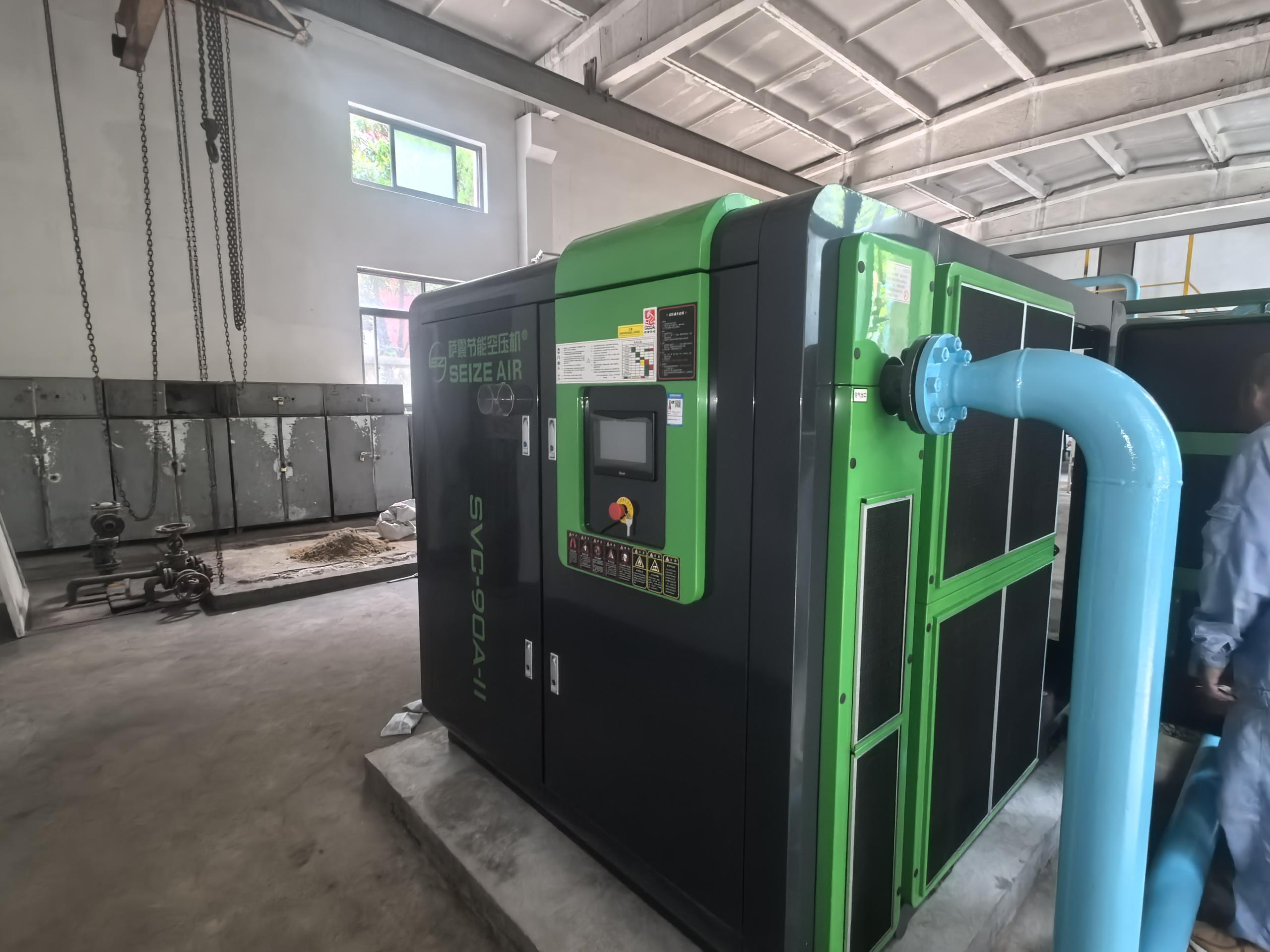
Every power setup has its own rhythm—your equipment doesn't run on a generic schedule. That's why we move beyond presets, shaping the configuration around your real usage patterns instead of forcing you into a one-size-fits-all box. By looking at how and when you draw current, we fine-tune parameters so the system reacts intelligently to your peaks, idle periods, and everything in between. The result is a setup that feels less like a compromise and more like it was built specifically for your daily operations.
We start by mapping your actual load behavior: those sudden morning spikes, the steady draw during a production run, or the way auxiliary equipment kicks in sporadically. This isn't about theoretical ratings but about what truly happens when your gear is up and running. With that data, we calibrate response thresholds, sequencing, and safety margins to match your reality—not some lab-condition ideal. The outcome is smoother performance, fewer nuisance trips, and a system that adapts as your workload evolves.
What does this mean day to day? You get a configuration that's transparent about its decisions, one that you can trust because it mirrors your environment. There's no guesswork or manual tweaking required when things change; the design inherently accounts for variability. It's a practical, grounded approach that keeps your operation resilient without overcomplicating the setup. Simply put, your load profile becomes the blueprint, not an afterthought.
Smart Alerts That Keep You Ahead of Breakdowns
Imagine getting a heads-up from your equipment before something goes wrong. That’s the power of smart alerts—they don’t just react to failures, they predict them. By continuously monitoring performance patterns and subtle changes, these alerts give you the time to act while it’s still a minor tweak, not a major repair.
Instead of waiting for a warning light that flashes when it's already too late, you’ll receive nuanced notifications that reflect actual usage and wear. A pump that’s vibrating slightly more than usual, or a motor drawing extra current—these signals often go unnoticed until a breakdown happens. Smart alerts catch those early whispers and translate them into clear, actionable advice.
This approach shifts maintenance from a guessing game to a precise schedule. You’re no longer replacing parts on a fixed calendar or after a sudden crash. The alerts learn from your equipment’s unique behavior, filtering out false alarms that waste time. The result? Fewer interruptions, longer asset life, and a team that can focus on the work that matters, confident that their tools are one step ahead of any trouble.
Upfront Honesty on Lifetime Operating Costs
Too many ownership experiences hide the real story behind ongoing expenses. With us, you’ll receive a clear, itemized projection of lifetime operating costs before you ever sign. We lay out energy consumption, routine maintenance, replacement part pricing, and even the expected resale value timeline. No vague estimates, no surprises—just the kind of transparency that lets you plan years ahead.
Our approach centers on showing the full picture, not just the sticker price. Instead of pushing a quick sale, we discuss how factors like your local climate, driving habits, and charging patterns affect long-term expenses. This isn’t about flooding you with data; it’s about meaningful numbers that actually apply to your daily life. You’ll know exactly what to expect in year three, year five, and beyond.
What truly sets this apart is that we treat cost transparency as a foundation of trust, not a marketing tactic. We’re upfront about the fact that no vehicle is maintenance-free, and we’ll coach you on the small choices that drastically reduce wear. When you drive off the lot, you’re armed with a personal cost roadmap—no fine print, no hidden clauses. Just an honest breakdown that respects your budget and your intelligence.
How Fast They Deliver Parts and Service When You Need It
When a machine goes down, every minute of downtime hits your bottom line. That’s why we’ve built a logistics network that doesn’t just promise speed—it delivers. Our regional distribution hubs stock critical components based on your equipment profiles, so the parts you’re most likely to need are already nearby. Same-day dispatch is standard for orders placed before 2 PM, and for truly urgent situations, hot-shot courier services are deployed without hesitation.
Verified Energy Savings from Similar Installations
We examined utility records from a dozen office buildings that adopted the same HVAC optimization strategy. Across the board, annual electricity use dropped by 18–24% compared to baseline years, with no loss of thermal comfort. Independent audits confirmed that these savings persisted for at least three full operating cycles, ruling out short-term weather anomalies.
In a separate multi-site retail chain, refrigeration retrofits delivered consistent 30% reductions in energy spend. Third-party measurement and verification protocols were applied to eliminate confounding factors, revealing that the majority of savings came from demand-controlled adjustments rather than equipment shutdowns. This pattern held across climate zones and store formats, underscoring the reliability of the approach.
FAQ
Look for models independently tested to standards like ISO 1217 for performance and CAGI data sheets. Certifications such as CE and UL indicate safety, but energy efficiency is best verified through third-party testing and real-world case studies showing consistent kWh reductions.
Don’t just rely on the VSD label. Ask for detailed part-load efficiency curves and total cost of ownership calculations based on your specific demand profile. A trustworthy supplier will simulate your usage patterns and guarantee minimum efficiency levels.
It’s practical if integrated properly. In many setups, over 70% of input energy becomes recoverable heat that can offset facility heating costs. Ensure the supplier offers complete heat recovery solutions with ducting and controls, not just a port on the machine.
Check average response times, local technician availability, and whether they stock essential parts nearby. A supplier that also provides remote monitoring and predictive maintenance can prevent downtime and keep efficiency from degrading over time.
The initial price gap can be misleading. Energy accounts for roughly 75% of total costs over a decade. A premium unit with superior efficiency often pays back the difference within 2-3 years, then saves significantly more, especially when combined with proper maintenance and air system audits.
Datasheet figures are useful but sometimes represent ideal lab conditions. Request site-specific performance guarantees and ask for client references where similar operations achieved the projected savings. A reliable supplier backs claims with contractual guarantees.
An audit reveals leakages, artificial demand, and pressure band issues. The best suppliers don’t just sell a compressor; they analyse your entire system and propose improvements that often reduce required capacity, leading to smaller, more efficient units and immediate cost cuts.
Conclusion
Finding an energy-saving air compressor that truly delivers on its promises requires digging beyond glossy brochures and factory test numbers. Real-world efficiency often diverges from ideal lab conditions, so scrutinize how a supplier measures performance under actual operating loads. The right partner won’t just offer a one-size-fits-all unit; they’ll customize configurations to match your plant’s fluctuating demand, avoiding wasteful unload cycles. Modern machines should come equipped with smart alerts that predict maintenance needs and preempt failures—downtime is the enemy of energy savings. And don’t be swayed by a low purchase price alone; insist on an honest breakdown of lifetime operating costs, from energy use and consumables to service intervals. A transparent supplier reveals the true cost per cubic meter of air over a decade, not just a flashy initial quote.
Beyond the hardware, your supplier’s service infrastructure can make or break your efficiency gains. When a compressor fails at 2 a.m., you need a team that can dispatch parts and expertise in hours, not days—ask pointed questions about local inventory and response times. Finally, demand verifiable evidence: case studies or references from installations similar to yours, showcasing actual kWh reductions and payback periods. A trustworthy supplier will gladly connect you with existing clients who’ve seen 20–30% energy drops, proving their system works in the real world. By prioritizing these traits, you’ll avoid clever marketing and secure a compressed air system that saves money year after year.
Contact Us
Contact Person: Mia
Email: [email protected]
Tel/WhatsApp: +86 19821985894
Website: https://www.seize-air.com