

Flat and Rectangular Wire Production: Optimizing China's Reduction Mill Efficiency
2026-02-14
In the rapidly evolving landscape of China's metalworking industry, the production of flat and rectangular wire stands as a critical yet often overlooked component. As demands for precision and efficiency surge, the role of advanced reduction mills becomes paramount. This blog explores how innovative approaches are revolutionizing this niche, with a focus on GRM's cutting-edge solutions. Join us as we unravel the strategies that are not only optimizing mill performance but also setting new benchmarks for quality and sustainability. Discover why industry leaders are turning to these advancements to stay ahead in a competitive market.
Flat Wire Manufacturing: Key Processes in Chinese Steel Mills
In Chinese steel mills, flat wire manufacturing begins with the rigorous selection of raw materials, which are typically high-quality steel billets sourced from both domestic and international suppliers. The process kicks off with precise slitting, where large coils of steel are cut into narrower strips based on the desired wire width. This initial stage is crucial, as it sets the foundation for the wire's dimensions and consistency, with advanced machinery ensuring minimal waste and tight tolerances that are essential for applications in automotive parts, construction, and electrical components.
Following the slitting phase, the strips undergo a series of cold rolling operations, where they are passed through multiple sets of rollers to achieve the specified thickness and flatness. Chinese mills often emphasize efficiency and precision here, using state-of-the-art equipment to enhance surface finish and mechanical properties without compromising on speed. Quality control measures are integrated throughout, such as inline inspections for defects and real-time adjustments to maintain uniformity, making this step a key differentiator in producing wire that meets both local demands and global standards.
The final stages involve annealing and finishing processes, where the flat wire is heat-treated to relieve internal stresses and improve ductility, followed by surface treatments like coating or galvanizing for corrosion resistance. In many Chinese facilities, these processes are optimized for sustainability, with innovations in energy recovery and waste reduction that distinguish their output. By focusing on these core steps, manufacturers not only ensure durability but also support a diverse range of industries, showcasing the adaptability and reliability that define the sector.
Rectangular Wire Production: Precision Techniques for Modern Industry
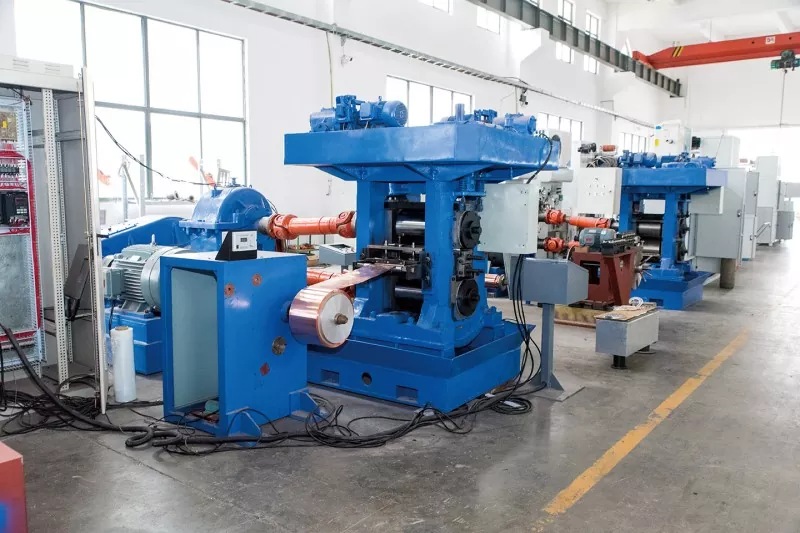
In today's manufacturing landscape, rectangular wire production has evolved from a basic metalworking task to a high-tech process that demands absolute accuracy and customization. Unlike traditional round wires, rectangular variants require specialized techniques to maintain consistent cross-sections, sharp corners, and uniform thickness across long runs. This shift in production methods is driven by industries like automotive, electronics, and construction, where precise wire shapes are crucial for applications ranging from efficient electrical conductors to sturdy structural components. As a result, manufacturers are increasingly adopting advanced machinery, such as precision rolling mills and computer-controlled drawing systems, to achieve tolerances that were once considered unattainable. The focus is no longer just on producing wire but on crafting it to exact specifications that enhance performance, reduce waste, and support innovation in end-products. This emphasis on detail has transformed rectangular wire from a commodity into a key enabler of modern engineering solutions.
One of the most compelling aspects of contemporary rectangular wire production is the integration of real-time monitoring and quality control systems. By leveraging sensors and data analytics, producers can now detect subtle deformations or inconsistencies during the rolling or drawing stages, allowing for immediate adjustments. This proactive approach not only minimizes defects but also optimizes material usage, leading to cost savings and faster turnaround times. Moreover, the adoption of environmentally friendly practices, such as using recycled materials or energy-efficient processes, adds a sustainability angle that sets leading manufacturers apart. In an era where efficiency is paramount, these precision techniques ensure that every meter of wire meets stringent standards without compromising on speed or scalability. Ultimately, this blend of technology and craftsmanship results in products that are reliable, versatile, and tailored to the complex demands of today's industrial applications.
Looking ahead, the future of rectangular wire production is poised to embrace even more sophisticated methods, including additive manufacturing and AI-driven optimization. These innovations promise to further refine dimensions and material properties, opening up new possibilities for custom shapes and alloys. As industries continue to push the boundaries of what's possible, the role of precision in wire manufacturing will only grow in importance, making it a critical component in the advancement of modern technology and infrastructure.
Boosting Efficiency: Upgrading Reduction Mill Operations
In the competitive landscape of modern manufacturing, upgrading reduction mill operations has become a pivotal strategy for companies aiming to enhance productivity and reduce operational costs. By integrating advanced technologies such as automated control systems and real-time monitoring tools, mills can achieve more precise material handling and energy management. This not only improves throughput but also minimizes downtime and waste, leading to significant efficiency gains that directly impact the bottom line.
A key aspect of these upgrades involves retrofitting older mills with state-of-the-art components like high-performance rolls and advanced lubrication systems. Such enhancements not only extend equipment lifespan but also enhance processing accuracy, ensuring consistent output quality. Additionally, adopting predictive maintenance strategies—leveraging data analytics and IoT sensors—helps preempt potential failures, preventing costly disruptions and maintaining a steady production flow for sustained operational excellence.
To truly stand out, forward-thinking manufacturers are now exploring innovative approaches like integrating AI-driven optimization algorithms that adapt in real-time to varying material properties and demand fluctuations. By moving beyond conventional upgrades to embrace such smart solutions, reduction mills can unlock unprecedented levels of efficiency, transforming operations into agile, responsive systems that thrive in dynamic market conditions.
Innovative Approaches to Wire Quality and Consistency
In today's competitive manufacturing landscape, ensuring wire quality and consistency has moved beyond basic testing to embrace cutting-edge technologies that predict and prevent defects before they occur. One such approach is the integration of real-time monitoring systems using IoT sensors embedded throughout the production line, which continuously track parameters like tensile strength, diameter, and surface finish. This data is then fed into machine learning algorithms that analyze patterns, identify potential weak points, and automatically adjust processes to maintain uniformity. For instance, in high-precision applications like aerospace or medical devices, these innovations reduce scrap rates by up to 30% while enhancing reliability, as subtle variations that might escape human inspection are caught instantly.
Another forward-thinking strategy involves the adoption of additive manufacturing techniques for wire production, such as direct metal laser sintering, which builds wires layer-by-layer with exceptional control over material properties. This method allows for customization in alloys and geometries previously unattainable with traditional drawing methods, leading to wires with consistent internal structures free from common impurities. By combining this with advanced non-destructive testing, like ultrasonic or X-ray imaging, manufacturers can verify integrity throughout the entire length, ensuring every batch meets stringent standards without compromising speed. These innovations not only boost efficiency but also open doors to new applications in fields like renewable energy, where durable, high-conductivity wires are crucial for performance.
To truly stand out, companies are also leveraging blockchain technology to create transparent, tamper-proof records of wire quality data across the supply chain. From raw material sourcing to final delivery, each step is logged, providing stakeholders with verifiable proof of consistency and compliance. This builds trust and reduces disputes, especially in industries where certifications are paramount. By weaving together these approaches—predictive analytics, additive methods, and digital traceability—manufacturers can deliver wires that not only meet but exceed expectations, driving innovation in sectors from electronics to infrastructure.
Energy Consumption and Environmental Considerations in Mills
Mills are often intensive energy consumers, relying heavily on electricity and fuel for processes like grinding, heating, and transportation. This high energy demand not only escalates operational costs but also contributes significantly to carbon emissions, adding to the mill's environmental footprint. In many regions, energy accounts for a substantial portion of production expenses, making efficiency a dual focus for cost reduction and sustainability.
Environmental considerations in mills extend beyond just energy use to encompass waste management, water usage, and air quality. These facilities frequently generate by-products such as dust or sludge, which can impact local ecosystems if not properly handled. Adopting cleaner technologies and recycling materials helps mitigate these effects, pushing mills toward greener practices that align with broader environmental goals.
To stand out, mills are increasingly integrating renewable energy sources like solar or biomass, alongside advanced monitoring systems that optimize energy flow. This not only cuts down on traditional energy reliance but also enhances operational agility, positioning these mills as leaders in sustainable manufacturing without compromising productivity.
Future Trends: Smart Technologies in Wire Production
The wire production industry is rapidly embracing smart technologies to enhance efficiency and precision, marking a significant shift from traditional methods. Innovations like IoT-enabled sensors and AI-driven analytics are being integrated into manufacturing processes to monitor real-time data on wire quality, thickness, and tensile strength. This allows for proactive maintenance and reduces waste, leading to more sustainable operations that cater to the growing demand for high-performance materials in applications such as automotive and aerospace sectors.
Automation and robotics are transforming production lines, enabling faster throughput with minimal human intervention. Advanced machines equipped with vision systems can detect defects at microscopic levels, ensuring consistent output and reducing the need for manual inspections. As customization becomes more prevalent, these smart systems facilitate quick adjustments for different wire types, supporting flexible manufacturing that meets specific client requirements without compromising on speed or accuracy.
Looking ahead, the adoption of blockchain for supply chain transparency and edge computing for local data processing is set to redefine wire production. These technologies not only improve traceability and security but also optimize resource management by predicting maintenance needs and energy consumption. By leveraging such innovations, manufacturers can stay competitive in a global market that increasingly values smart, connected solutions, paving the way for a more intelligent and responsive industry.
FAQ
Key challenges include minimizing energy consumption, reducing material waste, managing heat distribution during rolling, and ensuring precise dimensional tolerances to meet quality standards.
China has advanced significantly with high-speed mills and automation, but gaps remain in areas like predictive maintenance and integration of AI for real-time adjustments compared to leaders in Europe and Japan.
Implementing advanced cooling systems, optimizing rolling schedules through data analytics, and using high-precision sensors for continuous monitoring can boost throughput and reduce defects.
It supports critical sectors like electronics, automotive, and construction, where these wire shapes are essential for components such as connectors, transformers, and structural reinforcements.
Choosing alloys with better formability and thermal properties can reduce rolling force, lower wear on equipment, and enable faster processing speeds without compromising strength.
Adopting condition-based monitoring, scheduling preventive maintenance during low-demand periods, and training staff on rapid troubleshooting techniques can significantly cut unplanned stoppages.
Conclusion
The optimization of reduction mill efficiency in China's steel industry hinges on the advanced manufacturing of flat and rectangular wire, which are vital components for modern applications. Flat wire production in Chinese steel mills involves key processes like precision rolling and surface finishing, essential for meeting stringent industrial standards. Simultaneously, rectangular wire production leverages high-precision techniques to ensure dimensional accuracy and consistency, driving innovations in quality control. By integrating these methods, mills enhance their operational workflows, reducing waste and improving output for a competitive edge in the global market, as highlighted in recent industry analyses.
To boost efficiency, upgrading reduction mill operations with innovative approaches focuses on energy consumption and environmental considerations, minimizing carbon footprints while maintaining productivity. Future trends point toward smart technologies, such as automation and data analytics, which promise to revolutionize wire production by enabling real-time monitoring and adaptive processes. This synergy not only elevates quality and consistency but also positions China's mills at the forefront of sustainable and intelligent manufacturing, setting benchmarks for the evolving industrial landscape.
Contact Us
Contact Person: Rayna
Email: [email protected]
Tel/WhatsApp: 86 -173 1474 6343
Website: https://www.grmrollingmill.com/