

Garment RFID Label Innovations: Top Strategies for Seamless Apparel Tracking and Inventory Control
2026-05-19
In the fast-paced world of apparel retail, staying ahead means embracing innovations that streamline operations and delight customers. Enter garment RFID labels—tiny yet powerful tools revolutionizing inventory tracking and supply chain visibility. From real-time stock counts to loss prevention, RFID technology is reshaping how brands manage their merchandise. Yet, with so many options, what truly drives seamless apparel tracking? At OSRFID, we believe the answer lies in smart label design, data integration, and future-ready solutions. Dive into our top strategies that not only tackle inventory chaos but also unlock new levels of efficiency and customer satisfaction. Whether you're a retailer battling shrinkage or a brand craving agility, these insights will spark your next move toward apparel intelligence.
Real-Time Visibility Into Every Garment’s Journey
Imagine being able to track each piece of clothing from the moment it’s woven into fabric all the way to the customer’s doorstep. This kind of real-time visibility transforms how brands manage their supply chains, giving them up-to-the-minute updates on every garment’s location and status. No more guesswork or delayed reports – just precise, actionable data.
With modern tracking systems, every garment is assigned a unique digital identity that follows it through cutting, sewing, shipping, and stocking. Warehouse managers can see which items are in transit, which are being prepared for retail floors, and which have just been sold. This level of detail helps prevent overproduction and ensures popular items are always in stock.
Real-time insight also means faster reaction to disruptions. If a shipment is delayed, stores can be alerted instantly so they can adjust displays or reroute inventory. Ultimately, customers benefit from accurate availability information and shorter delivery times, while brands reduce waste and improve margins.
Automated Low-Stock Alerts That Prevent Lost Sales
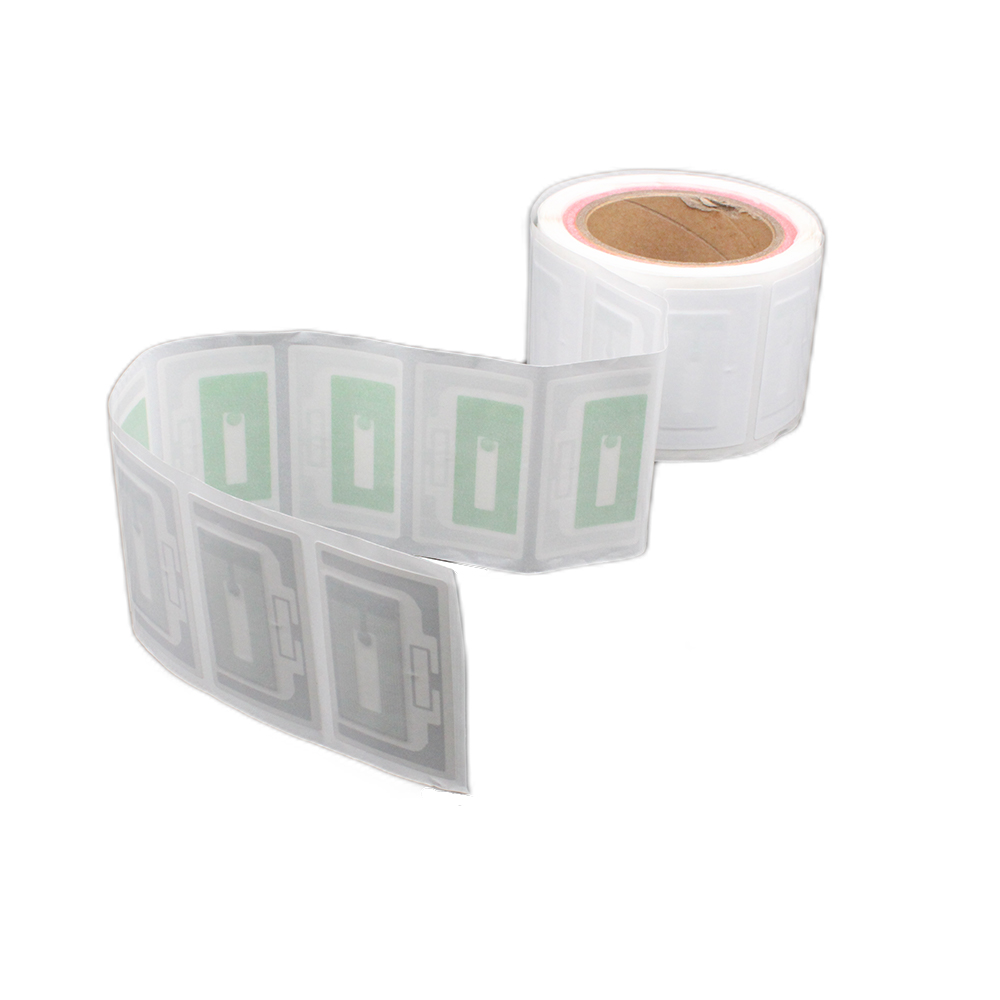
Running out of a popular item at the wrong moment can quietly drain your revenue. Automated low-stock alerts step in as a silent safeguard, nudging you or your team before the shelf goes empty. Instead of discovering a problem when it’s already cost you sales, you get a heads-up that keeps the buying experience seamless.
These alerts work in the background, scanning inventory levels around the clock. When a product dips below a set threshold, the system triggers a notification via email, SMS, or a dashboard message. This means no more manual counts or relying on someone to notice dwindling stock—the alert simply arrives, letting you act fast.
Beyond avoiding missed sales, automated alerts also protect your brand’s reputation. Customers who find what they need are more likely to return, and you won’t have to offer apologies or rain checks. It’s a small tool that delivers a big impact, turning inventory management from a reactive chore into a proactive advantage.
Smarter Loss Prevention Without Manual Audits
Traditional loss prevention has long depended on manual audits—teams poring over receipts, reconciling inventory logs, and chasing discrepancies by hand. This approach is not only painfully slow but riddled with human error. By shifting to intelligent automation, businesses can catch anomalies in real time, analyzing transaction patterns and stock movements the moment they deviate from the norm, without a single person needing to sift through spreadsheets.
Modern systems quietly learn what 'normal' looks like for each store, department, or even cashier, and flag exceptions instantly—like a sudden spike in voids or a mismatch between scanned items and weight sensors. Instead of relying on periodic checks that barely scratch the surface, continuous monitoring builds a detailed, evolving picture of risk, surfacing subtle issues that manual reviews would almost certainly miss.
The real advantage is precision: automated alerts cut through the noise, helping teams focus on genuine threats instead of chasing false positives. Freed from repetitive audit tasks, staff can redirect their energy toward coaching, process improvements, and strategic decisions—turning loss prevention from a reactive chore into a proactive, insight-driven function that protects margins without burning out employees.
Faster Omnichannel Fulfillment From Store to Door
Turning physical stores into agile distribution hubs reshapes last-mile logistics. Rather than shipping from a distant warehouse, inventory located just a few blocks away gets picked, packed, and dispatched in hours. This proximity slashes transit times and enables delivery windows that were once impossible—think 60-minute rush options or scheduled drops that fit a customer's real-time availability. Store teams use handheld devices to view orders instantly, while routing algorithms merge new requests with couriers already on the road, cutting down idle runs.
The difference really shows in how inventory moves across channels. A jacket ordered online might now come from the store around the corner where it sat on a rack this morning, or from another branch if the local size is sold out—all decided silently in the background. That kind of fluid allocation keeps stock turning and saves sales that static e‑commerce setups would lose. It also removes the artificial wall between digital carts and physical shelves, so what a customer sees online genuinely reflects what they can get today, not just what’s sitting in a fulfillment center three states away.
Elevating the Fitting Room Into a Personal Stylist
Walking into a fitting room today can feel like stepping into a boutique curated just for you, where the mirror knows your preferences and the rack suggests pieces that match your style. Smart technology has redefined the experience, turning once-utilitarian spaces into interactive hubs. Touchscreens invite you to browse alternative sizes or colors without leaving the room, while RFID tags instantly recognize the garments you bring in, triggering personalized recommendations on nearby displays. It’s no longer about simply trying on clothes; it’s about exploring a tailored journey that feels intuitive and attentive.
Lighting plays a crucial role in this transformation, with adjustable settings that let you preview outfits in daylight, evening glow, or office brightness. This control goes beyond vanity—it helps you make confident choices. Some rooms go further by integrating voice-activated assistants that listen to your feedback and adjust suggestions accordingly. You might say you’re looking for something warmer, and the system responds with a curated selection of jackets or layering options, all while keeping your past preferences in mind. The room becomes a quiet collaborator, never pushy but always present.
Beyond the tech, the feel of the space matters. Soft seating, warm textures, and considered acoustics make the fitting room a place where you want to linger. It’s designed to reduce the stress of decision-making by offering gentle guidance rather than overwhelming choices. This shift doesn’t just elevate the shopping trip; it builds a bridge between the brand and the person, turning a transactional moment into a memorable encounter. The result is a seamless blend of style discovery and personal attention that leaves you feeling understood, not just outfitted.
Turning Inventory Data Into Profitable Buying Decisions
Every unsold item sitting on a shelf represents capital that could be working harder elsewhere. The real challenge isn’t just tracking what you have, but interpreting the patterns hidden in your stock levels—which products consistently sell out in days versus those that gather dust. By shifting focus from reactive replenishment to predictive analysis, you start to see demand curves rather than static numbers. This means pairing historical sales velocity with external factors like seasonality, supplier lead times, and even subtle shifts in customer preferences that spreadsheets often miss.
The most profitable buying decisions rarely come from staring at spreadsheets alone. They emerge when you connect inventory performance to margin insights—highlighting not just what sells, but what contributes most to your bottom line after accounting for holding costs and niche appeal. Overlooked slow-movers can become reliable profit centers with the right promotion, while rapid sellers may require renegotiated supplier terms to maximize returns. The true art lies in turning this constant stream of data into a rhythm of small, confident bets on reorders, bundles, or timely phase-outs that collectively sharpen your competitive edge.
FAQ
One big step forward is the shift toward ultra-thin, flexible inlays that can be sewn directly into seams or woven into fabric care labels. Brands are now testing labels that survive repeated stretching and folding without losing signal. Some even incorporate moisture-resistant adhesives so they stay readable in humid storage environments or after customers try on garments.
It's not just about sticking a tag on a shirt. New handheld and overhead RFID readers can now scan entire racks in seconds, picking up items stacked chaotically or hidden in backrooms. The software behind the scenes reconciles data instantly, flagging mismatches. Some systems even use zone-based reading to pinpoint exactly which shelf or rack an item is on, slashing the time staff spend hunting for misplaced goods.
Absolutely. Current washable RFID tags are encased in rugged epoxy or coated with flexible polymers that mimic fabric. They're tested for hundreds of laundry cycles, spin cycles, and even dry cleaning solvents. Some tags are so pliable you'd never feel them inside a collar or hem. The key is matching the tag substrate to the garment's life cycle—denim gets a tougher build than a delicate blouse.
Many brands embed the tag into woven labels or hang tags that look identical to standard ones. Others hide them under care instruction patches. The real seamless trick is integrating the readers into store architecture—in fitting room mirrors, under floor mats, or in doorway frames—so inventory updates happen passively as customers move around, no manual scanning required.
Smart fitting rooms are emerging where RFID triggers screens to suggest matching accessories or sizes nearby, all before a customer steps out. On the operations side, heatmaps from RFID movement data show which items get picked up but never bought, hinting at fit or style issues. Some brands even tie return patterns to specific tag data to catch quality problems early, sometimes before a single customer complains.
The barrier has dropped considerably. You can now buy decent handheld readers for a few hundred dollars and use cloud-based inventory platforms that charge per scan. Some cooperatives share the cost among multiple shops in a district. Even simpler, pre-tagged hangtags from suppliers let small brands jump straight to deployment—they just activate an online dashboard and start counting.
Many tags now come with a 'kill' feature at the point of sale—the chip permanently deactivates so it can't be read later. For loyalty programs that keep tags active, the stored data is limited to a random product code, never linking back to a person unless they opt in. Industry certifications increasingly require that privacy safeguards be baked in, not bolted on, so even a recalled tag won't leak shopping habits.
High-end brands are embedding encrypted chips that carry a digital 'birth certificate'—think of it as a verifiable backstory from raw material to finished piece. A quick scan with a brand-authorized app reveals the garment's origin and ownership trail. Some even pair with blockchain ledgers, so if you try to sell a fake, the missing or mismatched cryptographic signature gives it away instantly.
Conclusion
RFID technology is quietly reshaping how apparel brands manage their inventory, turning what was once a guessing game into a precise, real-time operation. By embedding smart labels into every garment, retailers gain instant visibility into each item's journey—from the moment it leaves the factory to when it’s tried on in a fitting room. This granular tracking eliminates the need for manual stock counts, drastically reducing labor costs and human error. Store associates can instantly verify stock levels with a handheld reader, while automated low-stock alerts ensure popular sizes are replenished before a missed sale occurs. The result is a more agile supply chain that responds to demand in the moment, not after the fact.
Beyond basic inventory accuracy, these RFID innovations unlock experiences that blur the line between physical and digital shopping. Smart mirrors in fitting rooms recognize each garment and suggest complementary pieces, transforming a simple try-on into a personalized styling session. On the fulfillment side, RFID-powered omnichannel systems reliably route orders to the nearest store with available stock, enabling same-day delivery and seamless buy-online-pick-up-in-store services. Meanwhile, loss prevention becomes a continuous, data-driven process—unusual movement patterns trigger alerts without intimidating customers with gates or guards. All this data ultimately feeds back into merchandise planning, helping buyers identify which styles truly resonate, optimizing assortments and reducing markdowns. RFID isn’t just about counting clothes; it’s about making every garment work smarter for the business.
Contact Us
Contact Person: Esme Mo
Email: [email protected]
Tel/WhatsApp: 0086 191 2931 7837
Website: https://www.osrfidglobal.com/