

Heavy Duty Caster Wheels in China: A Comprehensive Guide for Quality Manufacturing
2026-01-31
If you're sourcing heavy duty caster wheels in China, navigating the market can feel overwhelming—with countless manufacturers vying for attention, yet few delivering on both quality and reliability. The stakes are high: from industrial machinery to specialized equipment, the right casters ensure safety, durability, and efficiency. In this comprehensive guide, we'll demystify what sets apart top-tier manufacturing, spotlighting key factors like material selection, load capacity, and industry standards. Whether you're a procurement manager or engineer, you'll gain insights to make informed decisions. As a leader in this field, CMCL has pioneered innovations in heavy duty caster production, blending precision engineering with robust designs. Let's explore how to identify quality suppliers and why choosing the right partner matters for your bottom line.
Exploring China's Heavy Duty Caster Wheel Manufacturing Landscape
China's heavy duty caster wheel manufacturing sector has grown into a cornerstone of the global industrial supply chain, driven by decades of investment in advanced technologies and infrastructure. Factories across provinces like Guangdong and Jiangsu are equipped with state-of-the-art machinery, allowing for high-volume production of durable wheels designed for applications ranging from aerospace to logistics. This rapid expansion has positioned China as a leading exporter, with companies often customizing products to meet diverse international standards, from load capacities to environmental regulations.
Beyond sheer output, the industry's competitive edge lies in its innovative approaches to material science and design. Manufacturers are increasingly integrating smart features, such as sensors for real-time monitoring and anti-vibration coatings, to enhance performance in harsh environments like mining or construction sites. This focus on R&D not only improves product longevity but also caters to niche markets, distinguishing Chinese brands from competitors who may rely on more traditional methods.
Looking ahead, sustainability and digitalization are reshaping the landscape, with many manufacturers adopting eco-friendly materials and automated production lines to boost efficiency. This evolution ensures that China's heavy duty caster wheel industry remains dynamic and adaptable, ready to meet the evolving demands of global industries without compromising on quality or innovation.
Key Quality Standards for Durable Caster Production in China
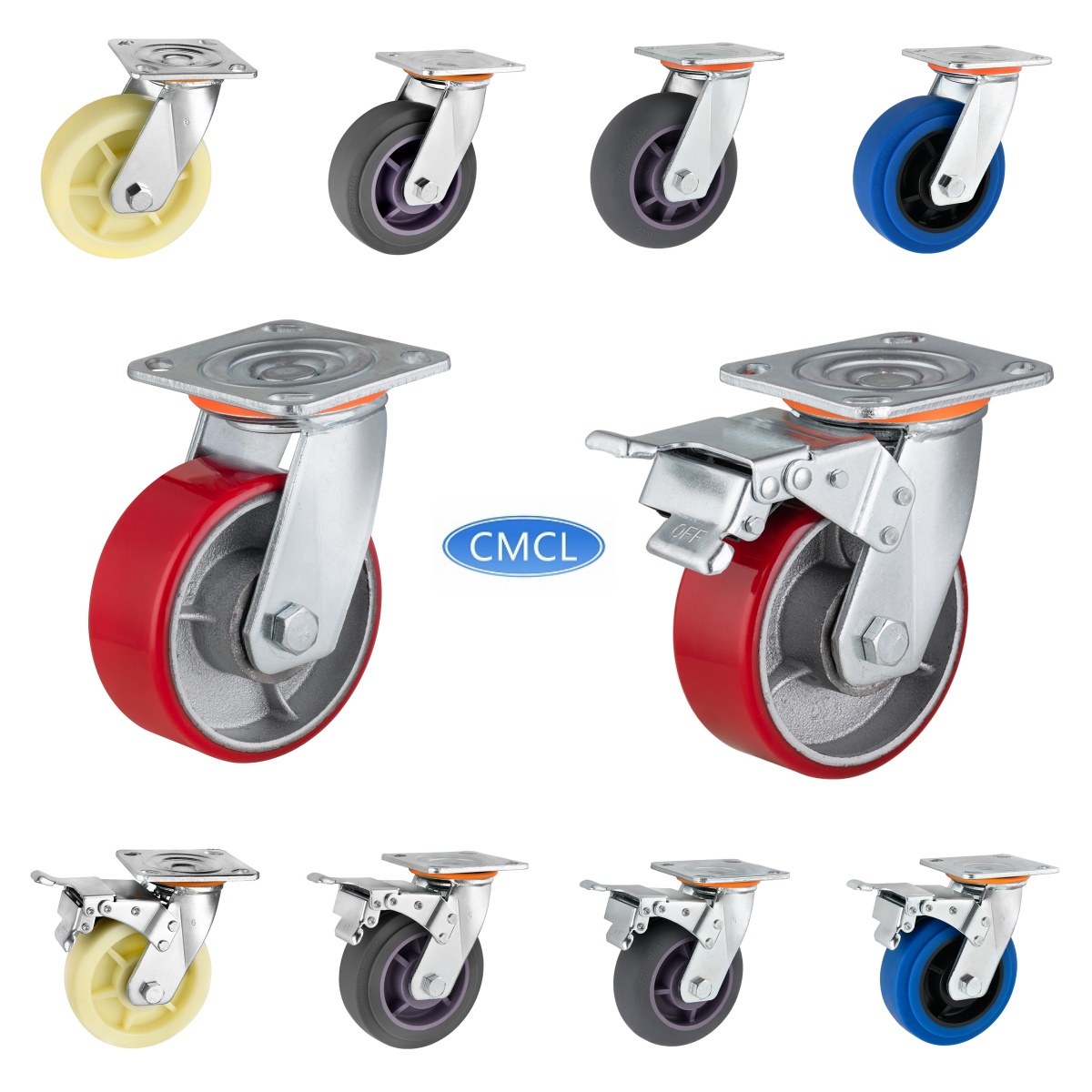
China's caster manufacturing sector has long been recognized for its ability to produce durable wheels that withstand rigorous industrial use, thanks to stringent quality control measures. Key standards often involve material selection, such as high-grade polyurethane or forged steel, which are rigorously tested for load capacity and wear resistance. These benchmarks are continuously refined to align with global safety protocols, ensuring casters meet the demands of diverse applications from warehouses to healthcare facilities.
Beyond material specifications, production standards emphasize precision engineering and assembly techniques, focusing on factors like bearing systems and swivel mechanisms to enhance mobility and longevity. Manufacturers frequently adopt advanced quality assurance processes, including random sampling and real-time monitoring, to detect defects early and maintain consistency across batches. This proactive approach helps in reducing failure rates and building trust with international clients seeking reliable supply chains.
To stand out in a competitive market, many Chinese producers are integrating environmental and innovation standards into their quality frameworks. This includes using recyclable materials and implementing energy-efficient manufacturing methods, which not only boost durability but also appeal to eco-conscious buyers. By prioritizing these evolving standards, the industry fosters a culture of continuous improvement, making Chinese durable casters a preferred choice for global businesses focused on long-term performance and sustainability.
Innovative Materials and Designs for Enhanced Wheel Performance
The relentless pursuit of superior wheel performance has driven significant advancements in both materials and design philosophies. Beyond traditional aluminum alloys, we now see the integration of carbon fiber composites, magnesium alloys, and even hybrid materials that combine strength with remarkable lightness. These innovative materials not only reduce unsprung mass, improving handling and responsiveness, but also offer enhanced durability and resistance to corrosion, ensuring wheels withstand the rigors of diverse driving conditions. Additionally, the use of advanced manufacturing techniques, such as flow forming and forging, allows for more precise control over material density and grain structure, resulting in wheels that are both lighter and stronger than ever before.
Design innovations play an equally crucial role in elevating wheel performance. Aerodynamic features, like intricate spoke patterns and rim profiles, are engineered to minimize drag and optimize airflow around the wheel, contributing to better fuel efficiency and stability at high speeds. Moreover, structural designs that prioritize stiffness and rigidity help maintain wheel integrity under heavy loads and sharp cornering, enhancing overall vehicle dynamics. The synergy between material science and aerodynamic design enables wheels to not only look striking but also deliver tangible benefits in performance, from reduced rolling resistance to improved brake cooling.
Looking ahead, the integration of smart technologies is set to redefine wheel performance even further. Imagine wheels embedded with sensors that monitor pressure, temperature, and load in real-time, providing drivers with actionable insights to optimize safety and efficiency. Such innovations could lead to adaptive wheel systems that adjust their characteristics based on driving conditions, offering a seamless blend of comfort and performance. As these cutting-edge materials and designs evolve, they promise to push the boundaries of what wheels can achieve, making every journey smoother, safer, and more exhilarating.
Customization Options for Industry-Specific Caster Applications
When it comes to caster applications across different industries, customization is not just a luxury—it's a necessity for optimizing performance, safety, and efficiency. In the food and beverage sector, for instance, casters must withstand harsh cleaning chemicals and moisture, making stainless steel and sealed bearings essential choices to prevent contamination and corrosion. Similarly, in manufacturing environments, heavy-duty casters with high load capacities and brake systems are tailored to handle massive machinery, ensuring stability during movement and stationary periods.
Beyond material and load adaptations, industries like healthcare and semiconductor manufacturing demand specialized features such as non-marking or anti-static casters. Hospital equipment relies on quiet, smooth-rolling casters to reduce noise in patient areas, while cleanrooms require casters that minimize particulate generation to maintain sterile conditions. Even retail and hospitality settings benefit from custom designs, with swivel casters that offer 360-degree maneuverability for tight spaces, enhancing workflow without compromising on aesthetics.
Understanding the unique demands of each industry allows for the creation of caster solutions that go beyond standard offerings. By integrating factors like floor type compatibility, climate resistance, and ergonomic handles, customized casters can significantly boost operational productivity and longevity. This tailored approach ensures that every application, from warehouses to laboratories, operates at its peak with minimal downtime or maintenance issues.
Cost-Effective Sourcing Strategies from Chinese Suppliers
When looking to source products from China, it's easy to get caught up in the sheer number of options. Instead of focusing solely on price, savvy businesses dig deeper to uncover hidden savings. One effective approach is to target suppliers in less prominent industrial regions, such as those in inland provinces. These firms often offer competitive rates due to lower operational costs, yet still maintain solid quality standards that can rival coastal factories. By building relationships here, you can secure better deals without sacrificing reliability.
Another key tactic involves negotiating flexible payment terms rather than just haggling over unit prices. Many Chinese suppliers are open to arrangements like staggered payments or longer credit periods, which can significantly ease cash flow pressures. Additionally, consider consolidating orders across multiple product lines with a single supplier to leverage bulk discounts. This not only reduces per-item costs but also simplifies logistics and strengthens your partnership, leading to more favorable terms over time.
Don't overlook the value of on-site visits and direct communication to cut costs effectively. Visiting factories in person allows you to assess production processes, identify potential inefficiencies, and discuss customizations that might lower expenses. Coupled with clear, ongoing dialogue in Mandarin or through trusted interpreters, this hands-on approach helps prevent misunderstandings and costly errors. Together, these strategies turn sourcing from China into a sustainable advantage, blending affordability with long-term trust.
Best Practices for Selecting and Maintaining Heavy Duty Casters
Choosing the right heavy-duty casters isn't just about picking the sturdiest ones you can find—it's about matching them to your specific needs to ensure longevity and performance. Start by assessing the load capacity, considering both the static weight and dynamic forces during movement, and always opt for casters rated for at least 30% more than your maximum load to account for uneven surfaces or impacts. Don't overlook the floor type: soft wheels like polyurethane work well on delicate surfaces to prevent damage, while hard wheels like forged steel are ideal for rough concrete floors. Also, factor in mobility needs; swivel casters offer maneuverability in tight spaces, but if straight-line travel is key, rigid casters provide better stability and less wear over time.
Once you've selected the perfect casters, proper maintenance is crucial to avoid costly downtime and replacements. Regular inspections should become routine—check for signs of wear on wheels, such as flat spots or cracks, and ensure that bearings and swivel mechanisms are free from debris and lubricated as recommended by the manufacturer. In environments with high moisture or chemicals, consider sealed bearings to prevent corrosion, and if you notice uneven wear, it might indicate misalignment or overloading that needs addressing. Simple habits like cleaning casters after use in dirty conditions can significantly extend their life, keeping your equipment rolling smoothly without unexpected hiccups.
To truly stand out from generic advice, think beyond the basics by integrating smart practices into your operations. For instance, rotate casters periodically on equipment to distribute wear evenly, much like rotating tires on a vehicle, which can double their service life. Keep a log of maintenance dates and issues to track performance trends and anticipate failures before they occur. If you're in a high-vibration setting, invest in casters with shock-absorbing features to protect both the casters and the cargo. Remember, a proactive approach not only saves money in the long run but also enhances safety by reducing the risk of caster failure during critical moves.
FAQ
Heavy duty caster wheels typically need to withstand high loads—often over 500 pounds per wheel—and resist harsh conditions like extreme temperatures, chemicals, or rough surfaces. Key factors include robust materials like polyurethane or forged steel, reinforced bearings, and durable swivel mechanisms that prevent jamming under stress. In China, manufacturers often focus on these specs to meet global standards, ensuring longevity in warehouses, factories, or medical settings.
Chinese producers implement stringent quality checks, such as ISO 9001 certifications, to maintain consistency. They use advanced testing like load capacity trials, abrasion resistance tests, and vibration analysis. Many factories also adopt lean manufacturing principles, with regular audits and real-time monitoring systems to catch defects early, ensuring wheels meet international safety and durability requirements without compromising on cost-efficiency.
There's a shift towards hybrid materials, such as polyurethane-coated nylon cores or rubber compounds with enhanced shock absorption. Some manufacturers are exploring recycled plastics and metals for sustainability, while others develop heat-resistant elastomers for specialized uses. These innovations aim to balance weight, noise reduction, and load-bearing capabilities, giving buyers more tailored options beyond traditional steel or plastic wheels.
Chinese factories often offer extensive customization, allowing clients to specify dimensions, colors, brake types, or mounting styles. This flexibility stems from scalable production lines and skilled engineering teams that adapt designs quickly. For example, you can order wheels with specific tread patterns for floor protection or anti-static features for electronics, making it easier to match exact operational needs without long lead times.
Buyers should avoid focusing solely on low prices, which might indicate subpar materials or weak load ratings. It's crucial to verify certifications, request samples for real-world testing, and check supplier reputations through reviews or site visits. Overlooking details like bearing types (e.g., roller vs. ball) or inadequate swivel locks can lead to premature failure, so clear communication on specs is key to preventing costly mistakes.
China's efficient, high-volume production helps stabilize global supply by offering quick turnaround and competitive pricing. Integrated supply chains, from raw material sourcing to assembly, reduce delays. This supports industries worldwide, from logistics to healthcare, by providing reliable components that keep equipment mobile and operational, though recent trends emphasize localizing some production for resilience against disruptions like tariffs or shipping issues.
Load capacity ratings indicate the maximum weight a wheel can handle safely, usually calculated per wheel and in total for a set. For heavy duty use, it's vital to choose wheels with ratings exceeding your actual load to account for dynamic stresses, like impacts or uneven floors. Chinese manufacturers often provide clear charts, helping buyers avoid overloading—which can cause breakdowns or safety hazards—ensuring wheels perform reliably in demanding environments.
Conclusion
China has firmly established itself as a global leader in the production of heavy duty caster wheels, driven by a sophisticated manufacturing landscape that combines extensive industrial infrastructure with specialized expertise. This comprehensive guide delves into the intricate ecosystem of Chinese manufacturing, exploring how diverse regions and facilities cater to high-demand applications. Beyond scale, the emphasis is on adhering to rigorous quality standards, ensuring durable caster production that meets international benchmarks for load capacity, material strength, and operational safety. Manufacturers leverage innovative materials—such as polyurethane, rubber compounds, and reinforced plastics—alongside advanced designs to enhance wheel performance, focusing on factors like noise reduction, floor protection, and longevity under stress. This foundational approach not only supports reliability but also enables extensive customization options tailored to industry-specific needs, from healthcare and logistics to manufacturing and retail, allowing for precise adaptations in size, bearing types, and mobility features.
To effectively source heavy duty casters from China, businesses adopt cost-effective strategies that balance affordability with quality, often involving direct supplier partnerships, bulk purchasing, and thorough vetting processes. Best practices for selecting and maintaining these components emphasize a holistic view: evaluating supplier credibility, testing product samples, and considering post-purchase support. Maintenance tips include regular inspections, lubrication, and load management to prolong service life, minimizing downtime. By integrating these elements—from innovative materials and customization to smart sourcing and upkeep—this guide provides a nuanced roadmap for navigating China's dynamic market, helping users secure high-performance casters that align with operational demands while maintaining competitive advantages without compromising on durability or functionality.
Contact Us
Contact Person: Ruby
Email: [email protected]
Tel/WhatsApp: +86 13360379367
Website: https://www.cmcl-casters.com