

Hot-Dip Galvanized Square Tube Factory: Your Ultimate Guide to Quality and Durability
2026-03-07
When it comes to structural projects that demand longevity and resilience, few materials can match the strength and durability of hot-dip galvanized square tubes. At Shunchen steel, we've spent years mastering the art of producing these essential components, ensuring they not only meet but exceed industry standards. In this guide, we'll delve into the intricate process of creating high-quality galvanized square tubes, exploring why they're the go-to choice for architects, engineers, and builders worldwide. From the meticulous craftsmanship to the innovative techniques we employ, you'll discover how our commitment to excellence translates into products that stand the test of time—whether in harsh environments or everyday applications. Join us as we uncover the secrets behind making structures safer, stronger, and more sustainable. Get ready to be inspired by the possibilities that quality galvanized steel can unlock for your next project.
Understanding Hot-Dip Galvanized Square Tubes: A Deep Dive into Construction and Applications
Hot-dip galvanized square tubes are a cornerstone of modern construction, prized for their durability and versatility. The galvanization process involves immersing steel tubes in molten zinc, creating a protective layer that shields against corrosion and rust in harsh environments. This makes them ideal for outdoor applications like fencing, handrails, and structural supports, where exposure to moisture and chemicals is common. Beyond standard uses, innovators are exploring custom shapes and finishes to enhance aesthetic appeal in architectural projects.
In construction, these tubes offer more than just strength; their square profile allows for easier fabrication and assembly compared to round tubes, enabling precise joins in frameworks and trusses. From industrial warehouses to residential balconies, they provide a cost-effective solution that reduces maintenance needs over time. Recent advancements include eco-friendly galvanizing techniques that minimize environmental impact, appealing to sustainable building practices and green certifications.
Applications extend beyond traditional construction into niche areas like agricultural equipment and solar panel mounts, where resistance to weather and wear is crucial. Designers leverage the tubes' malleability for artistic installations, blending functionality with visual impact. As demand grows, manufacturers focus on improving zinc coatings to extend lifespan in extreme climates, ensuring these tubes remain a reliable choice for diverse projects worldwide.
The Galvanization Process Step-by-Step: How Hot-Dip Methods Ensure Long-Lasting Protection
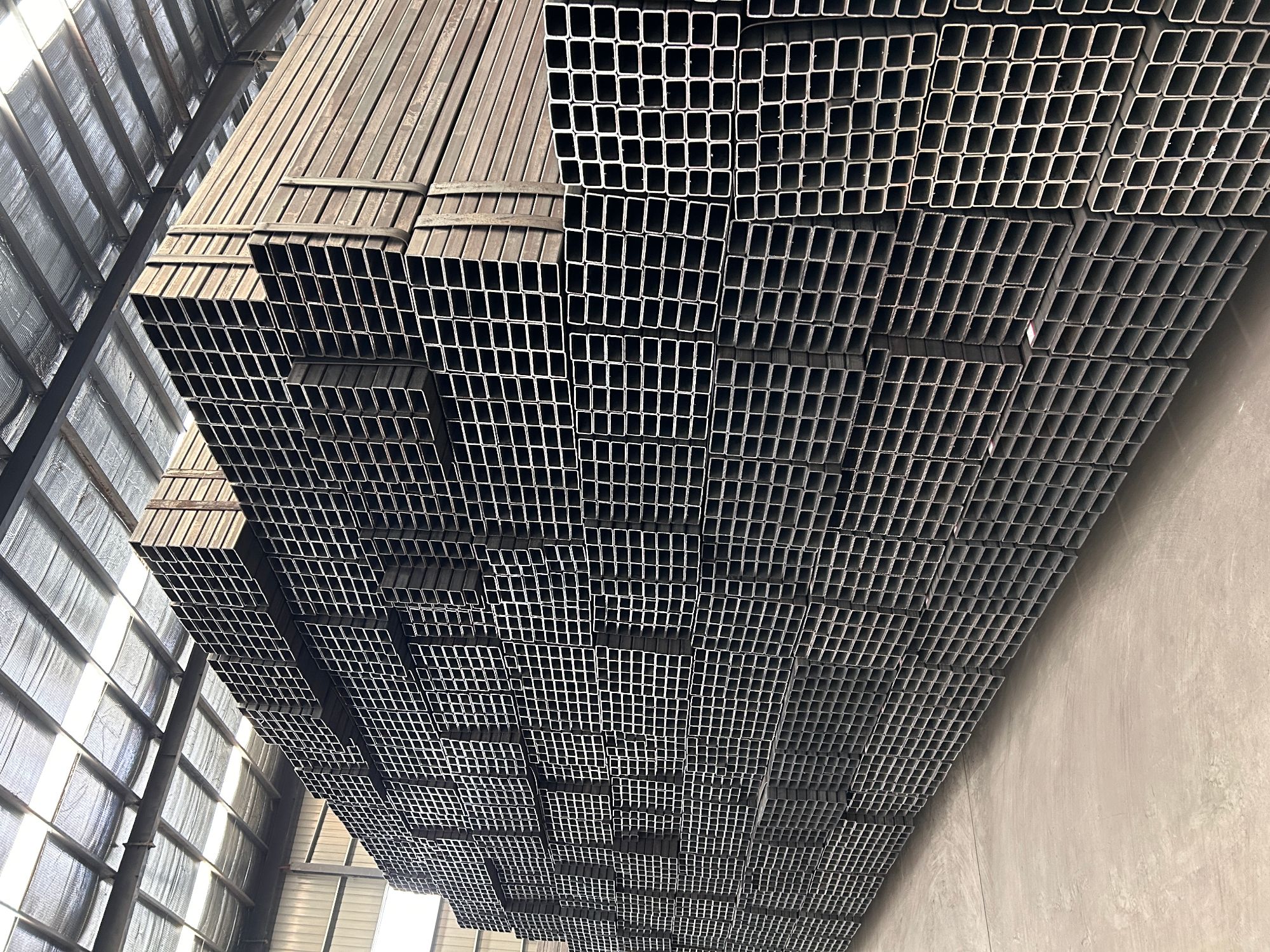
The hot-dip galvanization process kicks off with thorough surface preparation, a step many gloss over but is actually critical for the bond's integrity. First, the steel is cleaned to remove dirt, oils, and mill scale through degreasing and pickling in an acid bath, which roughens the surface microscopically. This isn't just about cleanliness—it primes the metal by creating tiny anchor points that help the zinc adhere more firmly, a detail that sets high-quality galvanizing apart from rushed jobs. Think of it like prepping a wall for paint; without this meticulous start, the coating might peel or bubble prematurely, compromising the entire protective layer.
Once prepared, the steel is immersed in a molten zinc bath heated to around 840°F (450°C), where the real magic happens. As it's dipped, a metallurgical reaction occurs between the zinc and iron, forming a series of zinc-iron alloy layers that are harder than the base steel itself. This isn't a mere coating sitting on top—it's a bonded interface that grows from the inside out, offering a robust barrier against corrosion. The immersion time is carefully controlled, often based on the steel's thickness and desired coating weight, ensuring uniform coverage even in complex shapes or hard-to-reach crevices. Unlike some spray-on methods, this full immersion guarantees no weak spots, a key factor in why hot-dip galvanization outlasts alternatives in harsh environments like coastal areas or industrial settings.
After withdrawal, the steel cools and the zinc solidifies into a durable, matte-gray finish that's ready to face the elements. The resulting coating provides both barrier protection, physically shielding the steel from moisture and chemicals, and cathodic protection, where the zinc sacrificially corrodes instead of the steel if the coating is scratched. What makes this method stand out in the crowded field of anti-corrosion treatments is its self-healing ability—minor damage often gets sealed by zinc corrosion products, extending the structure's lifespan to 50 years or more with minimal maintenance. It's a tried-and-true technique that balances efficiency with reliability, making it a go-to for everything from bridges and transmission towers to everyday hardware, where longevity isn't just a bonus but a necessity.
Material Quality and Selection: Choosing the Right Steel for Optimal Durability in Square Tubes
When it comes to square tubes, the durability hinges directly on the steel quality you pick. Many folks assume any steel will do, but that overlooks subtle factors like the alloy's toughness, which can vary wildly between grades. For instance, in a high-moisture setting, a basic carbon steel might rust quickly, whereas a corrosion-resistant option could last decades without a hitch. It's all about matching the material to the environment's demands—no one-size-fits-all approach here.
Let's break down the selection process a bit. Start by considering factors like tensile strength and weldability; these aren't just technical jargon but practical necessities for structures that must bear loads or endure fabrication. A good tip is to consult specifications or test samples in real-world conditions—it often reveals surprises, like how some steels perform better under stress than others. Don't just go by the price tag; investing in a slightly pricier, high-quality steel upfront can save headaches and replacement costs down the line.
Ultimately, the right choice balances cost with long-term performance. Think about it as a tailored solution: if your project involves outdoor frames in harsh weather, spring for weather-resistant steel, but for indoor uses, a standard grade might suffice. By focusing on these specifics, you ensure your square tubes don't just look good but stand the test of time, minimizing maintenance and maximizing reliability.
Factory Standards and Quality Control: Ensuring Each Tube Meets Industry and Customer Expectations
At our facility, we uphold rigorous factory standards that go beyond basic compliance, integrating advanced protocols to guarantee every tube's precision and durability. Each production stage is monitored with state-of-the-art technology, ensuring consistency from raw material selection to final inspection, which directly addresses both stringent industry benchmarks and diverse customer needs.
Quality control isn't just a step in the process; it's embedded in our culture, with dedicated teams conducting thorough checks and real-time adjustments. By leveraging innovative testing methods, we proactively identify potential issues, resulting in products that not only meet but often exceed expectations, fostering trust and reliability in every shipment.
Our commitment extends to continuous improvement, where feedback loops from customers and industry trends refine our standards, ensuring each tube is crafted to deliver optimal performance. This dynamic approach allows us to adapt quickly, maintaining a competitive edge while consistently delivering value-driven solutions that resonate with end-users.
Versatile Uses in Modern Projects: From Infrastructure to Art, Hot-Dip Galvanized Tubes in Action
In contemporary construction landscapes, hot-dip galvanized tubes have emerged as indispensable components, seamlessly bridging the gap between durability and aesthetic appeal. From towering skyscrapers to expansive bridges, their corrosion-resistant properties ensure longevity in harsh environments, reducing maintenance costs and enhancing structural integrity. Engineers increasingly rely on these tubes for frameworks, railings, and support systems, where exposure to weather elements demands robust solutions that withstand decades of use.
Beyond traditional infrastructure, hot-dip galvanized tubes find creative expression in artistic installations and urban design. Artists and architects leverage their versatile forms to craft sculptures, public benches, and decorative facades, blending industrial strength with modern aesthetics. This adaptability allows for sleek, minimalist designs that weather gracefully over time, adding functional art to parks and cityscapes. In renovation projects, these tubes often repurpose old structures, giving them new life with a durable, zinc-coated finish that complements both rustic and contemporary styles.
The application spectrum extends to specialized sectors like agriculture and renewable energy, where hot-dip galvanized tubes support greenhouses, fencing, and solar panel mounts. Their ease of fabrication and eco-friendly attributes align with sustainable development goals, offering reliable performance in diverse climates. By integrating innovation with practicality, these tubes empower projects that prioritize resilience and visual harmony, proving their worth from foundational frameworks to inspiring artistic creations.
Maintenance and Longevity: Tips to Preserve Galvanized Tubes for Decades of Reliable Service
Galvanized tubes are prized for their durability, but a little proactive care can extend their service life well beyond initial expectations. To ensure decades of reliable performance, start with proper installation: avoid embedding the tubes directly in concrete without protective sleeves, as this can trap moisture and lead to premature corrosion at contact points. Regular visual inspections, especially in harsh environments like coastal or industrial areas, help catch minor scratches or damage early before they compromise the zinc coating. For outdoor applications, consider periodic cleaning with mild soap and water to remove dirt and pollutants that might accelerate wear, but steer clear of abrasive cleaners that could strip the protective layer.
When it comes to maintenance, addressing minor issues promptly is key. If you notice any small rust spots, gently scrub them with a wire brush and apply a zinc-rich paint to seal the area, mimicking the original galvanization. This simple fix can prevent further spread and maintain the tube's integrity. In high-humidity settings, ensure adequate ventilation around the tubes to reduce condensation buildup, which can slowly degrade the coating over time. Also, avoid stacking or storing heavy materials directly against galvanized surfaces without padding, as physical abrasion can wear down the zinc layer prematurely.
For long-term preservation, think beyond basic upkeep. Avoid using galvanized tubes in direct contact with dissimilar metals like copper or brass without insulation, as this can cause galvanic corrosion that eats away at the zinc. In applications involving high temperatures, such as in heating systems, monitor for signs of coating breakdown and consider applying a high-temperature resistant topcoat if needed. By integrating these tips into a routine care plan, you'll not only safeguard the tubes but also enhance their resilience against environmental stressors, ensuring they remain a dependable component for years to come.
FAQ
Hot-dip galvanized square tubes are submerged in molten zinc, forming a thick, durable coating that physically blocks moisture and chemicals, preventing rust and corrosion even in harsh environments.
Our factory uses automated systems and stringent quality checks, including visual inspections and thickness measurements at every stage, to guarantee uniform zinc coating and structural integrity in all tubes.
Yes, we offer customization in dimensions, thickness, and zinc coating levels to meet diverse needs, from construction frameworks to industrial supports, ensuring a perfect fit for each project.
Hot-dip galvanizing provides superior longevity, often lasting decades without maintenance, and offers better coverage on edges and corners compared to paints or electroplating, enhancing overall durability.
Store tubes horizontally on flat surfaces in dry, covered areas; avoid stacking too high to prevent deformation, and use protective caps to shield ends from moisture during transport and handling.
These tubes are widely used in construction, agriculture, and infrastructure for structural supports, fencing, and equipment due to their strength, corrosion resistance, and low maintenance requirements.
Hot-dip galvanizing is eco-friendly, as zinc is recyclable and the process produces minimal waste; it also reduces the need for replacements, cutting down resource consumption over time.
Check for a smooth, shiny coating without flakes or bare spots, measure zinc thickness with a gauge, and inspect for any physical damage to ensure they meet industry standards and your specifications.
Conclusion
Hot-dip galvanized square tube factories are pivotal in providing durable solutions for various industries, focusing on quality and long-lasting protection. Understanding these tubes involves a deep dive into their construction, materials, and versatile applications, from robust infrastructure projects to creative art installations. The galvanization process is meticulously executed in factories using hot-dip methods, ensuring each tube is coated to resist corrosion and extend service life. This step-by-step approach emphasizes the commitment to quality, starting from material selection, where factories choose the right steel for optimal durability, to maintaining high standards throughout production. Such practices highlight the factory's role in delivering reliable products that stand the test of time.
By implementing strict factory standards and quality control measures, these facilities ensure each square tube meets both industry benchmarks and customer expectations, fostering trust and satisfaction. Beyond production, hot-dip galvanized square tubes excel in modern projects due to their versatility, supporting everything from structural frameworks to aesthetic designs. Maintenance is minimal yet essential for preserving integrity, with simple tips helping users maximize longevity for decades. Overall, this guide underscores how a dedicated factory approach transforms raw materials into resilient components, blending technical precision with real-world utility to outshine competitors and set new durability benchmarks.
Contact Us
Contact Person: Max Zhou
Email: [email protected]
Tel/WhatsApp: +86 15712216177
Website: https://www.shunchensteelmaterial.com/