

Immersive Lijiang Cultural Experience: Discover Ancient Towns, Naxi Traditions, and Local Life
2026-08-05
Step into a world where ancient cobblestone streets whisper stories of the Naxi people, and every corner reveals a piece of living history. In Lijiang, culture isn't just preserved – it's a vibrant part of daily life. From exploring the timeless charm of Jade Water Village to witnessing century-old traditions firsthand, this journey promises an immersion like no other. Ready to discover the soul of Yunnan?
Wandering Through Time in Lijiang’s Hidden Alleys
Stepping away from the well-trodden paths of Lijiang’s ancient town, the hidden alleys reveal a quieter narrative, one etched into weathered cobblestones and wooden doorways. Here, the centuries-old Naxi architecture whispers stories of merchants, scholars, and artisans who once walked these narrow lanes. The sound of water trickling through stone channels merges with the distant chime of wind chimes, creating a soundtrack that feels both timeless and intimately personal.
Every turn in these labyrinthine passages uncovers a fragment of daily life untouched by the rush of modernity. Elderly residents still sit on carved stone benches, embroidering or chatting in the melodic Naxi tongue, while the aroma of freshly baked baba bread drifts from a half-open courtyard. The patina of age on the walls is not just decay but a living record, inviting you to pause and imagine the countless footsteps that have smoothed the stones beneath your feet.
As dusk falls and lanterns begin to glow, the alleys transform into a realm of soft shadows and warm light. Without the glare of neon, the true character of Lijiang emerges?intimate, unscripted, and full of mystery. It’s in these forgotten corners that you can truly wander through time, not as a tourist, but as a participant in a long, slow story still being written.
Naxi Rhythms: Music and Dance After Sunset
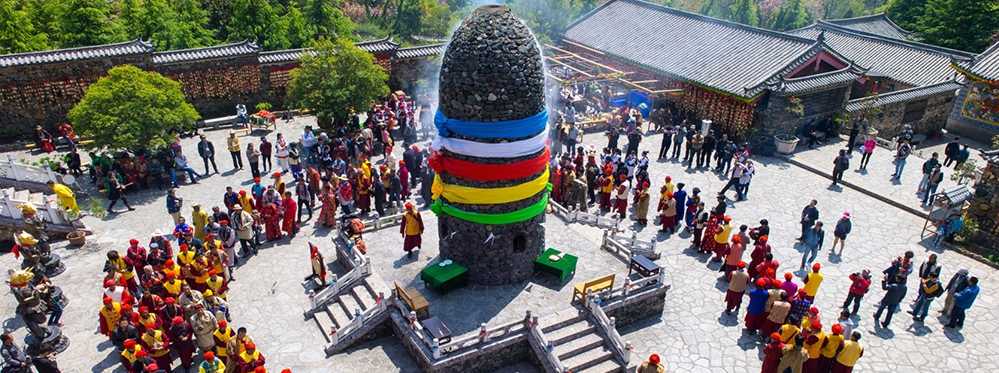
As dusk settles over the cobblestone lanes of Lijiang, a quiet transformation begins. The fading light seems to beckon the Naxi people from their homes, and soon the central squares fill with figures draped in traditional blue and white attire. There is no formal announcement—just the first tentative notes of a flute, the gentle pulse of a hand drum, and a rising, collective hum that soon swirls into full-throated song. It’s an invitation impossible to refuse, and within moments, a circle forms, hands link, and the evening comes alive with the rhythms of a culture that has danced through centuries.
The music itself feels like a conversation with the mountains and rivers that cradle this ancient town. Led by the lilting melody of a bamboo flute or the breathy chords of a lusheng, the tunes draw from age-old stories—of love, harvest, and the spirits that wander the Jade Dragon Snow Mountain. The dance is simple but mesmerizing: a steady, shuffling step that moves the circle counterclockwise, punctuated by sudden turns or claps. Newcomers are always welcomed into the loop, urged on by the grinning elders who seem to move with an ease that defies their years. No one sits still for long; the music wraps itself around the square, coaxing even the shyest bystanders into the flow. It’s less a performance and more a shared breath, a nightly ritual where the Naxi remind themselves—and anyone watching—that joy is best expressed when the sun goes down.
Tasting the Old Quarter: A Market-to-Table Adventure
The morning starts with a jolt of local coffee at a streetside stall, thick and sweet, before slipping into the Old Quarter's back lanes where the real action unfolds. Here, market cries echo off crumbling yellow walls, and the air is thick with the scent of fresh herbs, smoking charcoal, and just-caught river fish gleaming on beds of crushed ice. I weave past pyramids of dragon fruit and baskets of still-wriggling shrimp, stopping to ask a vendor about the knobby, alien-looking vegetable in her hand. She grins, hands me a slice of unripe mango dipped in chili salt, and suddenly I’m not just shopping—I’m inside the city’s beating heart.
An hour later, those same market treasures end up on a wooden table in a tucked-away kitchen, where the chef turns our haul into a lesson in balance. I learn to pound green papaya with a mortar until it absorbs the lime and fish sauce, to char eggplant over an open flame until the skin blisters, and to taste every tweak of sugar and bird’s eye chili as we go. There’s no formal recipe—just instinct and the mantra of “hot, sour, salty, sweet” repeated until it clicks. When we finally sit down to eat, the steaming clay pots and banana leaf parcels feel like a secret uncovered, each bite a direct line from that chaotic market to this hushed, lantern-lit moment.
Crafting Memories with Dongba Calligraphy and Local Artisans
There's an unmistakable magic in watching a Dongba script come to life, each stroke carrying centuries of Naxi wisdom. At local workshops, you're not merely observing—you're handed a bamboo pen, its tip softened by countless hands before yours, and guided to trace symbols that speak of wind, mountain, and the human heart. The ink smells of pine soot and time, and as your wrist learns the rhythm, you realize this isn't just calligraphy; it's a dialogue with a culture that refuses to be forgotten.
Beyond the sacred characters, artisans open their homes and their stories. A woodcarver might show you how a single piece of juniper transforms into a guardian deity, his chisel moving with a certainty born from apprenticeship at his father's knee. The weaver next door, whose fingers dance through dyed wool, explains how the patterns mirror the stars over Jade Dragon Snow Mountain. Each interaction leaves an imprint deeper than any photograph could capture, blending your own curiosity with their patient generosity.
What stays with you isn't just the art—it's the laughter shared over pu'er tea, the gentle corrections that turn a wobbly line into a deliberate mark, the sudden connection when a symbol finally clicks. These moments are stitched into the very fabric of what you create, making every finished scroll or tiny carving a vessel of memory. Long after the journey ends, holding that piece in your hands will bring back the crisp mountain air and the warmth of a stranger who became part of your story.
A Day in the Life of a Naxi Household
Before first light, the grandmother rises quietly from her felt blanket and rekindles the fire in the central hearth. She grinds dark tea leaves with a stone pestle while water heated overnight in a copper pot comes to a boil. The mother slips on her blue apron embroidered with the seven stars of the goddess, then pours hot yak butter tea for the family. Breakfast is simple—a plate of baba flatbread and a dish of pickled turnips—eaten in the smoky warmth of the kitchen. Outside, the rooster crows, and the men check their horses and plows, exchanging few words.
By midmorning, the house hums with separate rhythms. The grandfather unfolds a leather-bound dongba manuscript and teaches his grandson the pictographs, their voices rising and falling like chants. In the courtyard, the mother weaves a cotton sash on a wooden loom, her shuttle clacking while a niece spins yak wool nearby. The father and eldest son are already out in terraced fields, repairing mud walls between barley plots. Every now and then they pause to drink cooled barley wine from a gourd, watching cloud shadows race across Jade Dragon Snow Mountain.
As dusk paints the cobblestones gold, everyone gathers in the main room for the evening meal. A clay pot of chicken stew with mountain herbs simmers beside the hearth, and someone pours a handful of buckwheat into hot sand to make puffed snacks. After supper, the grandmother tells a story from the Creation Myth while the youngest daughter braids her silver pendant necklaces. The room smells of sandalwood incense burned earlier at the family shrine. When the embers fade, each person rolls out a sleeping mat in the communal room, the fire’s last warmth cocooning them under carved beams that have sheltered generations.
Beyond the Stone Bridges: Courtyard Stories and Local Lore
Wander just a few steps past the old stone bridges, and you'll find yourself in a world where every cobblestone seems to whisper. The courtyards here aren't just passageways—they're living anthologies of the neighborhood, each with its own quiet dramas and age-old traditions. Elderly residents still gather at dusk on worn wooden stools, sharing tales that have outlived empires: the ghost of a heartbroken merchant who once lived in the blue-doored house, the hidden well that never runs dry even in drought, or the time a stray cat led a lost child home through a labyrinth of alleys. These stories aren't written in any book; they're passed from one generation to the next, as much a part of the architecture as the weathered stones themselves.
Step into any of these hidden enclaves, and you'll notice the small rituals that give each one its character. In one courtyard, a pomegranate tree leans heavily against a crumbling wall, its fruit left untouched because of a century-old belief that it belongs to the jinn who once protected the family living there. In another, a faded mosaic above a doorway depicts a fish with a ring in its mouth—a symbol that locals say brings luck to those who marry into the household. Even the placement of windows and the direction doors face carry layers of meaning, guided by superstitions and forgotten lore. It's these intimate, almost secret details that turn a simple walk into a journey through layers of collective memory.
What strikes you most is how these courtyards blur the line between private and public, past and present. Children play football where traders once unloaded silks, their laughter echoing off walls that have heard centuries of gossip, celebration, and solace. An old woman might invite you for tea, and between sips she'll point to a crack in the wall and tell you it was caused by the earthquake that brought the neighborhood together in prayer. These aren't just stories—they're the threads that weave the community into a fabric far more durable than stone. Out here, beyond the bridges, the real city reveals itself not through its monuments, but through the quiet persistence of human connection.
FAQ
Lijiang's ancient towns, particularly Dayan Old Town, stand out because they seamlessly blend Han, Tibetan, and Naxi architectural styles, creating a maze of cobblestone streets, wooden buildings, and stone bridges over crystal-clear streams. Unlike many restored sites, these towns remain living communities where Naxi culture thrives daily, from traditional music drifting from doorways to elders writing Dongba pictographs in the squares.
Skip the main streets and visit temples like the Jade Dragon Snow Mountain's Baisha Village, where you can observe Dongba shaman ceremonies by appointment. Seek out family-run guesthouses in Shuhe Ancient Town that offer cooking classes for Naxi dishes like baba bread, or join a local guide for a walk to remote villages where textile workshops still use centuries-old looms.
Dongba script is the world's only surviving pictographic writing system, used by Naxi priests to record religious texts and folk tales. You'll see it carved on stone plaques, embroidered into tapestries, and taught in small studios. Some families still pass down the script, and visitors can try their hand at writing a few characters while learning the stories behind each symbol.
A Naxi home meal often features dishes like yak meat stew, cured ham, wild mushrooms, and steamed bread called baba, served with yak butter tea. The host family typically shares stories about their agricultural calendar, the significance of nearby mountains, and how they blend Buddhism, Daoism, and animist beliefs. It's common to be invited to gather around the hearth, where conversations flow easily despite language barriers.
Naxi ancient music, a fusion of Daoist ritual melodies, local folk tunes, and literary lyrics, is performed informally in parks, courtyards, and tea houses. Elderly musicians gather with traditional instruments like the erhu and pipa, often teaching younger generations. You might stumble upon an impromptu concert at the square after sunset, where locals and visitors alike dance in circles to lively Naxi rhythms.
Beyond the crowds, the Yuhu Village at the foot of Jade Dragon Snow Mountain retains its stone houses and simple farming lifestyle. Puji Temple in the hills offers quiet contemplation and views of the entire plain. For a truly off-the-beaten-path experience, the Lashi Lake wetlands host traditional fishing communities that use cormorants, and you can join a fisherman for a day on the water.
Conclusion
In Lijiang, the past doesn’t sit behind glass—it flows through cobblestone alleys and hums in the evening air. To wander here is to lose yourself in a living museum, where every turn reveals a hidden courtyard, a weathered stone bridge, or the distant echo of Naxi music. As dusk settles, the rhythms shift: traditional flute and lute spill from open doorways, and you’re drawn into a circle of dancers moving in slow, deliberate steps that have been passed down for generations. The old quarter’s pulse is best felt through its flavors, too. Early mornings bring the scent of smoky flatbreads and fresh yak butter tea, and a visit to the market turns into an impromptu cooking lesson with a vendor who insists you try her grandmother’s pickled turnips. It’s not just tasting—it’s participating, a hands-on journey from stall to stove that leaves you full in more ways than one.
But immersion deepens when you step into the rituals of daily life. Spend an afternoon with a Dongba calligrapher, and you’ll find yourself carefully shaping pictographs that double as a window into the Naxi worldview, each brushstroke a conversation with an animist past. Local artisans, too, welcome you into their workshops—coppersmiths, weavers, leatherworkers—sharing techniques refined over centuries. Even more intimate is a day with a Naxi family, where you might help prepare a meal, share stories over tea, and learn about the subtle art of reading the weather by the mountain clouds. Beyond the famed stone bridges lie quieter truths: courtyards thick with legends, elders who recall village histories that never made it into books, and the quiet thrill of realizing you’re not just observing a culture, but becoming a small part of its ongoing story.
Contact Us
Contact Person: Changhong He
Email: [email protected]
Tel/WhatsApp: 086-0888-5190152
Website: https://vip.e-baixing.com/ysh