

Import Pallet Rack Supplier: A Practical Guide to Reliable Partnerships
2026-06-10
Choosing the right import pallet rack supplier can make or break your warehouse efficiency. With so many options promising durability and value, how do you find a partner that truly delivers? Whether you're upgrading storage or launching a new facility, the stakes are high—one wrong choice leads to delays, safety risks, and hidden costs. At Lanyuda, we understand these challenges firsthand. This guide cuts through the noise, offering practical steps to secure a reliable partnership that grows with your business.
Reading Between the Quotes: How to Judge a Supplier’s Real Capabilities
A quote is more than a number—it’s a window into a supplier’s mindset and operational maturity. Beyond the bottom line, scrutinize how they break down costs. A supplier that itemizes labor, materials, and contingencies with clarity demonstrates transparency and rigorous planning. Vague lump sums or bundled figures often mask inefficiencies or a lack of detailed process control. Watch for how they handle assumptions: a thorough supplier lists them explicitly, showing they’ve thought through your project’s nuances rather than offering a generic template.
Timing matters just as much as content. A supplier that responds with a well-structured quote within a reasonable window shows respect for your procurement cycle and suggests a team that prioritizes communication. Delays without explanation, or rushed documents full of errors, signal disorganization. Pay attention to the questions they ask before quoting—insightful inquiries about tolerances, volume fluctuations, or end-use conditions reveal an engineer’s curiosity, not just a salesperson’s hunger for a deal.
Finally, compare the quote language to their past performance claims. A supplier that boasts of advanced quality systems but submits a quote riddled with ambiguity is exposing a gap between marketing and reality. Look for subtle proof in their wording: references to specific testing protocols, lead-time buffers grounded in real data, or candid notes about potential bottlenecks. These details separate a partner who anticipates challenges from one who merely hopes for the best.
The Hidden Costs of Cheap Shelving (And How to Avoid Them)
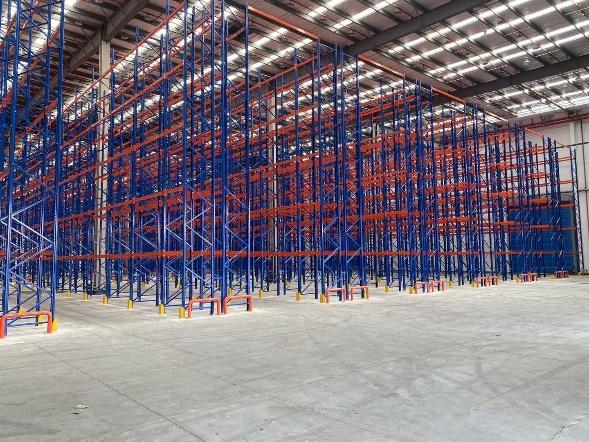
When you spot a shelf unit at a rock-bottom price, it’s easy to think you’ve scored a deal. But that initial saving often masks a string of expenses that start piling up almost immediately. The particleboard warps the moment humidity creeps in, the flimsy brackets sag under even a modest load, and within months you’re left with something that looks more like a safety hazard than a storage solution. Factor in the time you’ll spend reinforcing joints, touching up peeling veneer, or simply replacing the whole thing, and that “bargain” suddenly doesn’t feel so clever.
The real sting comes from the things cheap shelving damages. A collapsed shelf can take out your belongings—books with crushed spines, shattered decor, or worse, electronics that don’t survive the drop. Beyond the physical damage, there’s the constant mental nagging: will that top shelf hold, or should I shuffle things around yet again? That low-grade anxiety isn’t something you can quantify on a receipt, but it chips away at the comfort of your own home.
So how do you sidestep the trap without overpaying? Look beyond the price tag and pay attention to material specs instead. Solid wood or powder-coated steel may cost more upfront, but you’re buying decades instead of months. Check the weight limits—reputable manufacturers publish them honestly. Even better, go for modular systems where parts can be swapped out individually; they rarely fail all at once, and a quick repair beats a full rebuild. A little patience and a willingness to inspect the joints and hardware before you buy can keep your storage standing strong without constant drain on your wallet or your peace of mind.
Why Your Supplier’s After-Sales Support Matters More Than the Sale
The thrill of a good deal often overshadows a crucial truth: a supplier’s true value is proven when things go wrong. A polished sales pitch might promise the moon, but it’s the quiet efficiency of a support team at 2 a.m. that keeps your operations running. A partner who disappears after the invoice is paid turns a minor hiccup into a costly crisis, while one who answers your call with genuine urgency can transform a potential disaster into a footnote. That level of dependability isn’t just comforting—it’s a competitive advantage that no discount can replicate.
Consider the ripple effects of abandoned support. A critical part fails, and suddenly your production line grinds to a halt. Every hour of downtime eats into margins and erodes your own customer trust. A supplier who proactively monitors, offers rapid replacements, or walks your team through a fix is essentially buying back your time and reputation. It’s this invisible safety net that lets you sleep at night, knowing that someone is as invested in your success as you are. When the upfront price is forgotten, the memory of how a partner handled a meltdown lingers on.
Shipping and Handling Without the Surprises
We believe you should know exactly what to expect from the moment you place an order. That’s why we show all shipping costs upfront—no last-minute fees tacked on at checkout. Whether it’s a small envelope or a bulky parcel, the price you see is the price you pay. Our goal is to keep the process straightforward so there are no unwelcome surprises on your bill.
Every package is handled with care, using materials that protect your items without overdoing it. We avoid excessive packaging, but we don’t cut corners when it comes to safeguarding what’s inside. You’ll also get clear tracking information the moment your order leaves our facility. If a delay happens, we’ll reach out before you have to ask. That’s just part of being transparent.
Beyond the basics, we’ve fine-tuned our handling process to minimize common issues like lost items or damaged goods. By working closely with reliable carriers and training our team to double-check every shipment, we catch problems before they reach your doorstep. The result is a delivery experience that’s predictable and dependable, so you can focus on enjoying your purchase instead of worrying about when it will arrive.
Turning a One-Time Deal into a Long-Term Supply Advantage
Most businesses chase the quick win, but the real magic happens when you look past the single transaction and start building something that lasts. It’s not about squeezing every last cent out of a one-off buyer—it’s about understanding that today’s customer could be tomorrow’s steady partner. Shift your mindset from closing to opening; instead of pushing for a signature, start a conversation that keeps going long after the ink dries.
The key is to deliver value that doesn’t end when the invoice gets paid. Think beyond the product itself—share insights, offer support that feels personal, and solve problems you weren’t hired to fix. When you become a resource they can’t easily replace, you stop being just another vendor and start being part of their operational backbone. That kind of trust turns a fragile one-time bargain into a resilient supply relationship.
Long-term supply advantage isn’t something you demand; it’s something you earn by consistently showing up with more than what’s written in the contract. Nurture the connection, anticipate their next challenge, and make every interaction feel less like a transaction and more like a joint step forward. Before you know it, that first casual deal has turned into a reliable channel that feeds both sides for years to come.
When Your Racks Arrive Damaged: A Calm Approach to Resolution
Opening a delivery only to find your new racks bent or scratched can be incredibly frustrating. Take a deep breath and remind yourself that this happens more often than you’d think. Before doing anything else, carefully unpack the unit and take clear photos from multiple angles, making sure the damage is easily visible. This visual evidence will make the next steps much smoother.
Reach out to the seller or shipping company right away, but keep your tone friendly and factual. Explain what you received versus what you expected, attach your photos, and ask what resolution options are available—replacement parts, a partial refund, or a full return. Most businesses appreciate calm customers and will work faster to fix the issue when they’re treated respectfully.
While you wait for a response, think about temporary fixes. A small dent might not affect the rack’s stability, and some scratches can be covered with a matching paint pen. If the rack is still usable, you could even negotiate a discount instead of dealing with a return shipment. Patience really pays off here; good customer service often turns a frustrating start into a positive outcome.
FAQ
Relying solely on price comparisons without digging into factory capabilities. Many importers focus on unit cost and end up with subpar steel thickness, inconsistent welding, or missing load certifications that only surface after the racks are installed.
They don’t just quote standard sizes. They ask about your forklift types, pallet dimensions, inventory turnover, and even seismic considerations. A good supplier will push back on unrealistic configurations instead of agreeing to everything.
Spec sheets can be misleading. Walking through the production line reveals whether raw materials match the specs, if welding is robotic or manual, and if the painting process will actually hold up in damp environments. Photos and videos never tell the full story.
Beyond the invoice and packing list, demand third-party load test reports, material mill certificates, and a detailed installation manual. If the supplier hesitates to share these, treat it as a red flag.
Don’t assume English proficiency equals technical comprehension. Use annotated drawings and video calls with screen sharing for complex parts. Assign a dedicated project manager on their side, and confirm all changes in writing within 24 hours.
Request their response protocol for missing or damaged parts before placing the order. A reliable supplier will have a stock of critical spare beams and connectors ready to air freight, along with a clear replacement timeline.
It often comes down to their supply chain for steel coils and their production backlog. Suppliers who maintain buffer stock for common profiles can cut weeks off delivery, whereas others fabricate entirely to order after receiving a deposit.
Conclusion
Choosing the right import pallet rack supplier goes far beyond scanning quote sheets or comparing unit prices. To truly gauge a supplier’s capabilities, you must peel back the layers of their operation—verify their production processes, on-time delivery track record, and material certifications. A too-good-to-be-true price often masks hidden expenses like subpar steel gauges, missing safety features, or coatings that fail early. These shortcuts lead to premature wear, frequent replacements, and potential safety hazards that end up costing far more than the initial “savings.” Instead, prioritize transparency: ask for load-test reports, past project references, and clear specifications before committing.
However, a solid product is only half the equation. After-sales support transforms a one-off deal into a lasting partnership. A dependable supplier should offer responsive technical guidance, quick resolution of issues, and a structured approach when problems arise—say, if racks arrive with transit damage. Rather than panic, a calm, documented claim process with photo evidence and a cooperative supplier ensures swift replacements or credits. Equally critical is mastering logistics: partnering with a supplier who uses robust packing, reliable freight, and accurate documentation removes costly surprises at the port. By aligning on these details from day one, you don’t just buy shelving—you build a supply chain advantage that scales with your business, turning each order into a stepping stone for mutual growth.
Contact Us
Contact Person: Johnny
Email: [email protected]
Tel/WhatsApp: +86 18151010686
Website: https://lydstorage.com