

Metal Forming Machines: How Modern Technology Transforms Manufacturing Processes
2026-01-28
In the ever-evolving world of manufacturing, the transformation of metal forming machines stands as a testament to innovation and efficiency. As technology advances, processes that were once labor-intensive and time-consuming are now streamlined, enhancing productivity and precision in ways previously unimaginable. At the forefront of this revolution is GRM, a brand synonymous with cutting-edge solutions in metal forming. This blog will delve into how modern technology is reshaping manufacturing processes, with a focus on the innovations brought forth by GRM to meet the demands of today's industries. From automated systems to smart controls, we'll explore the impact of these advancements and what they mean for the future of production. Get ready to uncover the secrets behind the machines that are setting new standards and pushing boundaries in manufacturing.
Evolution of Precision and Automation in Metal Forming
The journey of metal forming has shifted dramatically from heavy hammering in blacksmith shops to today's high-tech factories where lasers and robots take center stage. In the early days, skilled artisans relied on manual force and keen eyes to shape metals, often resulting in inconsistencies and high costs. The introduction of hydraulic presses and mechanical tools in the 20th century brought more control, but it wasn't until digital technologies emerged that precision truly took off. Now, with computer-aided design (CAD) and numerical control systems, manufacturers can achieve tolerances measured in micrometers, turning metal forming into a fine art where every bend and curve matches exact specifications without guesswork.
Automation has woven itself into the fabric of metal forming, going far beyond simple repetitive tasks. Imagine a production line where sensors detect material properties in real-time, adjusting pressure and speed on the fly to avoid defects—this is the new norm. Robotic arms, guided by artificial intelligence, handle everything from loading raw stock to intricate bending, reducing human error and boosting output. This shift isn't just about efficiency; it's enabling complex geometries that were once impossible, like lightweight aerospace components formed with flawless repeatability. As a result, industries from automotive to medical devices are reaping the benefits of faster, safer, and more adaptable manufacturing processes.
Looking ahead, the fusion of IoT and smart factories promises to push these boundaries even further, with self-optimizing systems that learn and improve over time. In essence, the evolution from brute strength to intelligent automation has transformed metal forming into a dynamic field where precision isn't just a goal but a standard, driving innovation across the globe.
Smart Technologies Enhancing Efficiency and Quality Control
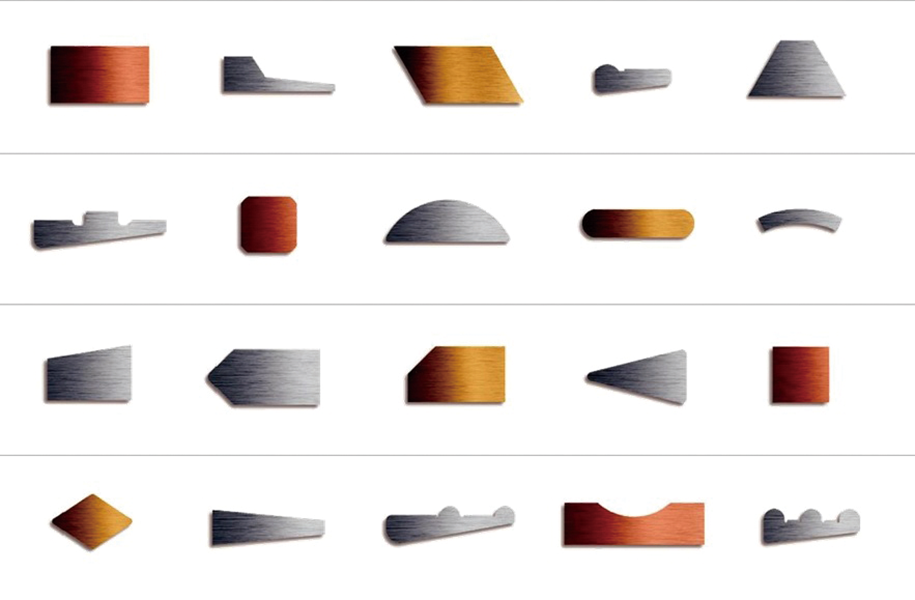
Smart technologies are revolutionizing industries by seamlessly integrating automation and real-time data analysis to boost operational efficiency. For instance, in manufacturing, IoT sensors and AI-powered systems monitor machinery performance, predicting maintenance needs before breakdowns occur, thus minimizing downtime and optimizing production flows. This proactive approach not only accelerates output but also reduces costs, making processes more agile and responsive to market demands.
Beyond efficiency, these innovations significantly elevate quality control standards. Advanced machine learning algorithms can analyze product specifications with precision, identifying even minor defects that might escape human inspection. In sectors like pharmaceuticals or electronics, such technologies ensure consistency and compliance with stringent regulations, fostering consumer trust by delivering reliable, high-quality products every time.
Adopting smart technologies also enables a more interconnected and collaborative environment. Cloud-based platforms and smart devices allow teams to share data instantly, facilitating quick decision-making and continuous improvement in quality assurance processes. As businesses embrace these tools, they not only streamline operations but also empower employees to focus on creative problem-solving, driving innovation while maintaining rigorous control over quality outcomes.
Sustainability and Energy Efficiency in Advanced Metalworking
In the realm of advanced metalworking, the pursuit of sustainability and energy efficiency has become a cornerstone of innovation, driven by both environmental imperatives and economic gains. Manufacturers are increasingly integrating green technologies, such as electric arc furnaces powered by renewable energy sources, to significantly reduce carbon footprints while maintaining high-quality output. This shift not only aligns with global climate goals but also enhances operational resilience by mitigating risks associated with fossil fuel volatility.
Beyond equipment upgrades, process optimization plays a pivotal role in bolstering energy efficiency. Techniques like additive manufacturing (3D printing) minimize material waste by building components layer by layer, contrasting sharply with traditional subtractive methods. Additionally, smart monitoring systems, leveraging IoT sensors, provide real-time data on energy consumption, enabling precise adjustments that slash costs and extend machinery lifespans. These advancements demonstrate how cutting-edge practices can transform metalworking into a leaner, more sustainable industry.
Looking ahead, the sector's evolution hinges on collaborative efforts, including industry partnerships to develop recyclable alloys and workforce training in eco-friendly methodologies. As regulatory pressures mount and consumer demand for green products grows, metalworking firms that pioneer these initiatives are poised to gain a competitive edge, proving that sustainability and energy efficiency are not just ethical choices but strategic assets for long-term success.
Customization and Flexibility in Modern Manufacturing Lines
In today's rapidly evolving market, the demand for tailored products has pushed manufacturing lines to adopt unprecedented levels of customization and flexibility. Gone are the days when assembly lines churned out identical items in massive batches. Instead, modern facilities integrate advanced technologies like robotics and IoT sensors, allowing them to switch between product variants seamlessly—often with minimal downtime. This shift not only meets consumer preferences for personalized goods but also helps companies respond quickly to trends and seasonal changes, giving them a competitive edge in crowded industries.
Beyond just adapting to different products, the true power of these flexible systems lies in their ability to handle small-batch production efficiently. Unlike traditional setups that required extensive retooling, contemporary lines use modular components and software-driven controls to reconfigure processes on the fly. For instance, a single line might produce custom automotive parts in the morning and switch to medical devices by afternoon, all while maintaining high-quality standards. This versatility reduces waste and inventory costs, enabling manufacturers to operate leaner and more sustainably without sacrificing output.
Moreover, this adaptability extends to workforce dynamics and global supply chains. By leveraging data analytics and real-time monitoring, companies can optimize their lines for sudden shifts in demand or material shortages, ensuring resilience in uncertain times. Employees, in turn, benefit from more varied tasks and upskilling opportunities, moving away from monotonous roles. Ultimately, embracing customization and flexibility isn't just about keeping up with technology—it's a strategic move that fosters innovation, reduces risks, and builds long-term customer loyalty through responsive, agile production.
Safety Innovations and Worker Empowerment in Industrial Settings
The integration of cutting-edge safety technologies in industrial environments has fundamentally transformed workplace dynamics. Rather than relying solely on traditional protocols, companies are now deploying IoT sensors and AI-driven monitoring systems that detect hazards in real-time. These innovations not only prevent accidents but also empower workers by providing them with personalized safety feedback, fostering a culture of proactive risk management where employees play an active role in their own well-being.
Beyond technology, worker empowerment initiatives are reshaping how safety is approached on the factory floor. By involving staff in safety committees and decision-making processes, organizations are tapping into frontline insights to tailor solutions to specific challenges. This collaborative approach boosts morale and ownership, leading to higher compliance rates and a shared commitment to maintaining secure environments, ultimately reducing turnover and enhancing productivity.
Looking ahead, the convergence of safety innovations and empowerment strategies promises a more resilient industrial landscape. As companies adopt wearable tech and gamified training modules, workers gain greater control over their safety outcomes, driving continuous improvement. This synergy not only meets regulatory standards but also sets new benchmarks for industry excellence, ensuring that workplaces remain adaptable and human-centric in an era of rapid technological change.
Future Trends: Integration of AI and IoT in Forming Processes
The convergence of artificial intelligence and the Internet of Things is fundamentally reshaping manufacturing, transforming forming processes into dynamic, adaptive operations. This integration moves beyond basic automation by embedding AI algorithms within IoT-connected machines, allowing real-time data from sensors to drive intelligent decisions. For instance, predictive maintenance becomes more precise as AI analyzes vibration and temperature patterns to preempt equipment failures, while IoT-enabled machinery autonomously adjusts parameters based on material variations or environmental conditions. Such systems not only boost productivity but also reduce downtime, offering a seamless blend of human oversight and machine intelligence that adapts to evolving production demands without constant manual intervention.
Diverse industries like automotive and aerospace are already leveraging this synergy for smarter, more efficient operations. In complex forming tasks, IoT devices capture comprehensive data on factors like pressure and temperature, feeding into AI models that optimize processes in real-time. This allows for improved accuracy in shaping materials, minimizing waste and enhancing product quality. The collaboration extends to supply chain integration, where AI-driven IoT systems manage inventories and coordinate workflows, fostering a more resilient manufacturing ecosystem. These advancements support sustainable practices by conserving resources and delivering consistent, high-performance outputs, demonstrating how interconnected technology can elevate traditional forming methods.
Looking ahead, the evolution of AI and IoT in forming will likely focus on increased autonomy and customization, enabling highly flexible production systems. Emerging technologies like edge computing could process data locally within IoT devices, reducing latency for faster AI responses, while advanced neural networks might facilitate self-learning systems that evolve with operational challenges. This trend promises to make forming processes more agile, capable of handling small-batch or custom orders efficiently, and integrating with broader smart factory frameworks. Ultimately, it sets the stage for a new era in manufacturing where intuitive, data-driven approaches redefine how materials are shaped, driving innovation across sectors.
FAQ
Common types include press brakes, stamping presses, and forging machines. Press brakes are used for bending sheet metal, stamping presses handle high-volume cutting and shaping, while forging machines apply force to deform heated metals into complex shapes, with applications varying by material and precision required.
Automation integrates robots for loading, unloading, and tool changing, reducing manual labor and errors. This boosts production speed, improves consistency in forming operations, and allows for 24/7 operations, significantly lowering costs and increasing throughput in manufacturing lines.
CAD software enables precise design of parts before production, while simulation tools model forming processes to predict material behavior and defects. This reduces trial-and-error, minimizes waste by optimizing tool paths, and ensures better quality control from the design phase onward.
High-strength alloys require more powerful and precise machines due to their toughness and resistance to deformation. This drives innovations in hydraulic or servo-driven systems with higher force capacities and better control mechanisms to handle these materials without compromising accuracy or tool life.
Challenges include wear and tear on tools, alignment issues, and mechanical failures. Predictive maintenance uses sensors and data analytics to monitor machine condition in real-time, forecasting potential breakdowns and scheduling proactive repairs, thus reducing downtime and extending equipment lifespan.
Energy-efficient machines, such as those with regenerative drives or optimized hydraulic systems, consume less power during idle or peak operations. This lowers carbon footprints, cuts energy costs, and aligns with environmental regulations, promoting sustainability in industrial settings.
Digital twins create virtual replicas of physical machines, allowing operators to simulate and tweak processes in a risk-free environment. This improves setup accuracy, enhances training, and enables real-time adjustments during production, leading to higher efficiency and fewer errors.
Conclusion
Modern metal forming machines have revolutionized manufacturing through the evolution of precision and automation, moving far beyond traditional methods. Smart technologies are now central to enhancing efficiency and quality control, with sensors and real-time monitoring systems ensuring consistent output while minimizing defects. This shift not only boosts productivity but also integrates sustainability and energy efficiency into advanced metalworking, as newer machines consume less power and reduce waste, aligning with environmental goals. Additionally, customization and flexibility have become hallmarks of modern manufacturing lines, allowing for rapid adaptation to diverse product designs without extensive retooling.
The transformation extends to safety innovations and worker empowerment in industrial settings, where ergonomic designs and automated safeguards protect employees while fostering a collaborative human-machine environment. Looking ahead, future trends point toward the seamless integration of AI and IoT in forming processes, enabling predictive maintenance, optimized workflows, and data-driven decision-making. Together, these advancements illustrate how modern technology fundamentally reshapes metal forming, driving a more agile, responsible, and intelligent manufacturing landscape that meets evolving industry demands.
Contact Us
Contact Person: Rayna
Email: [email protected]
Tel/WhatsApp: 86 -173 1474 6343
Website: https://www.grmrollingmill.com/