
Non Woven Shopping Bag Factory for Eco-Friendly Reusable Bags
2026-11-02
Every reusable bag is a small promise you make to your customers. But keeping that promise depends on one thing: the factory that stitches it together. That's exactly why CHALLENGE WOLVES has become a go-to name for non-woven shopping bags that actually hold up beyond the first grocery run. If you're tired of flimsy bags that end up in the trash after one use, this is where the conversation starts.
What Sets a Reliable Non-Woven Bag Factory Apart From a Trading Office
A factory lives and dies by its production floor. Walk into a genuine non-woven bag manufacturer and you will see cutting machines humming, ultrasonic welders sealing edges, and QC tables stacked with half-finished totes. A trading office, by contrast, might show you a polished showroom and a PowerPoint, but the actual bags are made three provinces away by someone they have never met. That distance shows up in the details: inconsistent stitching, flimsy gussets, or dye lots that shift between orders. A reliable factory can pull a bag off the line, cut it open, and explain why the seam allowance is 6mm instead of 4mm—because they adjusted it after a batch tore under load. A trader can only forward your complaint to a third party and hope for the best.
The second difference is accountability. When a factory messes up an order, the owner usually has a personal stake: his machines, his workers, his reputation with the local material suppliers. He cannot simply change his WhatsApp number and rebrand. Factories that have been running for a decade often keep a “wall of shame” in the back office—rejected samples from past clients, with notes scribbled in marker about what went wrong. That institutional memory is impossible to fake. A trading office may offer you a lower price because it has no overhead, but it also has no skin in the game. If the shipment arrives with 20% defective units, the trader can disappear; the factory owner still has to show up Monday morning and face his sewing team.
Reliability also shows in how a factory handles small stuff: a sudden request to change the handle length from 35cm to 40cm, a need for an extra reinforcement patch on the bottom, or a tight deadline before a trade show. A factory can walk to the cutting table, recalculate the fabric yield, and have a revised sample by afternoon. A trading office has to email the request, wait for a reply, translate the reply, and hope the factory did not quietly substitute a cheaper non-woven fabric to protect its margin. Over time, that difference compounds. Clients who start with a factory for one container often stay because they learn the owner’s son runs the quality checks now and the grandmother still inspects every 500th bag by hand. That is not marketing; that is just how a family-run production floor works.
The Role of GSM, Stitch Density, and Load Testing in Everyday Durability
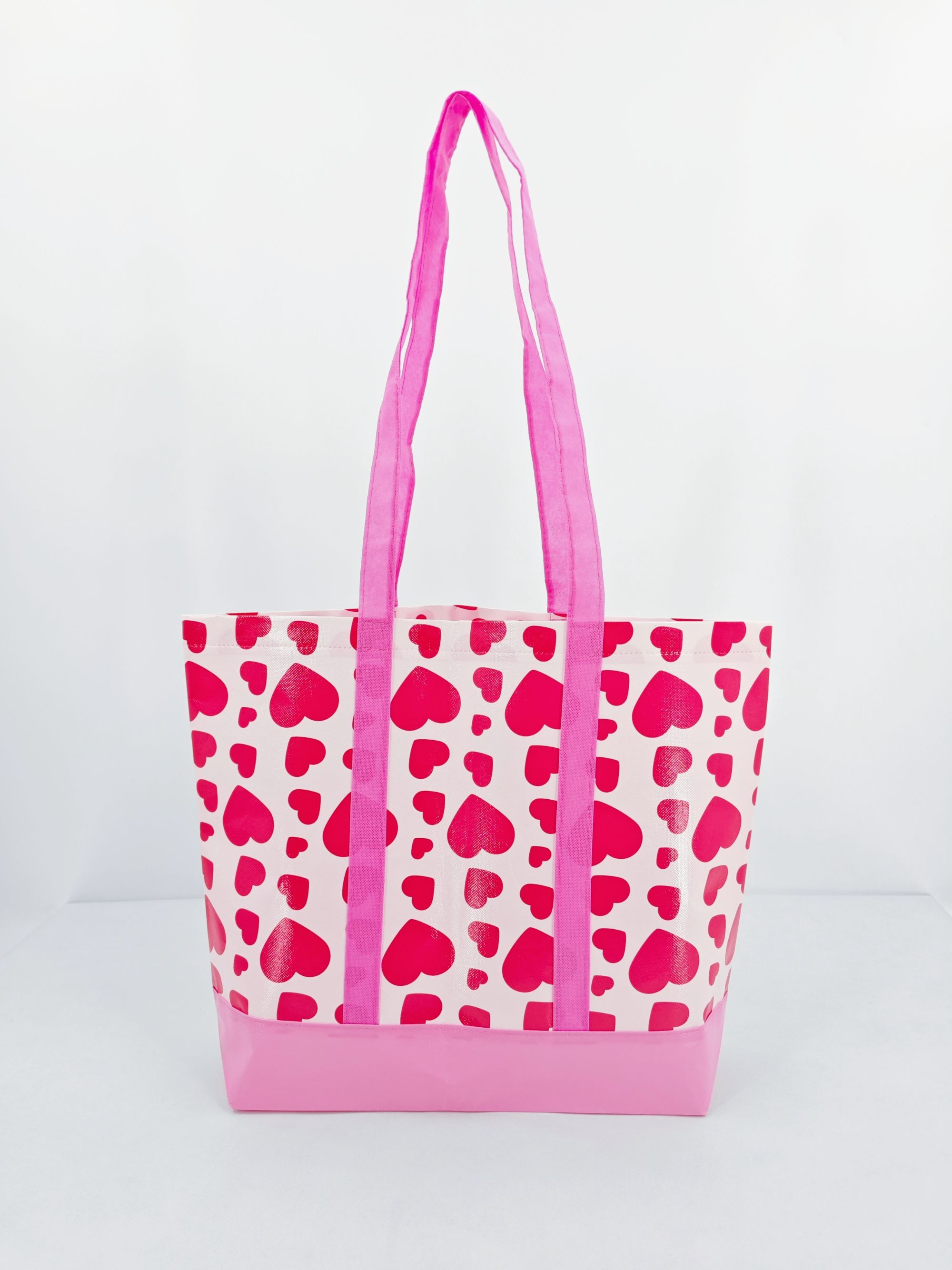
Durability in everyday fabrics rarely hinges on a single factor. GSM, or grams per square meter, tells you how much material is packed into a given area, and that weight directly shapes how a textile tolerates repeated stress. A heavier GSM often means more fibers are sharing the load, so a 220 GSM cotton canvas shrugs off abrasion that would shred a 90 GSM voile. But weight alone is not enough. Two fabrics with identical GSM can perform very differently once seams and stitching enter the picture.
Stitch density is where construction starts to matter. The number of stitches per inch controls how evenly force spreads across a seam. Too few stitches, and you create weak points where individual threads snap under tension. Too many, and the needle perforates the fabric so much that the material fails between the holes. The sweet spot varies by fabric type and intended use, but the principle stays the same: a well-balanced stitch density keeps the seam from becoming the first thing to fail.
Load testing brings these two variables together. By pulling a sample until it breaks, a lab can measure not just ultimate strength but also how the fabric stretches, recovers, and holds under prolonged strain. In real life, that translates to a backpack strap that survives years of shoulder stress, or a sofa cushion that does not split along the piping. GSM sets the baseline, stitch density protects the weak points, and load testing confirms that the whole system works as intended. Without the third, you are guessing. With it, you know exactly how much abuse a textile can take before it lets you down.
Eco-Friendly Claims vs. Reality: Certifications We Actually Hold
Plenty of companies toss around words like 'green' or 'sustainable' without backing them up. We'd rather show you the paperwork. The certifications listed on this page aren't aspirational—they're current, audited, and tied to specific products or practices. That means if you see a GOTS label on our organic cotton, it's because an independent certifier checked the entire supply chain, from farm to finished fabric.
We also hold OEKO-TEX Standard 100 for items that touch your skin, which tests for harmful substances, and FSC certification for any wood or paper packaging we use. These aren't one-time badges. They require regular re-inspection, and we've occasionally dropped a material or supplier when they couldn't meet the standard. It's not a perfect system, but it's a lot more honest than a green leaf icon with no meaning behind it.
Custom Bag Design Without the 500-Piece Headache: Our Sampling Process
Most manufacturers won't touch a custom bag unless you commit to hundreds of units before seeing a single sample. That's backwards. We built our sampling process around a simple idea: you should hold your exact bag in your hands before any mass production begins. No guessing, no bulk deposits, no surprises when the shipment arrives.
Our sampling starts with a one-off physical prototype made from the actual materials, hardware, and stitching techniques specified in your design. You get to test the zippers, feel the lining, check the logo placement, and carry it around for a few days. Changes after that? We revise the sample until it's exactly right—most clients approve within two rounds, but there's no limit as long as you're making meaningful adjustments.
Only after you sign off on the sample do we talk minimum order quantities. That means your first production run isn't a gamble; it's a repeat of something you've already approved. If your design needs color variants or small tweaks, those can be sampled individually without triggering a new bulk order. It's the difference between designing blindfolded and designing with the finished product in your hand.
Why Lead Times Fluctuate and How We Keep Yours Under 25 Days
Lead times shift because production depends on a chain of variables—raw material availability, supplier backlogs, equipment maintenance, and even seasonal freight congestion. When one link slows down, the ripple effect can add days or weeks. Instead of pretending those forces don't exist, we track them weekly and adjust our own scheduling before small delays become late orders.
To keep your timeline under 25 days, we stock the most commonly needed components ahead of time rather than waiting for each order to trigger a full procurement cycle. Our team also runs flexible production blocks twice a week, so a surge in demand doesn't force new jobs to the back of the queue. If a particular material is running low, we switch to pre-approved alternates without pausing the build.
You won't find vague promises here. Each order gets a clear date range at confirmation, and if anything changes, your point of contact updates you directly—not through a generic portal. That combination of buffer stock, adaptive scheduling, and honest communication is how we hold lead times under 25 days even when the broader market is unpredictable.
From Factory Floor to Retail Shelf: Reducing Waste in Every Step
Trimming waste at the factory floor rarely comes from a single sweeping change. It is more often the sum of small, unglamorous adjustments: reprogramming cutting patterns to squeeze a few extra units from each sheet of material, fitting sensors to catch temperature drift before a batch spoils, and giving line workers a daily readout of scrap weight so losses stop being someone else's problem. Plants that treat offcuts and rejected items as data rather than debris tend to find the same 2-4% of avoidable waste month after month, hiding in plain sight.
That careful handling has to survive the journey between loading dock and shelf. A pallet wrapped too tightly can crush packaging at the bottom; a truck idling an extra hour on a warm day shortens the usable life of chilled goods; a retailer ordering to a generic forecast rather than actual sell-through ends up marking down or discarding perfectly edible stock. Waste in this middle stretch often carries no single owner, so the most effective fixes are unglamorous but concrete: shared temperature logs, shorter replenishment cycles, and shelf-life labels that reflect real storage conditions instead of the rosiest scenario.
The final stretch is about not letting good product turn into backroom clutter. Stores that rotate stock by hand, rather than trusting newer arrivals to end up in front, lose less to expiry. Marking down items earlier but in smaller increments keeps them moving without training customers to wait for discounts. Even simple changes, like moving fragile produce away from high-traffic corners where it gets bumped and bruised, can reduce the quiet daily toll that never shows up in a single dramatic loss but adds up to a significant share of total waste.
FAQ
They're typically produced from spun-bond polypropylene, a lightweight but tough fabric that can handle repeated use. Some versions also use recycled PP or add a laminated coating for water resistance.
Much sturdier. A typical non woven bag can carry 10–15 kg without tearing, and the reinforced handles help with heavier loads. With basic care, one bag often lasts for years.
Yes, most factories accept custom dimensions, handle lengths, and even gussets. Printing options usually include screen printing, heat transfer, or full-color digital prints depending on the order size.
They replace hundreds of single-use plastic bags over their lifespan. Since they're reusable and often recyclable at the end of life, they reduce overall plastic waste and resource consumption.
It depends on the factory, but many start around 500 to 1,000 pieces for custom work. Smaller trial orders may be available at a higher unit cost.
After artwork approval, production often takes 10–20 days, and shipping adds another 1–4 weeks depending on the destination and freight method.
Yes, you can wipe them down with a damp cloth or hand wash in cool water. Avoid hot water and machine drying to keep the fabric from shrinking or losing its shape.
Most factories offer pre-production samples. It's common to pay for the sample and shipping, but that cost is often deducted from the final order.
Conclusion
A non-woven shopping bag factory that specializes in eco-friendly reusable bags is not just a supplier—it's a partner in both durability and responsibility. What separates a genuine factory from a trading office is control: we own the production floor, so we can fine-tune GSM, stitch density, and conduct real load testing instead of relying on paper specs. That's why our bags hold up to daily groceries, not just a one-time photo shoot. And when it comes to eco-friendly claims, we don't hide behind vague wording; we hold certifications that are audited, so a customer knows exactly what they're getting.
Custom design doesn't have to mean ordering 500 pieces and hoping for the best. Our sampling process lets you touch, stretch, and load-test a single prototype before committing to bulk, which removes the guesswork. Lead times fluctuate across the industry, but we keep ours under 25 days by balancing raw material stock with lean production schedules—no over-promising, just honest planning. From factory floor to retail shelf, we reduce waste by reusing offcuts, recycling misprints, and optimizing cutting patterns. A reusable bag is only eco-friendly if the process behind it is too.
Contact Us
Contact Person: Tony
Email: [email protected]
Tel/WhatsApp: +8615859766913
Website: https://www.cw-pak.com