

OEM EV Charging Station Solutions for Growing Electric Fleets
2026-11-18
Ask any fleet manager what threatens electrification timelines, and charging usually tops the list. Off-the-shelf chargers simply aren't built for depot-scale duty cycles. That's where OEM solutions come in. BEILIN engineers EV charging stations for fleets that need to scale without sacrificing uptime—setting the stage for a smarter, more dependable charging backbone.
What OEM Charging Stations Deliver That Off-the-Shelf Hardware Can't
Generic charging hardware tends to communicate in broad standards. It sees a vehicle as a request for power and responds with a safe, fixed ceiling. OEM charging stations operate from a much deeper dataset. They monitor cell-level temperature spread, coolant flow, and the battery's own charge acceptance map, then shape the curve accordingly. That kind of closed-loop control is the reason an OEM unit can hold a high charge rate longer without pushing a pack into a state that accelerates wear.
The same applies after the session ends. Off-the-shelf equipment typically records a pass or fail. An OEM station can tie that session record to the vehicle's internal logs and distinguish between a worn contactor, a routine thermal derate, and a connector that needs replacement. For a shop or fleet, that removes the usual blame game and shortens the path from warning light to repaired hardware.
There's also the less visible matter of design validation. An automaker doesn't simply test its charger to a published standard; it runs the unit through the same durability and climate cycles as the vehicle's powertrain. That includes specific battery chemistries, repeated hot-soak conditions, and software regression tests. Generic hardware may be perfectly competent in isolation, but it hasn't been through the same narrower, chemistry-specific gauntlet.
Designing Depot Charging Around Peak Fleet Schedules
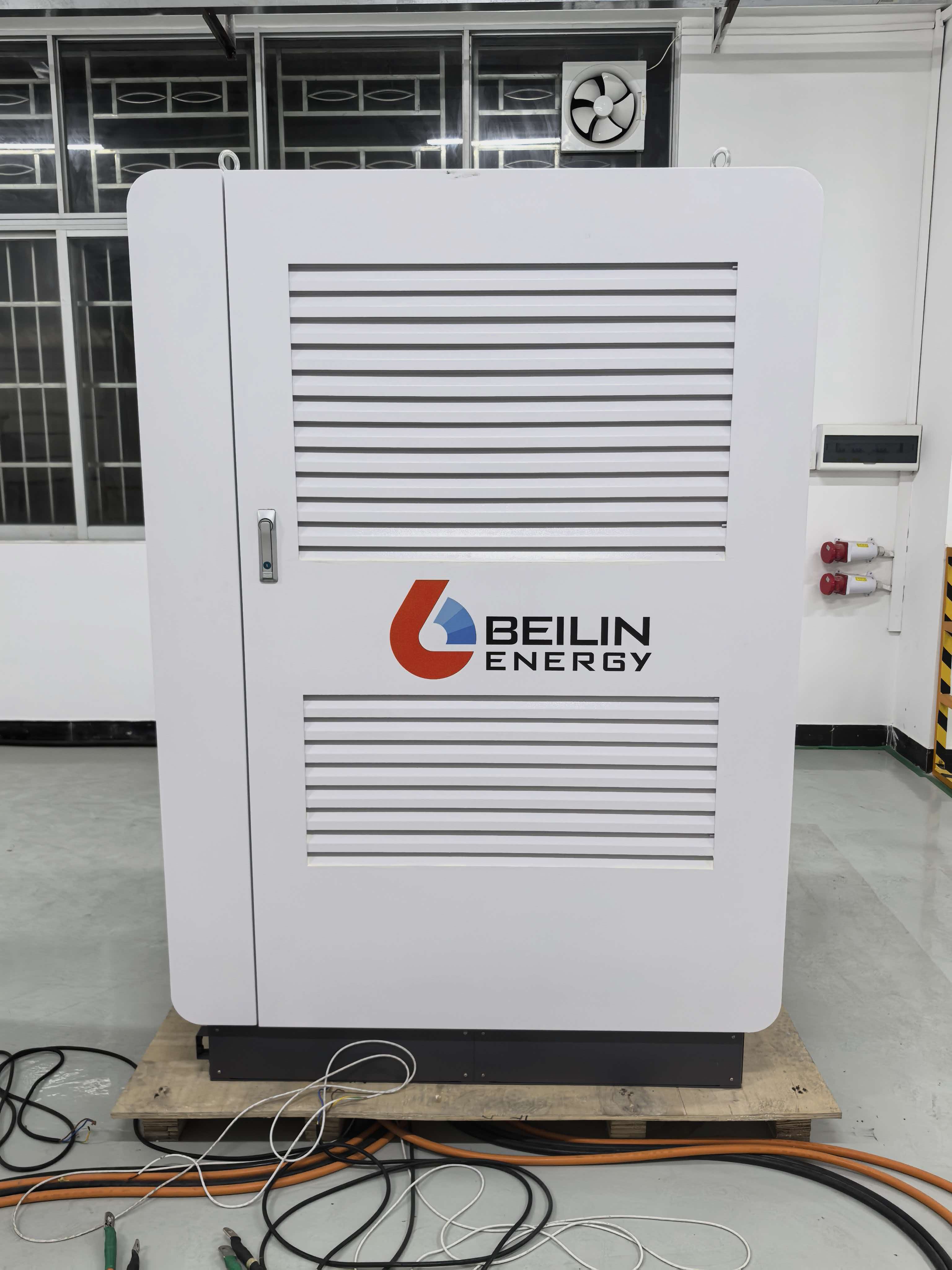
Fleet return waves rarely line up with the nameplate peak hour on a utility bill. Start with actual block-level pull-in and pull-out timestamps, then separate vehicles into early, midday, and late return groups. The charging plan should follow those clusters rather than assuming every bus or truck needs a full charge the moment it enters the yard.
Position high-power dispensers near the lanes that handle the largest return wave, but leave slower pedestals along the back fence for vehicles parked overnight. Assigning chargers by dwell time prevents a 30-minute layover vehicle from blocking a 350 kW unit while a long overnight vehicle trickles on the only fast charger. A simple queuing rule—short dwell first, long dwell to the perimeter—keeps peak-hour traffic moving without adding new hardware.
Build in a small buffer of unused capacity during the busiest two-hour window. Routes shift, weather changes energy draw, and one delayed return can cascade into missed departures if every slot is booked to 100 percent. Ten to fifteen percent headroom, combined with load management that temporarily drops power to overnight chargers, usually absorbs that variability better than a larger electrical service alone.
Why Growing Fleets Are Moving Toward Custom Branded Chargers
Fleet managers used to treat charging hardware as back-of-house infrastructure, but that mindset is shifting quickly. A branded charger does more than deliver kilowatts; it turns an ordinary depot corner into a visible statement about how the operation sees itself. Drivers notice when the equipment matches the livery on their trucks, and that small consistency can make the difference between a stop that feels temporary and one that feels like home base.
There’s also a practical layer behind the branding push. Custom wraps, color-matched housings, and clear operator signage help drivers spot the right unit from across a crowded yard, especially at night or during shift changes. For growing fleets, that reduces confusion and keeps vehicles moving through charging windows without extra radio chatter or missed plugs.
The external impression matters too. When clients, contractors, or local officials visit a facility, branded chargers quietly reinforce that the operation is organized and invested in its own future. Unlike generic gray boxes that fade into the background, custom units become part of the fleet’s identity and give the whole site a more deliberate, finished look.
Sizing Charger Capacity for Mixed Vehicle Types and Routes
Fleet depots rarely charge a single vehicle model. Buses, light-duty vans, and medium-duty trucks often share the same yard, each bringing different battery sizes, charging curves, and dwell times. Sizing charger capacity for this mixed profile starts with a granular look at daily energy throughput rather than just counting vehicles. Group vehicles by their route blocks and return-to-depot windows, then map those windows against the charging power needed to recover the required state of charge before the next departure. A rigid assumption of uniform charging demand will either strand vehicles at low battery or force expensive overbuild.
A practical approach is to build several demand scenarios using actual telematics data. For each vehicle class, extract the distribution of return times and the energy deficit at return. Then simulate the charging load under different charger mixes: high-power DC units for quick-turnaround buses, mid-power AC for overnight vans, and a flexible buffer for unexpected reroutes or seasonal demand shifts. The goal is not to size for the absolute peak of all vehicles arriving simultaneously, but for the 95th percentile of overlapping charging sessions while maintaining a reserve margin. This avoids the common trap of installing chargers that sit idle most of the day.
Finally, consider phased deployment and multi-port chargers that split power dynamically. Mixed fleets benefit from chargers that can allocate 150 kW to one bus or split it into 50 kW for three vans, matching the variability of real-world arrivals. Validate the plan against a worst-case recovery window: if a short-route vehicle returns with a low battery only 30 minutes before its next block, is there enough headroom in the shared capacity? Iterating this model with operational constraints produces a charger count and power mix that balances capital cost, grid limits, and service reliability across the entire mixed fleet.
Connecting Charging Assets to Fleet Telematics Without Extra Hassle
Fleet telematics already knows where every vehicle is and how it is being driven. Charging hardware usually lives in a separate dashboard with its own login, its own alerts, and its own data export. Bridging that gap has traditionally meant custom development or manual CSV uploads. It does not have to. A direct link between charging assets and the telematics platform can be switched on without replacing wall boxes, adding middleware, or asking drivers to use another app.
The connection works through standard open protocols already supported by most modern charge points. Once activated, charge sessions, power draw, connector status, and fault codes appear alongside existing vehicle data. There is no duplicate record-keeping. If a van returns to the depot at 40 percent state of charge, the operations team sees that in the same view they already use for routing and maintenance. If a charger stops responding overnight, the alert reaches the right person before the morning shift.
That kind of visibility removes the small frictions that usually eat up a fleet manager's day. Energy costs can be assigned to a route or a driver without reconciling two different reports. Chargers that sit idle can be reassigned or shared. The goal is not to create a bigger dashboard, but to make charging feel like a normal part of fleet operations rather than a separate infrastructure project.
Managing Multiple Site Installations as Your Fleet Expands
Scaling from a handful of locations to a larger fleet changes what actually breaks on the ground. What used to be a quick mental note about a site's quirks becomes unmanageable once you have fifteen or twenty installs spread across different regions. Keeping a simple digital folder per site, with photos of the final wiring, panel ratings, and any local inspection notes, saves more time than it costs. The goal is not perfect documentation but making sure the next person can walk in without guessing.
A shared status board works better than long email threads when several crews are installing at once. Mark each site as survey complete, equipment staged, installed, commissioned, or waiting on a utility inspection. This gives the office and field teams a common view without forcing everyone into the same workflow. Let each region handle its own permit quirks and scheduling, but require a few consistent updates so stalled work becomes visible before it turns into a missed deadline.
As the number of active sites grows, also build a short handoff note for every completed installation. Include the model numbers, how the equipment was configured, and any odd behavior noticed during startup. Future service calls then start with context instead of another full site survey. Remote diagnostics help, but they only pay off when the people responding have reliable records about what was installed and where.
FAQ
It usually includes the charging hardware, embedded firmware, communication modules, and options for cable management or pedestal mounting. The goal is to let fleet operators add charging capacity without redesigning the site every time.
Many units support adjustable power delivery and different connector layouts. That allows a depot to charge light vans, box trucks, or service vehicles from the same hardware family without installing separate systems.
Yes. OEM builds often allow custom faceplates, cable lengths, display layouts, and housing colors. The software can also be configured to show fleet-specific metrics or operational messages.
Common options range from 7 kW AC for overnight parking to 150 kW or higher DC for quick turnaround. Some manufacturers offer modular power cabinets that can be expanded as the fleet grows.
They typically use replaceable modules, remote diagnostics, and local surge protection. If one power module fails, the rest of the station can often keep operating while a replacement is scheduled.
Generally, yes. Most OEM units expose open protocols like OCPP, so charge data, session control, and fault alerts can flow into the tools a fleet already uses without building a separate dashboard.
Clear vehicle paths, cable reach, ventilation for power cabinets, and room for future expansion matter most. Starting with pre-wired infrastructure can reduce costs when adding chargers later.
Many are designed for outdoor year-round use with sealed enclosures, wide temperature ranges, and corrosion-resistant finishes. Indoor versions can be simpler, but most fleets benefit from outdoor-rated hardware.
Conclusion
Fleet operators quickly learn that standard charging hardware has limits once vehicles return in waves and routes differ from one day to the next. OEM charging stations remove much of that friction by shaping power delivery around actual depot activity instead of forcing a one-size-fits-all schedule. Peak return windows receive faster charging, while slower overnight sessions handle vehicles with longer dwell times. Custom branded units also give a growing fleet a cleaner, more consistent look at depots and satellite yards, which matters more as drivers and clients encounter the equipment every day and begin to expect a familiar charging experience.
The operational benefits go beyond the hardware itself. Charging assets can be connected to existing fleet telematics without building a separate monitoring workflow, so charger faults, energy use, and vehicle readiness appear alongside the data managers already use. Capacity planning for mixed fleets becomes less guesswork when charger sizing reflects battery size, route length, and available charging windows. That reduces idle hardware and prevents bottlenecks during busy evening returns. As operations expand across multiple sites, OEM support keeps installation standards, maintenance routines, and software versions aligned, sparing fleet teams from juggling different vendors and inconsistent service schedules as new locations come online. This consistency quietly lowers the long-term cost of keeping a growing electric fleet charged.
Contact Us
Contact Person: Jason
Email: [email protected]
Tel/WhatsApp: 8615876017548
Website: https://www.bei-lin.com/