

OEM LED Headlight Bulb Upgrades That Transform Night Driving
2026-11-16
Most drivers don't realize how much they're missing until they swap out those dim halogen bulbs for a proper OEM-grade LED upgrade. Night driving stops being a strain and starts feeling like an advantage. That's exactly what LUXFIGHTER has been engineering for—headlight bulbs that fit like factory equipment but throw light where you actually need it. Here's what makes the difference.
The First Thing You Notice Is the Missing Dark Patches
The absence hits you before anything else. Those uneven, shadowy blotches that used to pull your gaze toward the flaws are simply gone, leaving behind a surface that reads as quietly uniform. It’s not a blankness—more like a reset, the way a room feels after someone has cleared away clutter you’d stopped seeing.
Look closer and the texture still has depth, but the drama is missing. Where dark patches once broke up the light, there’s now an even tone that lets the actual shape and detail come through. That shift is what makes the change feel so substantial: you’re not just noticing what’s been removed, but how much easier it is to see everything else.
No, Brighter Doesn't Mean Blinding Everyone Else
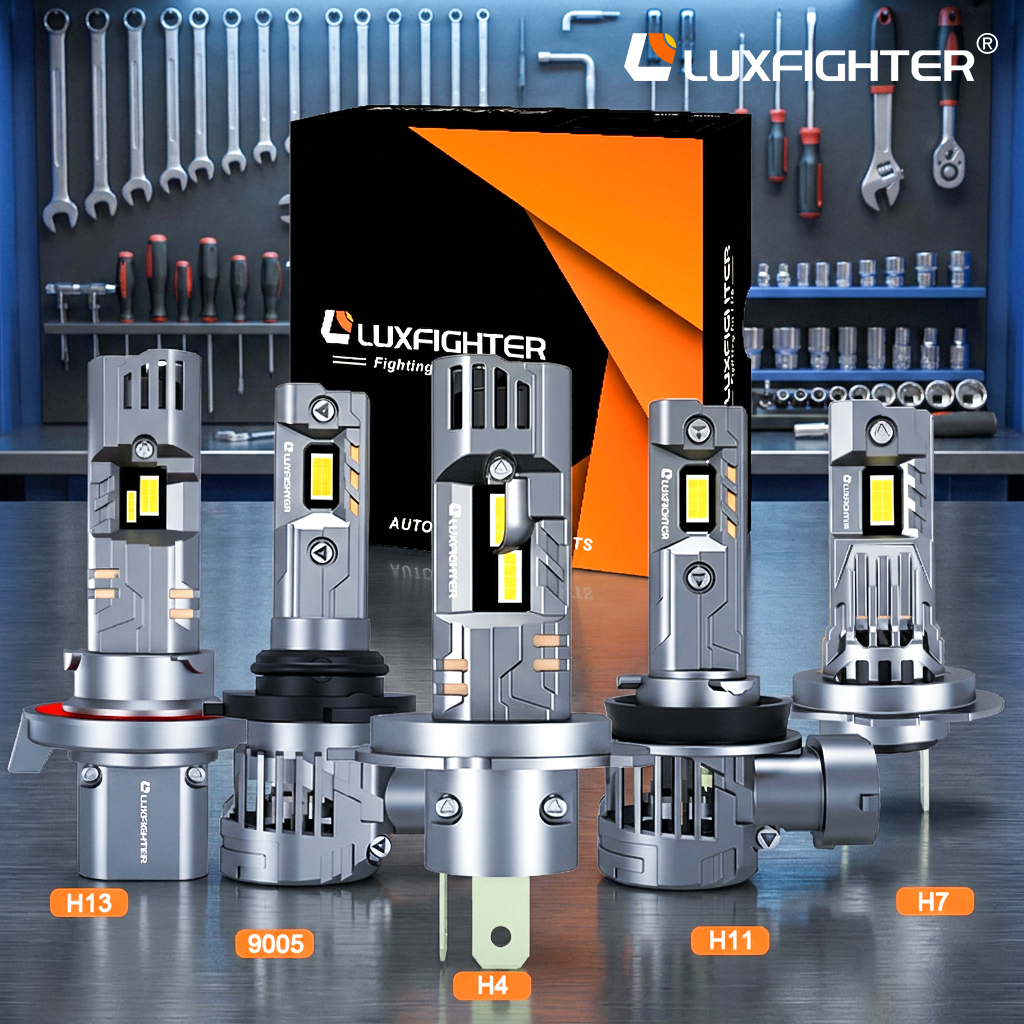
There is a common misconception that pushing for higher brightness in displays, headlights, or even workplace lighting automatically translates to blinding everyone in the vicinity. The reality is far more nuanced. True brightness, when designed thoughtfully, means enhancing visibility exactly where it is needed while carefully managing glare and light spill. It is not about flooding a space or a road with raw lumens, but about directing light intelligently so that the user gains clarity without turning the environment into an uncomfortable or hazardous place for others.
Consider modern adaptive headlight systems: they can remain on high beam while selectively dimming only the portion of light that would hit an oncoming driver. The result is a brighter view of the road ahead for the person behind the wheel, yet no one else is dazzled. The same principle applies to screen technology. A brighter panel does not have to mean a harsh, eye-searing experience; it can mean better contrast in sunlight, improved readability in varied ambient conditions, and more precise local dimming that keeps dark areas truly dark. The goal is controlled intensity, not indiscriminate output.
Ultimately, responsible brightness is about balance. It respects the needs of the user without ignoring the comfort and safety of everyone else. When we say something is brighter, we should mean it performs better in its intended context—whether that is a monitor, a flashlight, or a streetlight—without turning every beam into a weapon against unwitting eyes. The distinction matters, because shedding more light should never mean showing less consideration.
A 20-Minute Parking Lot Swap That Actually Works
The idea sounds almost too simple: pick a busy lot, agree on a time, and swap items without ever leaving your car. But the difference between a sketchy handoff and a smooth 20-minute exchange comes down to a few unspoken rules that most people skip.
First, pick a spot near a security camera or a highly visible entrance—not the far corner where nobody can see you. Text a photo of the exact location and your vehicle description before you arrive. Once both cars are in place, do a quick visual check of the item from a few feet away, then pop the trunk or roll down a back window to make the trade. No need to meet face-to-face for more than a few seconds.
The real trick is timing. Set a hard 20-minute window and stick to it. If the other person is late by more than five minutes, leave. That sounds harsh, but it filters out time-wasters and keeps the whole thing from turning into an hour-long negotiation in a parking lot.
Why 6000K Isn't the Only Answer
Walk into most lighting aisles and 6000K stares back from every shelf, marketed as the crisp, clean default for modern visibility. It leans hard on cooler wavelengths that keep you alert, which is why it dominates workshops and security fixtures. But that same icy cast can flatten textures, wash out warm materials, and make a living room feel like a loading dock. The eye doesn't need a fixed color temperature to see clearly; it needs the right contrast for the task at hand.
Shift down to 4000K and the difference is rarely about dimness—it's about neutrality. A neutral white lets wood grain, skin tones, and painted surfaces read closer to how they look under early afternoon sun, not an overcast lab bench. In kitchens or offices where you spend hours, this middle ground reduces the slight visual fatigue that comes from a relentless blue-white spike. Many people mistake brightness for whiteness, but perceived clarity often improves when the light stops fighting the colors it's supposed to reveal.
Some spaces ask for even warmer light, around 3000K, not because they're dim or old-fashioned but because the activity there is social or restful. A dining table under 6000K can make food look sterile; the same meal under 3000K looks inviting. The real point is that color temperature is a tool, not a ranking. Matching the light to the room's purpose—and to how long you'll be in it—matters more than chasing a single number as if it were a universal upgrade.
Wet Roads, Sharp Shadows, and Less Guesswork
Rain leaves the asphalt glossy, and every brake light smears into a long red ribbon. You learn to read the shine: fresh oil floats up in rainbow patches, puddles hide potholes, and the tires sound different when they cross a slick spot. It's not about slowing down for everything—it's about knowing which glint means standing water and which is just a harmless reflection.
Then there are the shadows. Streetlights cut hard lines across the road, and after rain those edges seem sharper, almost solid. A dark patch could be a shallow dip or a deep rut. Your eyes play tricks, mixing shadow with wetness until you second-guess the steering. That hesitation, at forty miles an hour, feels longer than it is.
What changes is when the car starts reading the road with you. Sensors that map the surface, headlights that bend into corners, and a stability system that reacts before your foot does. The guesswork fades. You still watch the shine and the shadows, but now they're just scenery, not warnings.
Three Months In: What Changes After the Novelty Wears Off
By the third month, the shine has dulled in ways you didn't expect. The first few weeks were full of small discoveries and the urge to tell everyone about them. Now the same routine feels less like an adventure and more like background noise. You start noticing the parts that are friction-heavy: the weekly meeting that could have been an email, the kitchen cleanup that nobody volunteers for, the silent trade-offs you made without realizing.
What actually shifts is your attention. Instead of asking “is this still exciting?” you begin asking “does this still fit?” Some early habits drop away because they were only held up by enthusiasm. Others harden into real structure, not because you feel like it, but because you've stopped negotiating with yourself. That's the quiet part nobody posts about: three months is when preference turns into practice, or quietly falls apart.
FAQ
You notice roadside reflectors and pedestrians much sooner. The beam stays more uniform than old halogens, so your eyes don't have to work as hard on unlit roads, and the whiter light makes signs easier to read at a glance.
Most quality OEM LED kits include built-in resistors or decoding circuits to mimic halogen draw, but some European models still need an extra CANbus adapter. A quick check against the bulb's compatibility chart before buying saves a lot of guesswork.
For many cars, yes. You twist out the old bulb, seat the LED base the same way, and tuck the driver module inside the housing. Tight spaces behind the headlight might require removing the airbox or battery cover, but it rarely takes more than 30 minutes.
Not if the LED chip is positioned exactly where the halogen filament would sit. A well-designed bulb keeps the cutoff sharp in a reflector or projector housing. After install, park facing a wall and adjust the beam downward if the hot spot sits too high.
Halogens radiate heat forward through the glass, while LEDs push it backward into the base. That's why decent upgrades use a copper core and either a small fan or braided heat sink. Without proper cooling, output drops quickly and the driver can fail within months.
Yes. 6000K looks brighter because it's cooler white, but it scatters more in rain and fog. 4300K to 5000K lands closer to natural daylight, giving better contrast on wet pavement and reducing that harsh glare bounce-back.
If your car uses separate bulbs for high and low, you can start with the low beam since that's what you use most. On single-bulb dual-filament setups, replace all housings at the same time so the color and brightness stay consistent side to side.
Under normal conditions, well-built OEM LED bulbs last 20,000 to 30,000 hours, which often translates to five to eight years of regular night driving. Actual life depends heavily on heat management and stable voltage, so avoid cheap kits with tiny fans that clog with dust.
Conclusion
Swapping in a well-engineered set of OEM-grade LED bulbs changes what you actually see after sunset, not just the color of your headlights. The first thing you notice is the absence of those dead zones that halogens leave across the lane—dark patches near the shoulder and just beyond your cutoff line disappear. The beam spreads more evenly, so your eyes stop darting between bright spots and shadows. Objects at the edge of the pattern no longer dissolve into a murky haze. And because the optics are designed to mimic the original halogen filament position, the extra output doesn't scatter upward into oncoming traffic. You get a sharper cutoff, less glare for other drivers, and a focused pool of light exactly where you need it.
Installation is another thing people assume will be a project, but on most vehicles it's a twenty-minute parking-lot job with no splicing or ballast mounting. Once they're in, you realize 6000K isn't the only useful color temperature. A slightly warmer 5000K or even 4300K often reveals more texture on wet asphalt, where a pure blue-white beam can wash out details. After a few months of driving, the real difference shows up in rain and on unlit back roads: you read corners earlier, spot pedestrians sooner, and brake with less guesswork. You also stop second-guessing the beam height; once it's set, the pattern holds without the slow dimming you get from aging halogens. The novelty of brighter lights fades; what remains is simply seeing the road more clearly.
Contact Us
Contact Person: Gavin Chen
Email: [email protected]
Tel/WhatsApp: (+86)756-6831079
Website: https://www.luxfighter.com/