

OEM Swim Cap Customization Options for Your Swim Brand
2026-08-31
Chlorine eats most caps. Logos fade. Fit is a gamble unless you control the specs. That's exactly why OEM swim cap customization options matter for your swim brand—and why OCORT treats them as brand assets, not just accessories. Before you order another batch of off-the-shelf caps, here are the details worth locking in.
Silicone Versus Latex and the Unexpected Blends Worth Trying
Silicone and latex feel nothing alike once you pay attention. Latex has that thin, stretchy snap—almost like a second skin that moves with you, but it carries a rubbery smell and can trigger reactions in people with sensitivities. Silicone, by contrast, sits smoother and heavier on the skin, holds temperature longer, and rarely causes irritation. The trade-off is flexibility: pure silicone doesn’t stretch as eagerly, so it can feel more rigid in certain uses.
What’s more interesting is what happens when manufacturers stop treating these as either/or. Some newer blends combine silicone’s low-allergy surface with a latex core to balance stretch and softness. Others mix silicone with polyurethane or TPE to get a texture that’s not quite slick, not quite tacky. These aren’t gimmicks—they solve specific problems like tearing at stress points or that unpleasant drag you get with some pure materials. If you’ve only tried classic latex or standard silicone, a blended option might surprise you.
Full-Color Prints That Survive Stretch, Chlorine, and Sun Exposure
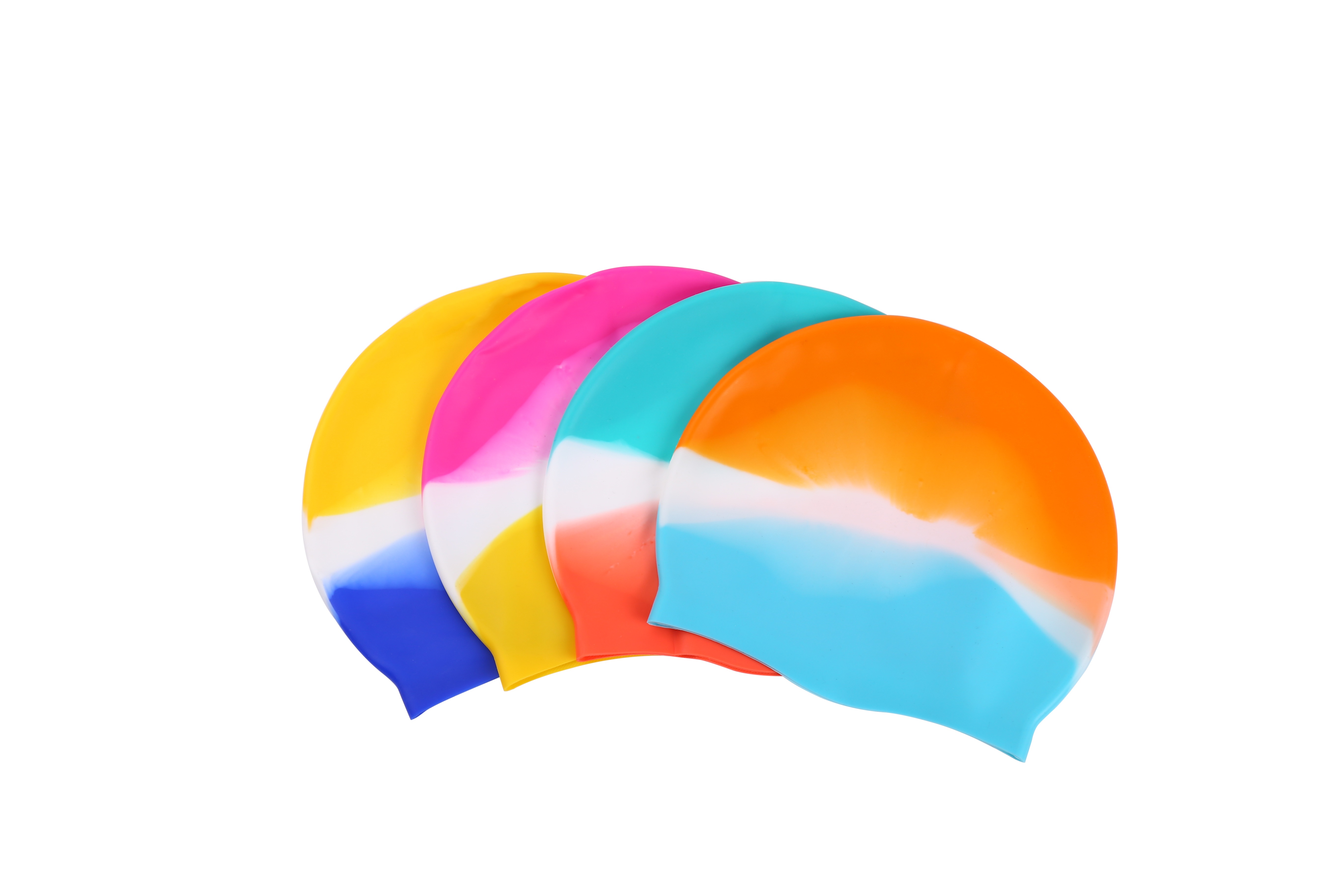
You know that favorite swimsuit—the one you reach for every weekend, the one that's been through countless pool laps and beach naps. Most printed fabrics give up after a season or two. The ink cracks where the fabric stretches, the chlorine eats away at the vibrancy, and the sun leaves behind a pale ghost of the original design. Our full-color prints are built differently. The pigments bond directly into the fibers, so when the fabric flexes and recovers, the image moves with it instead of breaking apart. That means no fine lines splitting across the hip or chest, no flaking along the seams.
Chlorine is brutal on standard dyes—it lifts color like a slow bleach bath, turning bright patterns into washed-out memories. We use a specialized ink set that resists chemical degradation, so even after months of regular pool use, the reds stay red and the blues don't drift toward gray. Sun exposure is just as harsh, but the UV-stable pigments we chose don't fade in the same way conventional prints do. You can leave your gear drying on the balcony or spend a full day at the beach without watching your favorite print slowly disappear.
The real test came from a customer who swims three times a week in an outdoor saltwater pool. After a full year, she sent us a photo—the print still looked crisp, with no visible cracking around the high-stretch zones. That's the kind of durability we design for, not just a lab test but the messy, repeated wear of real life. If your old suits are fading, stretching out, or peeling, it's time to switch to prints that actually last.
Sculpted Crowns and Grip Textures That Stand Out on the Blocks
The top face of each block is shaped with a gentle crown rather than left completely flat. That curve gives your palm a natural seat, so pressure doesn't pool at the edges when you lean into a lunge or stack the blocks for a supported backbend. It feels intentional in the hand, not like a cutting leftover.
The grip texture does the real work once you start moving. Fine ridges and shallow dimples run across the main contact areas, catching skin without turning tacky or abrasive. You can push through a sweaty flow or hold a long static pose and the block stays put, yet it still lets you pivot and slide when you need to adjust.
What sets these apart is how the crown and texture work as one surface. The raised center fades into the textured field, so there's no hard lip or seam to annoy your wrists. It wears in slowly, picking up small marks that make it feel more like a tool you've had for years than a brand-new accessory.
Inner Linings and Seam Placement for Chafe-Free Training Sessions
Friction has a way of turning a solid training block into a countdown to discomfort. The usual suspects—waistbands that dig, side seams that rub with every stride, and linings that bunch after the first set of burpees—rarely announce themselves until you're already mid-session. It's not just about fabric choice; the real difference lives in how the inner lining is mapped against high-movement zones and where the seam lines fall when your body shifts from squat to sprint.
Think of the inner lining as the layer you're actually training in: if it's cut too narrow through the gusset or stitched with a bulky overlock seam down the inner thigh, you'll feel every repetition. Better designs flatlock the critical junctions, then step the seam placement slightly forward or back so they don't sit directly over the adductor crease. A floating liner—attached only at the waist and leg openings—lets the outer shell slide independently, which prevents that familiar pinch when you lunge deep or ride an assault bike.
The goal is to forget the garment exists. When the lining follows the contour of the hip flexor without pulling, and the side seams are angled away from the iliotibial band, chafe-free hours become the default, not the exception. Test it on a long row, a humid run, or back-to-back mat circuits: if you're not adjusting, the seam placement is doing its job.
Brand Marks Beyond the Logo with Debossing and Contrast Trim
A printed logo can sit flat, but a debossed mark changes how people interact with packaging. The recessed surface invites fingertips first, and that small physical cue signals care before anyone reads a word. When the debossed area is framed with a contrast trim—say a pale edge against deep navy or a neon line around matte black—the mark stops being just a stamp and starts working as a compositional anchor.
The trim does more than outline. It catches light differently than the recessed center, so the eye moves between the crisp border and the shadowed interior. This creates a subtle tension that flat printing rarely achieves. Because the contrast picks up the exact shape of the debossed zone, even simple wordmarks or monograms gain a structured, almost architectural feel without extra clutter.
On rigid boxes, thick cardstock, or uncoated sleeves, this combination holds up especially well. The deboss reads as intentional, and the trim gives the edges enough definition to survive handling and shelf wear. It also lets secondary brand elements—like a small emblem or initials—carry more weight, so the overall identity doesn’t rely on a large, loud logo to be remembered.
Small Batch Production for Swim Clubs and Indie Brands
We skip the giant factory runs and work in limited batches, usually between 50 and 300 pieces per style. That means a swim club can order team suits without committing to thousands of units, and an indie brand can test a new cut without drowning in inventory. Each batch is cut, sewn, and finished by a small crew that handles the same fabric from start to finish, so the fit stays consistent from the first suit to the last.
Because quantities stay low, we can actually pay attention to what makes a garment feel right: the way a strap sits on the shoulder, how the leg opening recovers after a long swim, whether the lining stays put during a flip turn. These are details that get lost when a factory is pushing out 10,000 units a week. For small teams and emerging labels, that kind of feedback loop is the difference between a product people reorder and one that ends up in a clearance bin.
Low minimums also mean you can experiment without gambling your whole season. Order a handful of samples, tweak the rise or the color blocking, then commit to a small run once you see how it moves. We’ve printed runs as short as 30 suits for a swim club fundraiser and as long as 400 for an indie label’s capsule drop. The point isn’t volume—it’s giving small operators the same control over fit and fabric that the big brands take for granted.
FAQ
You've got a few solid options here. Most brands go with silicone because it stretches well, resists tearing, and feels smooth against hair. Latex is cheaper and thinner, but it snags more easily and doesn't last as long. There's also fabric-lined silicone if you want extra comfort and less hair pulling. For competitive swimmers, pure silicone is usually the best balance of durability and fit.
That depends on the printing method. With screen printing, you're typically limited to one or two spot colors per side because each color needs its own screen. If you want full-color logos, gradients, or photorealistic images, heat transfer printing is the way to go, though it may cost more per unit. We always recommend simplifying your logo to a bold, high-contrast design so it stays readable when the cap stretches.
For fully custom molds or colors, you're usually looking at around 500 to 1,000 pieces to keep costs sane. But if you can work with stock cap shapes and just add your logo, many factories will accept orders of 100 to 300. I'd suggest starting with a lower quantity if you're testing a new design, then scale up once you know the cap fits your customers well.
Yes, most OEM manufacturers can do Pantone matching for silicone color, though there's sometimes a small tolerance of plus or minus five percent due to material blending. For printed logos, exact Pantone matching is easier with screen printing. Just provide the Pantone codes early, and ask for a physical sample before production to avoid surprises.
Vector files are always best — AI, EPS, or PDF with outlined text. They can be scaled without losing sharpness, which matters when the cap stretches. If you only have a high-res PNG or JPG at least 300 DPI, that can work for heat transfer, but screen printing really needs vector. Avoid low-res web images because they'll turn out blurry.
After you approve the pre-production sample, standard production runs about 20 to 30 days. If you need custom mold work, add another 15 to 20 days for mold making and testing. Shipping time is separate, so factor that in. A reasonable total lead time from art approval to delivery is often 5 to 7 weeks.
Some factories now offer silicone blends with a percentage of recycled silicone or bio-based additives, though performance can vary slightly. You can also choose minimal packaging or biodegradable poly bags to reduce waste. If sustainability is a core brand value, ask for certifications like REACH or OEKO-TEX on the materials. It's not a huge menu of options yet, but it's growing.
Absolutely. Once the caps are produced, you can add custom header cards, hang tags, or even individual poly bags with your logo printed. Some brands go as far as custom boxes for retail display. Just keep in mind that each packaging extra adds a bit to the per-unit cost and production time.
Conclusion
Custom swim caps have moved far beyond a simple logo stamp. For OEM projects, the real conversation starts with material choice: silicone remains the go-to for its smooth, durable surface and excellent print clarity, but latex still has a place for budget-conscious bulk orders, and unexpected blends—such as silicone with a softer inner coating or latex hybrids—are quietly gaining traction among brands that want a different hand feel. Pair that with full-color printing that is engineered to survive repeated stretch, harsh chlorine, and long sun exposure, and you get a cap that actually performs in the pool instead of fading after a few sessions. Sculpted crowns and subtle grip textures are the next differentiator; they can break up the silhouette on the blocks and keep the cap from sliding during a race, while an inner lining or carefully placed seams remove the chafing that ruins long training sets. Even brand identity can go beyond the logo, with debossed marks, contrast trim, or colored edge binding adding a premium touch that feels intentional rather than printed-on.
For swim clubs and indie brands, the best part is that none of this requires a massive production run. Small batch OEM programs now allow you to mix several of these options into a single order, from matte silicone crowns with a glossy grip band to latex-free caps with a debossed side mark and contrast piping. That flexibility lets a young brand test a unique look without committing to thousands of units, while still delivering gear that swimmers actually want to keep wearing. It also means you can build a signature cap that stands out at meets and practice alike—one where the material, finish, and trim all work together instead of relying on a generic one-color print. In a crowded accessory market, that kind of thoughtful customization is what turns a basic swim cap into a recognizable part of your brand story.
Contact Us
Contact Person: Wendy
Email: [email protected]
Tel/WhatsApp: 86 18807398467
Website: https://www.zlfswim.com