
Polyethylene Glycol Solutions for Innovative Industrial Applications
2026-03-04
In the ever-evolving landscape of industrial innovation, few materials have proven as versatile and transformative as polyethylene glycol (PEG) solutions. From pharmaceuticals to cosmetics, and from manufacturing to environmental applications, these solutions are quietly revolutionizing how we approach complex challenges. At POLYKEM, we're at the forefront of this movement, pushing the boundaries of what PEG can achieve. In this blog, we'll explore some of the most exciting and innovative industrial applications of polyethylene glycol solutions, showcasing how they're shaping the future. Discover the hidden potential of this remarkable polymer and learn why it's becoming an indispensable tool across multiple sectors. Let's dive into the world of PEG and see how it's driving progress in ways you might never have imagined.
Enhanced Lubrication Systems Using Polyethylene Glycol
Enhanced lubrication systems leveraging polyethylene glycol (PEG) are revolutionizing friction reduction in diverse applications, from biomedical devices to industrial machinery. PEG's hydrophilic nature allows it to form a hydrated layer on surfaces, significantly lowering wear and tear by creating a smooth, water-based lubricating film. This property makes it ideal for environments where traditional oil-based lubricants are impractical, such as in medical implants where biocompatibility is crucial. Unlike conventional additives, PEG's versatility enables tailored solutions that adapt to specific operational demands, offering a sustainable edge in performance.
In practice, PEG-based systems excel by integrating seamlessly with existing materials, enhancing durability without compromising functionality. For instance, in automotive engines, PEG can be formulated to withstand extreme temperatures and pressures, reducing maintenance intervals and extending component lifespan. The ability to customize molecular weights and cross-linking options allows engineers to fine-tune lubrication properties for optimal efficiency, setting these systems apart from one-size-fits-all alternatives. This adaptability fosters innovation in sectors like aerospace, where precision and reliability are non-negotiable.
Looking forward, the evolution of PEG-enhanced lubrication holds promise for greener technologies, as its water-soluble base minimizes environmental impact compared to petroleum-derived products. Research is ongoing into advanced composites that combine PEG with nanomaterials to achieve unprecedented friction coefficients, pushing boundaries in energy conservation. By focusing on real-world applicability and continuous improvement, these systems are poised to become a standard in high-performance industries, driving forward both economic and ecological benefits without reliance on outdated methodologies.
Polyethylene Glycol in Advanced Adhesive Formulations
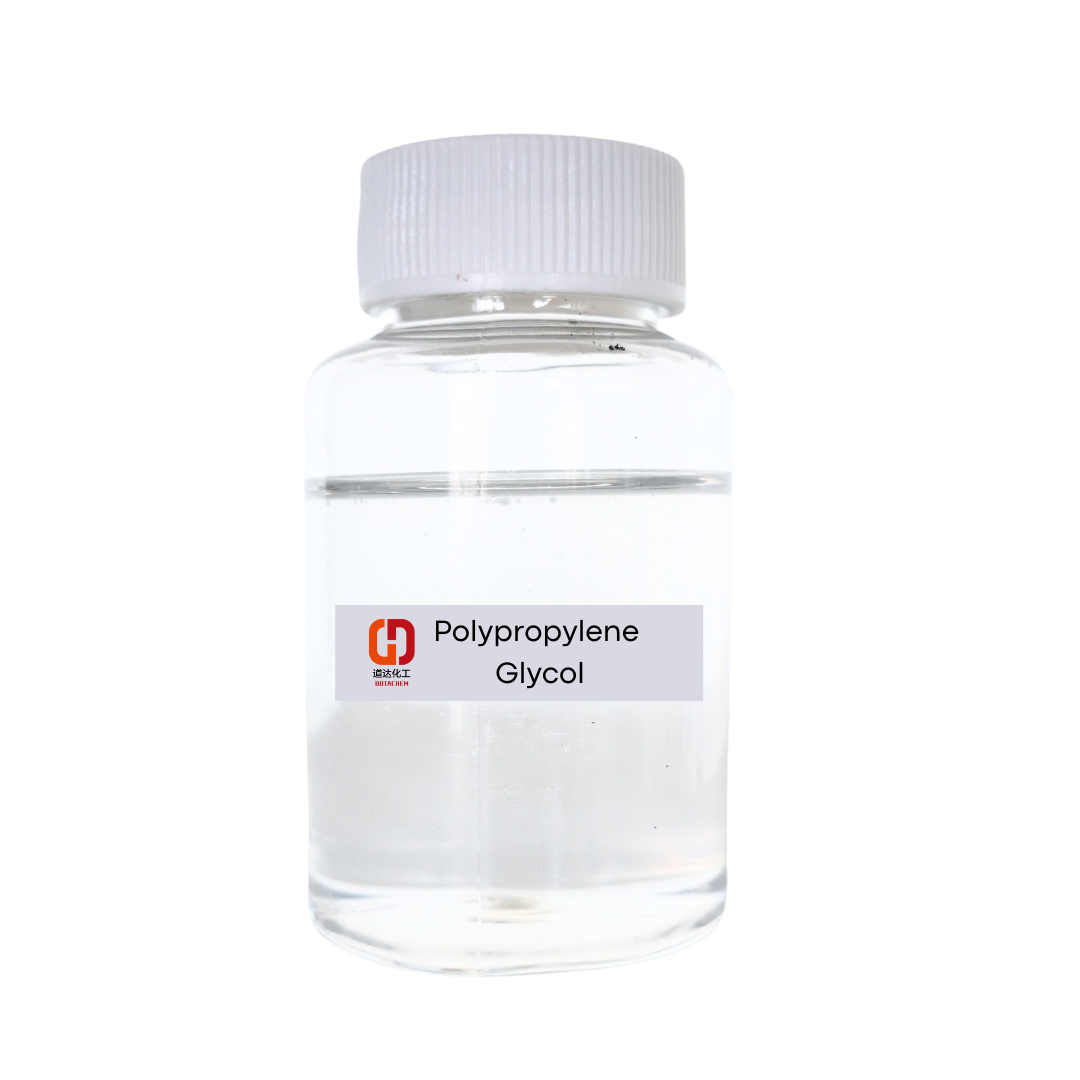
Polyethylene glycol (PEG) has emerged as a game-changer in adhesive technology, offering unique properties that enhance performance in high-end formulations. With its tunable molecular weight and hydrophilic nature, PEG allows for precise control over adhesive viscosity and curing times, making it ideal for applications requiring flexible yet durable bonds. It's particularly valued in medical adhesives, where its biocompatibility reduces irritation, and in electronics, where it helps prevent moisture-related failures.
Beyond its technical benefits, PEG's versatility sets it apart in industrial adhesives. It can be blended with other polymers to create hybrid systems that outperform traditional options, such as improving UV resistance in outdoor sealants or enhancing tackiness in pressure-sensitive products. This adaptability not only boosts durability but also supports sustainable practices by enabling water-based formulations that reduce environmental impact.
Innovations with PEG continue to push boundaries, like in self-healing adhesives, where its reversible bonds restore integrity after damage without compromising strength. As research evolves, PEG's role in advanced adhesives is expected to expand, driving efficiency and reliability across sectors from aerospace to consumer goods.
Revolutionizing Pharmaceutical Excipients with PEG Solutions
Pharmaceutical excipients often serve as the unsung heroes in drug formulation, but polyethylene glycol (PEG) solutions are changing that narrative significantly. By offering remarkable versatility in solubility and biocompatibility, PEGs enable the development of more effective and patient-friendly medications. This excipient isn't just a filler; it's a key player in enhancing drug stability and bioavailability across a wide range of therapeutic applications.
What sets PEG solutions apart is their ability to tackle specific formulation challenges head-on. For instance, they can improve the dissolution rates of poorly water-soluble active ingredients, leading to faster onset of action. Moreover, PEGs contribute to controlled-release mechanisms, allowing for more precise dosing regimens and reducing side effects. This adaptability makes them invaluable in creating customized drug delivery systems that respond to individual patient needs.
Looking ahead, the integration of PEG solutions into pharmaceutical excipients is opening doors to innovative treatment options. From enhancing the efficacy of biologics to supporting the development of novel dosage forms like gels and creams, PEGs are at the forefront of therapeutic advancements. As research continues to reveal new applications, these solutions are poised to transform how we think about drug formulation and patient care in the years to come.
Polyethylene Glycol-Based Coatings for Industrial Durability
In industrial settings, durability often dictates success or failure, and polyethylene glycol-based coatings are stepping up to meet these rigorous demands. These versatile materials harness PEG's unique properties—like its excellent water solubility and biocompatibility—to form protective layers that resist wear, corrosion, and harsh chemicals. Unlike traditional coatings that might crack or peel under stress, PEG-based formulations offer a flexible, resilient barrier that adapts to temperature fluctuations and mechanical impacts. This adaptability makes them invaluable for machinery parts, pipelines, and surfaces exposed to extreme conditions, ensuring longevity and reducing maintenance costs.
Another standout feature of these coatings lies in their ability to enhance performance beyond mere protection. By incorporating PEG, manufacturers can tailor formulations to reduce surface friction, which in turn minimizes energy loss and wear in moving components. This not only extends the lifespan of industrial equipment but also boosts efficiency—a critical factor in competitive environments. Moreover, PEG's non-toxic nature aligns with growing demands for eco-friendly solutions, making these coatings a smart choice for industries aiming to balance durability with environmental responsibility without sacrificing quality.
The application process also sets PEG-based coatings apart, as they can be easily customized for specific needs. Whether sprayed, dipped, or brushed on, they form uniform, adherent films that cure quickly, streamlining production and reducing downtime. Their compatibility with various substrates, from metals to plastics, expands their utility across sectors like automotive, manufacturing, and electronics. In essence, polyethylene glycol-based coatings aren't just a protective layer; they're a strategic investment in enhancing industrial durability while fostering innovation and sustainability in operations.
Sustainable Solvent Alternatives Powered by Polyethylene Glycol
Polyethylene glycol (PEG) is emerging as a cornerstone in developing eco-friendly solvents, thanks to its unique blend of safety, biodegradability, and versatility. Unlike traditional solvents like acetone or toluene, which often pose health hazards and environmental risks, PEG-based alternatives offer a greener path forward. Researchers have noted that PEG derivatives can effectively dissolve a wide range of compounds without leaving toxic residues, making them ideal for industries from pharmaceuticals to cleaning products, where reducing chemical footprints is a top priority.
What sets these solvent alternatives apart is their ability to be customized for specific applications. By tweaking the molecular weight and structure of PEG, scientists can tailor its solubility and viscosity properties to match those of harmful conventional solvents almost perfectly. This adaptability means that companies don't have to compromise on performance when switching to sustainable options. For instance, in paint formulations or adhesive production, PEG-based solvents can achieve similar results while cutting down on volatile organic compound emissions, a win for both efficiency and the environment.
Looking ahead, the continuous innovation in PEG technology hints at even broader adoption across sectors. Recent studies highlight new processing methods that enhance the recyclability of PEG solvents, allowing them to be recovered and reused multiple times without degradation. This circular approach could drastically lower production costs and waste, reinforcing PEG's role as a key enabler of sustainable industrial practices. As more industries recognize these benefits, PEG-driven solvents are poised to become not just an alternative, but a standard for green chemistry.
Polyethylene Glycol in Cutting-Edge Heat Transfer Applications
In the realm of cutting-edge heat transfer applications, polyethylene glycol (PEG) has emerged as a game-changer, bridging the gap between traditional fluids and high-performance demands. Engineers and researchers are increasingly turning to PEG-based solutions due to their remarkable thermal stability and tunable properties. For instance, in advanced cooling systems for high-power electronics or renewable energy setups, PEG's ability to handle extreme temperatures without breaking down ensures reliability over time. This adaptability allows for custom formulations that optimize heat dissipation, reducing the risk of overheating and enhancing overall system efficiency. As industries push the boundaries of technology, PEG's role in these applications highlights its potential to drive innovation in thermal management.
Beyond its basic thermal properties, polyethylene glycol offers unique advantages that set it apart from other heat transfer fluids, such as water or synthetic oils. Its non-toxic and biodegradable nature makes it an attractive choice for environmentally conscious projects, while its low volatility and high boiling point provide a safe alternative in sensitive settings like laboratories or medical devices. In aerospace and automotive sectors, where weight and space are critical factors, PEG's versatility enables the design of compact, lightweight cooling units that maintain peak performance under stress. This blend of safety, sustainability, and functionality positions PEG as a forward-thinking solution, poised to meet the evolving challenges of modern heat transfer systems.
Looking ahead, the integration of polyethylene glycol into cutting-edge applications is expanding into areas like phase change materials (PCMs) for energy storage and smart thermal interfaces. In PCM systems, PEG can absorb and release large amounts of latent heat during phase transitions, making it ideal for regulating temperatures in buildings or portable devices. Moreover, its compatibility with nanomaterials allows for the creation of enhanced composites that boost thermal conductivity, opening doors to next-generation heat exchangers and climate control technologies. As research continues to uncover new possibilities, PEG's proven track record and innovative potential underscore its significance in shaping the future of efficient and sustainable heat transfer solutions.
FAQ
They serve as versatile solvents and stabilizers, enabling breakthroughs in pharmaceuticals, cosmetics, and sustainable materials by enhancing product performance and process efficiency.
Their ability to replace harmful chemicals, such as conventional solvents, reduces environmental impact and supports green manufacturing initiatives.
In the pharmaceutical sector, they're used for drug delivery systems, while in textiles, they improve dye absorption and fabric softness; they also aid in 3D printing for creating flexible and durable components.
Issues include cost fluctuations, potential allergic reactions in sensitive applications, and the need for precise formulations to avoid product degradation.
Varying concentrations can optimize viscosity, solubility, and stability; for instance, higher concentrations are better for thickeners, while lower ones work well as dispersants.
Advancements focus on customizing molecular weights for specific tasks, integrating them into smart materials, and expanding their role in renewable energy systems like battery electrolytes.
By following guidelines such as using protective gear, maintaining proper ventilation, and storing in cool, dry areas to prevent contamination and degradation.
They lead to reduced waste, lower energy consumption, and enhanced product longevity, which can boost profitability and market competitiveness.
Conclusion
The industrial versatility of polyethylene glycol (PEG) solutions is exemplified through their innovative applications across diverse sectors, enhancing performance and sustainability. In lubrication systems, PEG improves efficiency and reduces wear, while in adhesive formulations, it contributes to advanced bonding technologies. PEG-based coatings offer superior durability and protection for industrial equipment, extending service life and minimizing maintenance. Additionally, these solutions serve as sustainable solvent alternatives, aligning with environmental goals by reducing reliance on hazardous chemicals. This adaptability underscores PEG's role in driving industrial progress through reliable and eco-friendly solutions.
Beyond coatings and lubricants, PEG solutions are revolutionizing pharmaceutical excipients, ensuring safe and effective drug delivery through enhanced solubility and stability. In heat transfer applications, PEG enables cutting-edge thermal management, optimizing energy efficiency in systems like cooling and heating processes. The integration of PEG across these areas, from adhesives to pharmaceuticals and thermal management, highlights its broad impact on innovation. Overall, polyethylene glycol solutions demonstrate a unique capacity to meet modern industrial challenges, fostering advancements that combine technical excellence with sustainability for a more resilient future.
Contact Us
Contact Person: Levi
Email: [email protected]
Tel/WhatsApp: +86 532 84688720
Website: https://www.polykem-intl.com