

Precision OEM Cryogenic Ball Valve Factory Solutions for Industrial Excellence
2026-04-16
In the demanding world of industrial cryogenic applications, precision isn't just a preference—it's a necessity. At the core of critical systems in energy, chemical processing, and advanced manufacturing, every component must perform flawlessly under extreme conditions. This is where OEM solutions for cryogenic ball valves come into play, offering the reliability and excellence that modern industries require. As a leader in this specialized field, ZMV combines cutting-edge technology with decades of expertise to deliver factory solutions that set new standards. In this blog, we'll explore how ZMV's innovative approach ensures operational efficiency, safety, and durability, helping you achieve industrial excellence without compromise. Dive in to discover what makes these solutions a game-changer for your projects.
Innovative Cryogenic Ball Valve Designs for Harsh Environments
In harsh environments where extreme cold temperatures dominate, cryogenic ball valves face unique challenges such as thermal contraction, material embrittlement, and ice formation. To tackle these issues, innovative designs have emerged, incorporating advanced materials like stainless steel alloys and PTFE seals that maintain flexibility and integrity at sub-zero conditions. For example, bellows-sealed ball valves provide reliable leak-proof performance by preventing fugitive emissions, a critical feature in industries like LNG processing or aerospace where safety and efficiency are paramount.
Another key innovation involves the integration of smart monitoring systems within cryogenic ball valves, enabling real-time data collection on temperature fluctuations, pressure changes, and valve positioning. This not only enhances operational control but also allows for predictive maintenance, reducing downtime and extending valve lifespan in demanding applications such as cryogenic storage or medical gas systems. By leveraging IoT technologies, these designs offer a proactive approach to managing harsh conditions, setting them apart from traditional analog counterparts.
Designers are also focusing on ergonomic and modular aspects to improve installation and maintenance in confined or hazardous spaces. Features like quick-connect couplings, anti-icing coatings, and compact bodies ensure that these valves can be deployed efficiently without compromising performance. Such advancements highlight a shift towards user-centric solutions, making cryogenic ball valves more adaptable and resilient in diverse harsh environments, from offshore oil rigs to scientific research facilities.
Custom OEM Solutions Tailored to Your Industrial Needs
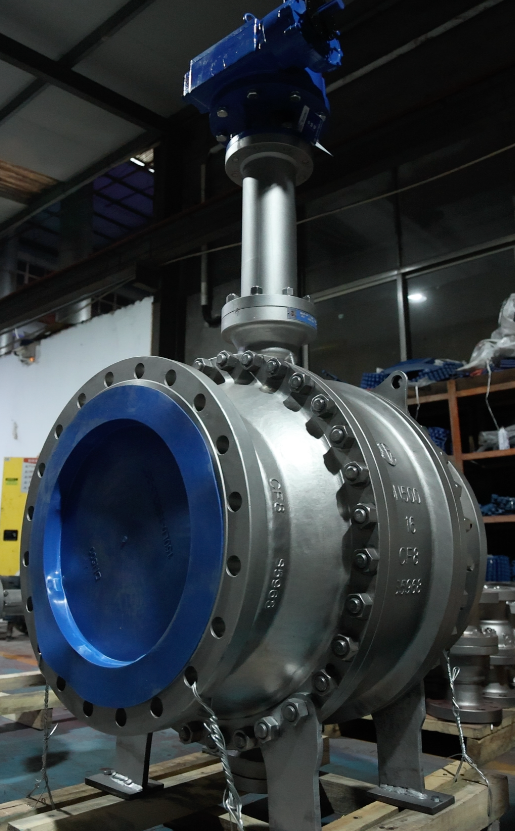
When standard products fall short in addressing your specific industrial challenges, our custom OEM solutions step in to bridge that gap, ensuring every component integrates seamlessly with your operational workflow. We don’t just tweak existing designs; we start from scratch if needed, collaborating closely with your engineering team to understand pain points, from temperature extremes to high-stress environments. This hands-on approach allows us to deliver parts that not only fit perfectly but also enhance overall system performance, reducing downtime and maintenance costs in the long run.
Beyond simple customization, we focus on scalability and future-proofing your investments. By leveraging advanced materials and manufacturing techniques, such as additive manufacturing or precision machining, we create solutions that grow with your business. Whether you’re in aerospace, automotive, or heavy machinery, our team adapts to your industry’s unique standards, ensuring compliance and reliability without compromising on innovation.
What truly sets us apart is our commitment to partnership rather than just transactions. We offer ongoing support and iterative refinement, so as your needs evolve, so do our solutions. This collaborative model has helped clients streamline production, improve safety margins, and achieve sustainability goals, making it a cornerstone of our tailored approach.
Advanced Materials and Engineering for Superior Performance
In today's rapidly evolving technological landscape, the pursuit of superior performance hinges on the strategic integration of advanced materials and cutting-edge engineering. By leveraging state-of-the-art composites and smart alloys, industries can achieve unparalleled durability and efficiency that traditional materials cannot match. This synergy allows for innovative designs that push the boundaries of what's possible, from aerospace components that withstand extreme conditions to medical devices that enhance patient outcomes with precision and reliability. Through continuous research and development, we are unlocking new capabilities that redefine standards and drive progress in various sectors.
Beyond mere material selection, engineering plays a pivotal role in tailoring these advanced substances to specific applications. Techniques such as additive manufacturing and nanotechnology enable precise control over material properties, leading to lightweight structures with exceptional strength and adaptability. This approach not only fosters sustainability by reducing waste and energy consumption but also accelerates innovation by allowing for rapid prototyping and customization. As a result, products can be optimized for peak performance, whether in consumer electronics that demand sleek durability or industrial machinery that requires robust resilience, ultimately enhancing user experiences and operational efficiency.
The convergence of advanced materials and engineering is also fostering interdisciplinary collaboration, where experts from fields like chemistry, physics, and design work together to solve complex challenges. This collaborative spirit encourages the development of novel solutions that are both innovative and practical, such as self-healing materials that extend product lifespans or responsive coatings that adapt to environmental changes. By prioritizing a holistic understanding of material behavior and engineering principles, we can create systems that not only excel in performance but also contribute to long-term sustainability and resilience in a dynamic global market, setting new benchmarks for excellence.
Enhancing Operational Efficiency with Reliable Valve Systems
At the heart of every smoothly running industrial process lies a deceptively simple component: the valve. While often overshadowed by more complex machinery, the reliability of valve systems directly dictates the rhythm of operations, minimizing costly shutdowns and unplanned maintenance. By integrating robust, precision-engineered valves, companies can significantly reduce energy waste and fluid loss, ensuring that systems operate at peak performance with fewer interruptions.
A reliable valve system isn't just about avoiding breakdowns; it's about creating a predictable, efficient workflow. When valves perform consistently under varying pressures and temperatures, they enable tighter control over process variables, leading to higher product quality and reduced resource consumption. This consistency translates into tangible benefits, such as lower operational costs and enhanced safety, as dependable valves prevent leaks and overflows that could compromise both equipment and personnel.
In today's competitive landscape, investing in durable valve solutions offers a strategic advantage. These systems empower operators to streamline maintenance schedules and optimize asset utilization, turning potential vulnerabilities into strengths. The result is a resilient operation that not only meets production targets reliably but also adapts swiftly to changing demands, fostering long-term sustainability and growth.
Quality Assurance and Testing Protocols in Manufacturing
At the heart of every manufacturing process lies a commitment to quality, driven by rigorous assurance and testing protocols. These systems are not mere formalities but integral frameworks that ensure products meet precise standards from raw materials to final shipment. By embedding quality checks throughout the production line, manufacturers can catch defects early, reduce waste, and foster customer trust through consistent performance.
Effective testing protocols often incorporate innovative methods like automated inspections and real-time data analytics, which go beyond traditional manual checks. This proactive approach allows companies to adapt quickly to changes in production demands or regulatory requirements, enhancing flexibility and responsiveness. Tailoring these strategies to specific industries, such as pharmaceuticals or electronics, ensures that safety and reliability are never compromised, setting benchmarks that competitors strive to match.
Ultimately, robust quality systems transform manufacturing facilities into centers of excellence, where continuous improvement is prioritized. By fostering a culture of accountability and leveraging advanced technologies, businesses not only comply with global standards but also drive innovation, leading to superior products and a stronger market presence.
Future-Proofing Industries with Sustainable Valve Technologies
In today's rapidly evolving industrial landscape, the push for sustainability isn't just a trend—it's a strategic imperative. Sustainable valve technologies are at the forefront of this shift, offering innovative solutions that not only reduce environmental impact but also enhance operational efficiency. By integrating materials like recycled alloys and advanced composites, these valves minimize waste and energy consumption, allowing industries to meet stringent regulations while cutting costs. From chemical plants to water treatment facilities, the adoption of such technologies paves the way for long-term resilience, ensuring businesses stay competitive in a world increasingly focused on green practices.
What sets modern sustainable valves apart is their ability to adapt to fluctuating demands without compromising performance. Unlike traditional models that may rely on resource-intensive manufacturing processes, these eco-friendly alternatives incorporate smart features like predictive maintenance and leak detection. This proactive approach prevents downtime and extends equipment lifespan, translating to fewer replacements and reduced material usage. As industries face pressure to lower their carbon footprints, investing in durable, low-emission valves becomes a clear advantage, fostering innovation and setting new standards for industrial stewardship.
Beyond immediate operational benefits, sustainable valve technologies drive broader systemic change by encouraging circular economy principles. Manufacturers are now designing valves for easy disassembly and recycling, closing the loop on resource use and minimizing landfill contributions. This holistic perspective not only future-proofs individual sectors but also inspires collaboration across supply chains, creating a ripple effect of sustainability. In essence, embracing these technologies isn't just about compliance; it's a forward-thinking move that positions industries to thrive amid environmental challenges, proving that eco-conscious choices can also be economically smart.
FAQ
These valves are ideal for industries like petrochemical, LNG, and aerospace, where reliable performance in extremely low temperatures is critical.
They feature specialized materials and designs, such as extended stems and low-temperature sealing, to prevent leaks and ensure durability in harsh environments.
Yes, as an OEM, they offer tailored designs to meet specific project requirements, including sizing, pressure ratings, and material selections.
Common materials include stainless steel, brass, or specialized alloys like Inconel, chosen for their low-temperature toughness and corrosion resistance.
They incorporate safety features like fire-safe designs and anti-static devices to handle flammable gases and prevent accidents during operation.
They typically follow international standards such as API, ASME, and ISO, ensuring compliance and reliability for global industrial use.
Maintenance is minimal but includes periodic checks for wear and proper lubrication, with easy access designs to streamline servicing.
Conclusion
Precision OEM cryogenic ball valve factory solutions are engineered to meet the highest standards of industrial excellence, particularly in harsh environments where reliability is paramount. Innovative designs focus on robust construction and tight sealing capabilities to withstand extreme temperatures and pressures, ensuring optimal performance in challenging applications. By tailoring custom OEM solutions, manufacturers can address specific industrial needs, from unique sizing requirements to specialized materials for corrosive or abrasive conditions. This personalized approach not only enhances functionality but also integrates seamlessly into existing systems, minimizing downtime and operational disruptions, thus supporting industries that demand precision and durability in their valve systems.
Advanced materials and engineering principles are central to achieving superior performance, with a focus on durability and efficiency in cryogenic operations. These valves are crafted from high-grade alloys and composites that resist wear and thermal stress, contributing to long-term reliability. Quality assurance and rigorous testing protocols guarantee that each valve meets strict manufacturing standards, ensuring consistent operation and safety. Furthermore, by incorporating sustainable technologies, these solutions future-proof industries by reducing environmental impact and energy consumption. This holistic approach enhances operational efficiency through reliable valve systems that not only improve process control but also foster innovation and sustainability in industrial settings, ultimately driving excellence across various sectors.
Contact Us
Contact Person: Lucas Lin
Email: [email protected]
Tel/WhatsApp: 8613968913000
Website: https://www.zhengmaogroup.com