

Roof Panel Company Guide to Durable and Energy-Efficient Roof Panels
2026-11-02
When it comes to roofing, every building owner faces the same dilemma: how do you balance long-term durability with real energy savings? Durable and energy-efficient roof panels solve both problems at once—if you know what to look for. This guide from LANYUN cuts through the technical noise, giving you practical steps to choose panels that stand up to harsh weather while lowering your cooling bills. Whether you're replacing an old roof or planning a new build, the right panel choice can mean decades of performance with fewer headaches. Let's explore what makes a roof panel truly durable and efficient, and how to avoid the common traps that cost you money down the road.
Choosing Materials That Outlast the Weather
Picking materials that can handle years of sun, rain, and frost isn't just about checking a box on a spec sheet. It starts with thinking through how the material behaves when it's wet, frozen, baked, and then wet again. For instance, untreated softwood might look fine on day one, but in a humid climate it can twist and cup within two seasons. Galvanized steel holds up in many places, yet near a salty coastline it may start rusting at the edges unless the coating is heavier than standard. The materials that truly last are often the quiet ones—fiber cement, certain composites, marine-grade aluminum—that have proven themselves not in a lab alone, but on real buildings over decades.
Comparing options side by side helps, but only if you look past the initial price. Stainless steel sounds invincible, but only 316 grade really shrugs off coastal salt; 304 will show tea staining. Powder-coated aluminum is light and low-maintenance, though a deep scratch can let moisture creep under the coating and cause blisters. Composite decking and trim resist rot and insects, but their fasteners and joist spacing matter just as much as the board itself. Natural stone like granite or slate can survive brutal freeze-thaw cycles, provided you choose a type with low water absorption and don't trap moisture against it with the wrong mortar.
One mistake many people make is treating material choice as a one-time decision. Even the toughest siding or decking will fail early if water gets trapped behind it or if two dissimilar metals touch and start a galvanic reaction. Pay attention to drainage gaps, end cuts, and sealant joints. Ask suppliers for examples of their product in local weather conditions, not just a generic warranty. A material that has survived ten winters in Arizona may not make it through three in Maine. The goal isn't just to buy something labeled "weather-resistant" but to assemble a system that lets the material dry out between storms.
How Roof Panels Keep Indoor Temperatures Steady
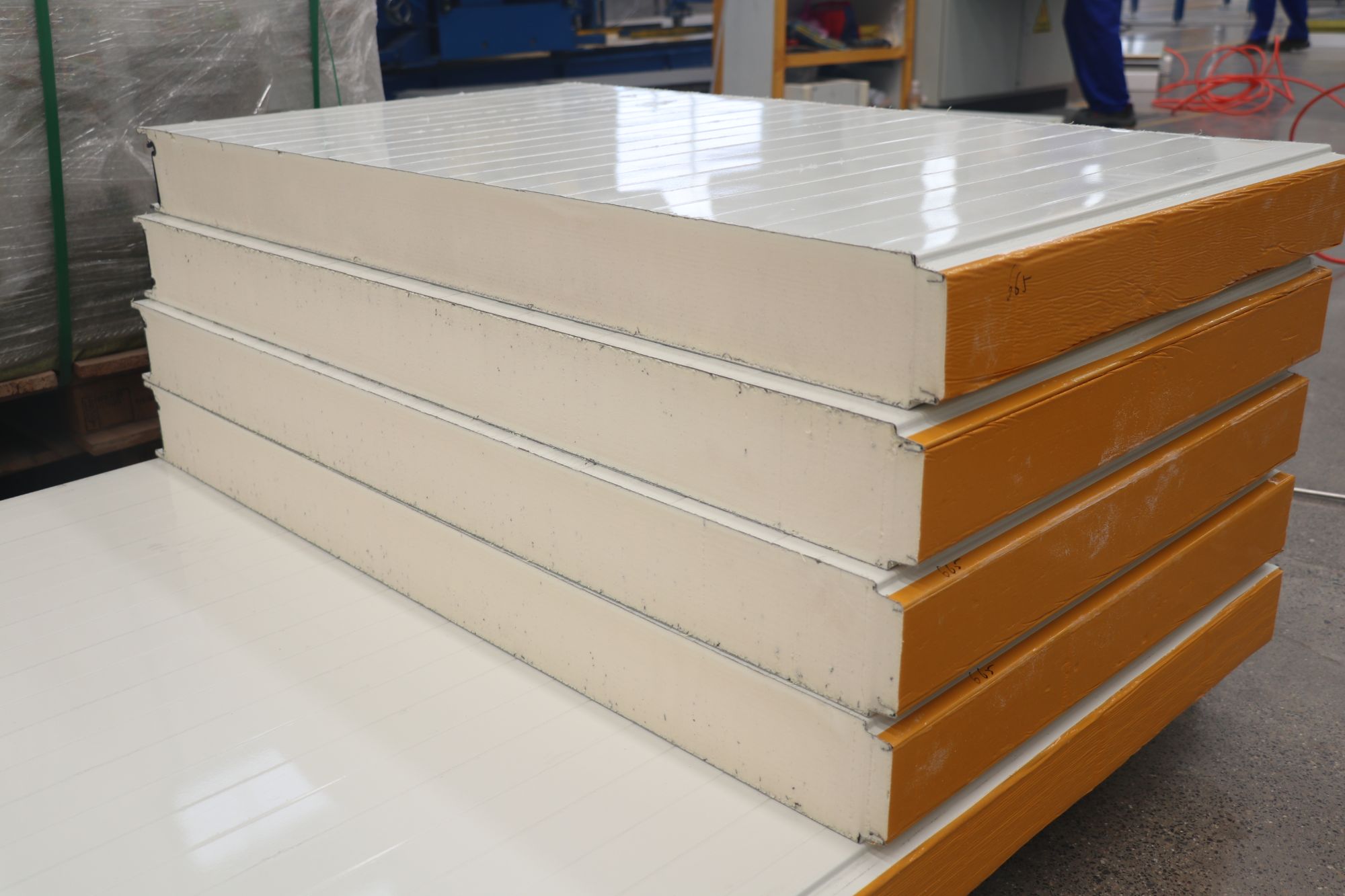
Modern roof panels often use reflective coatings or light-colored pigments that bounce a large share of solar radiation back into the sky instead of soaking it up. This keeps the roof surface noticeably cooler on hot days, which means less heat pushes through the ceiling into the rooms below. In cooler months, some of these same panels help trap interior warmth, reducing the need for constant heating adjustments.
Many panels are built with an insulating core or paired with rigid foam to form a continuous thermal barrier. Unlike traditional attic insulation stuffed between rafters, this design limits thermal bridging—the paths where heat sneaks through wooden framing. As a result, indoor temperatures stay more even from morning to night, and you won’t find yourself fiddling with the thermostat as often.
Ventilation also plays a quiet but critical role. Panel systems often include an air channel beneath the surface that lets accumulated heat escape before it can radiate downward. In climates with wide temperature swings, high-mass panels such as concrete or clay absorb warmth during the day and release it slowly after sunset, smoothing out peaks and valleys in indoor comfort without relying heavily on mechanical heating or cooling.
Simple Upkeep Habits That Prevent Costly Repairs
A lot of expensive home repairs start small. That drip under the sink? It might look harmless, but a loose washer can turn into a warped cabinet base or even a mold problem if it goes unnoticed for months. Spending ten minutes every few weeks walking through your home and listening for odd sounds, checking for damp spots, and wiggling handles can catch these issues before they demand a contractor’s bill. It’s less about being handy and more about being observant.
Your HVAC system is another quiet troublemaker. Most people forget the filter until the air feels stuffy or the unit starts making a rattling noise. Swapping a basic filter every one to three months costs about the same as a pizza, but a clogged one forces the blower to work overtime, which can burn out a motor or freeze the coils. A full replacement often runs into four figures. The same logic applies to gutters: letting leaves pile up seems harmless until water backs up under the shingles and rots the fascia board.
Even your water heater benefits from a little routine attention. Draining a quart or two from the tank twice a year flushes out sediment that otherwise settles at the bottom, causing popping sounds and reducing efficiency. That small habit can add years to the tank’s life and keep your energy bill from creeping upward. These aren’t glamorous tasks, but they’re the kind of quiet, consistent moves that keep a house running smoothly long after the warranty expires.
Design Options That Don't Compromise on Efficiency
It's easy to assume that an efficient product must look stripped-down or purely functional. That thinking misses a lot of what's possible now. Rounded edges, integrated handles, and recessed controls can reduce material use and improve airflow without adding bulk. Some designs hide vents within decorative grooves or use perforated metal that serves both as a visual texture and a heat-management feature. The result is a piece that feels intentional rather than industrial.
Color and finish choices also don't have to fight against performance. Low-VOC powder coats, anodized aluminum, and recycled composites handle daily wear just as well as traditional finishes while keeping weight and energy footprint in check. Even small details, like a beveled edge that guides water away from sensitive components or a snap-fit assembly that removes the need for extra fasteners, show that thoughtful design can improve reliability without adding cost or complexity.
The most convincing examples come from products where the team tested prototypes side by side for both speed and aesthetics. They found that a slightly tapered rear panel cut drag in mobile units, while a ribbed interior wall strengthened the structure enough to use a thinner outer shell. These aren't compromises; they're choices that make the product easier to live with and less wasteful to produce. Efficiency becomes part of the design language, not a constraint against it.
Installing Panels for Maximum Leak Resistance
When you position each panel, start from the lowest edge and work upward, keeping the overlap direction consistent with the natural flow of water. A common mistake is to fasten panels too tightly against the underlayment, which can warp the profile and create small gaps that invite moisture. Instead, allow the panel to sit naturally and use the recommended fastener spacing—typically every 12 to 18 inches along the ribs—so the panel can expand and contract without pulling away from the sealant.
Pay close attention to the side laps and end laps, because these are the most vulnerable points for water intrusion. Apply a continuous bead of butyl tape or sealant along the lap line before setting the next panel, and never rely on the fastener alone to keep the joint closed. After the panel is in place, run a second thin bead along the exposed edge of the lap and tool it smooth with a gloved finger; this pushes the sealant into any micro-channels and prevents capillary action from drawing water upward.
At the eave and ridge, cut panels so they overhang the drip edge by at least one inch, and use closure strips that match the panel profile to block wind-driven rain. For valleys or transitions where panels meet a wall or chimney, install a metal flashing that extends a minimum of six inches up the vertical surface and at least four inches out onto the panel—then seal the top edge with a high-quality urethane caulk, not a cheap latex product that will crack within a year. Test the assembly by walking the roof with a hose on a dry day, aiming water uphill from every seam to catch leaks before the first storm.
Balancing Upfront Cost with Long-Term Savings
Many buyers get stuck on the sticker price and forget to look at what happens after the purchase. A cheaper option might save you money today, but it can drain your wallet over time through higher energy bills, frequent repairs, or faster replacement cycles. On the other hand, spending more upfront on a well-built, efficient product often means lower operating costs and fewer headaches down the road.
The trick is to calculate the real cost of ownership, not just the initial outlay. For example, an appliance that costs $200 more but uses 30% less energy could pay for itself within a couple of years. Similarly, a durable material that resists wear might eliminate the need for an early upgrade, saving you the hassle and expense of shopping again.
That said, it's not always about going for the most expensive option. Sometimes a mid-range product offers the best balance, delivering reliable performance without unnecessary features that inflate the price. The key is to match your actual usage patterns with the expected lifespan and maintenance costs. Look past the sale tag, read user reviews for long-term feedback, and ask yourself: will this still be worth it in five years?
FAQ
The usual culprits are poor coating adhesion, weak seam design, and metal that is too thin for the local snow or wind load. Panels with a zinc-aluminum alloy coating, a minimum 26-gauge steel core, and mechanically seamed joints tend to hold up far better over time. Also check the fastener system—exposed fasteners with neoprene washers degrade faster than hidden clip systems, especially on low slopes.
Much of it comes down to two factors: solar reflectance and thermal emittance. Light-colored or specially coated panels reflect more sunlight, so the attic or plenum stays cooler. Insulated panels add a rigid foam core that limits heat transfer through the assembly. Even a simple above-sheathing ventilation gap under a metal roof can reduce cooling load noticeably in summer.
Impact resistance matters more than thickness alone. Ask for panels tested to UL 2218 Class 4 for hail, and look for a clip-based or standing-seam profile that lets the metal expand and contract without stressing the fasteners. In hurricane-prone areas, a 360-degree double-lock seam and stronger gauge—often 24 or 22—give better uplift resistance.
Yes, but the focus shifts from reflection to insulation and air sealing. A panel with a high R-value core, or a metal roof installed over a ventilated attic with plenty of insulation, helps keep heat inside during winter. Darker colors can also aid snowmelt, reducing ice dam risk along the eaves.
Most panels need surprisingly little. Twice-yearly visual checks for scratched coatings, loose fasteners, or debris trapped at seams are usually enough. Re-coat any scratches promptly to prevent corrosion, keep nearby tree branches trimmed, and make sure gutters drain freely. Avoid walking on ribs or standing seams; use a walk pad or distribute weight on flat areas.
For long-term durability and lower leak risk, often yes. Standing seam systems hide the fasteners under the seam, so there are no exposed screw holes to wear out. The profile also allows thermal movement, which matters on roofs longer than about 40 feet. Corrugated panels work fine for sheds or porches, but on a conditioned building, the standing seam is usually the smarter investment.
A high-quality finish does double duty. It resists chalking, fading, and corrosion, and its pigment can reflect infrared heat. Look for coatings with a PVDF resin system (often called Kynar 500 or Hylar 5000) for the best combination of color retention and chemical resistance. For maximum cooling benefit, choose a finish listed with a high solar reflectance index, typically above 70.
Conclusion
A roof has to do more than just sit overhead; it's the first line of defense against everything from pounding hail to relentless UV exposure. The guide from leading roof panel companies stresses that material choice sets the foundation. Galvalume-coated steel and thick-gauge aluminum tend to shrug off corrosion far longer than standard painted panels, especially in coastal or industrial zones where salt and chemicals eat away at weaker metals. But even the best sheet won't perform if it's installed sloppily. Proper overlap, high-quality fasteners with rubber washers, and attention to ridge and eave details are what keep wind-driven rain from sneaking into the building envelope. Once the panels are up, staying ahead of trouble doesn't require much—just a biannual rinse to clear debris, a quick scan for scratched coatings, and resealing any worn lap joints before they turn into costly leaks. Skipping these small steps is how a fifteen-year roof becomes a five-year headache.
On the energy side, modern roof panels aren't just metal sheets; they work as part of a thermal system. Many companies now offer factory-applied foam insulation or integrate cool-roof pigments that reflect a large share of solar heat instead of absorbing it. That keeps indoor temperatures steady whether the sun is blazing or the thermometer drops, cutting the load on HVAC systems without demanding thicker walls or exotic glass. Design flexibility hasn't been sacrificed either—standing seam profiles, batten covers, and even tile-like pressings give builders plenty of visual character while preserving the smooth, unbroken surface that sheds water and resists wind uplift. The real challenge is upfront cost. A premium insulated panel can cost more per square foot than a basic corrugated sheet, but the savings show up in lower utility bills, fewer repairs, and a lifespan that can double the cheaper option. For most building owners, that math works out in favor of spending a little more now rather than paying for replacements and wasted energy later. The best advice from the guide is to think of roof panels as a long-term asset, not a one-time purchase.
Contact Us
Contact Person: Nia
Email: [email protected]
Tel/WhatsApp: +86 18954360337
Website: https://www.sdppgi.com