

Silicon Steel Factories: Driving Efficiency and Innovation in Modern Manufacturing
2026-03-27
In the heart of modern manufacturing, silicon steel factories stand as silent yet indispensable pillars of innovation and efficiency. These facilities are not just producing steel; they are shaping the future of industries from automotive to energy, where high-performance materials drive transformative change. At the forefront of this evolution is Jiangsu Baowu New Materials, a leader in pushing the boundaries of what silicon steel can achieve. As we delve into how these factories are revolutionizing production processes and fostering sustainable advancements, you'll discover the critical role they play in powering the next generation of technology. Join us on this exploration—where manufacturing meets ingenuity.
The Evolution of Silicon Steel: From Foundries to High-Tech Plants
Silicon steel, a material with properties that revolutionized electrical and power industries, began its journey in the gritty, smoke-filled foundries of the late 19th century. Early production focused on adding silicon to steel to reduce eddy current losses, but methods were rudimentary, often resulting in inconsistent quality. These initial processes laid the groundwork for a transformation that would see this alloy move from heavy industrial settings to sophisticated manufacturing plants.
Throughout the mid-20th century, advancements like the development of grain-oriented silicon steel marked a pivotal shift. Innovations such as cold rolling and annealing techniques enabled more precise control over grain structure, drastically improving efficiency in transformers and motors. This period saw production move toward specialized facilities where quality and consistency became paramount, setting the stage for the high-tech era.
Today, silicon steel is produced in state-of-the-art plants that leverage automation, digital monitoring, and advanced metallurgy to meet the demands of renewable energy and electric vehicles. These high-tech environments ensure ultra-thin gauges and tailored magnetic properties, pushing the boundaries of performance. From its humble foundry origins to these cutting-edge operations, the evolution of silicon steel reflects a broader narrative of industrial progress and technological refinement.
Advanced Production Techniques Revolutionizing Material Quality
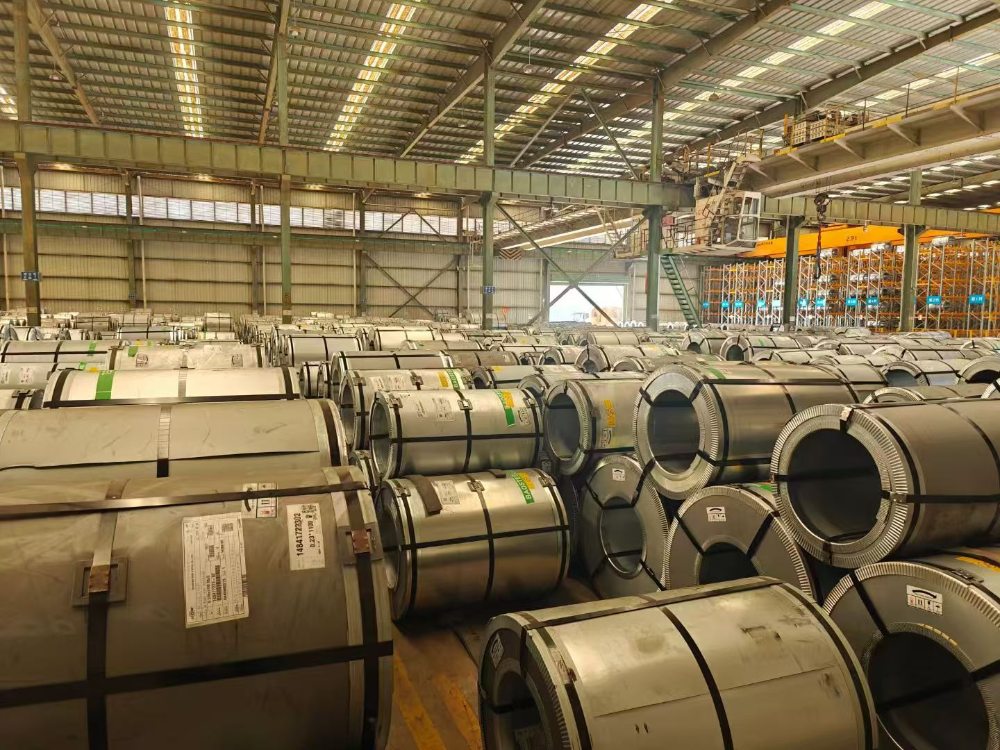
Innovations in production methods are fundamentally reshaping material quality, moving beyond traditional approaches to achieve unprecedented standards. Cutting-edge techniques like additive manufacturing and nanotechnology enable precise control at the molecular level, resulting in materials with enhanced durability, flexibility, and performance tailored for specific applications. This shift not only improves product reliability but also opens new possibilities in industries such as aerospace and healthcare, where material integrity is critical for safety and innovation.
By integrating advanced sensors and real-time data analytics into production lines, manufacturers can now closely monitor and adjust processes to minimize defects and optimize material properties. This dynamic approach ensures consistency and high quality across batches, reducing waste and lowering costs while meeting stringent regulatory requirements. The ability to fine-tune materials on the fly represents a significant leap forward, distinguishing modern production from older, more rigid methods that often relied on trial and error.
Looking ahead, the convergence of artificial intelligence and advanced techniques promises to further revolutionize material quality by predicting outcomes and automating complex adjustments. This synergy allows for the development of smart materials that can adapt to environmental changes or user needs, setting a new benchmark for customization and sustainability in production. As these technologies evolve, they are set to redefine industry standards, making high-quality materials more accessible and versatile for future challenges.
Energy-Efficient Processes: Reducing Carbon Footprint in Manufacturing
In today's manufacturing landscape, the push for energy-efficient processes isn't just about cutting costs—it's a critical step toward slashing carbon emissions. By integrating smart technologies like IoT sensors and AI-driven systems, factories can monitor energy consumption in real-time, identifying waste points that often go unnoticed. This approach moves beyond basic upgrades, targeting specific inefficiencies in machinery and production lines to significantly lower energy use without compromising output.
Another effective strategy involves adopting renewable energy sources onsite, such as solar panels or wind turbines, which directly power operations and reduce reliance on fossil fuels. Companies are also rethinking traditional methods, like optimizing heating and cooling systems and implementing waste heat recovery, turning byproducts into valuable energy. These innovations not only shrink the carbon footprint but also enhance operational resilience, making manufacturing more sustainable and competitive in a green-focused market.
Beyond technology, a cultural shift toward sustainability is key, with employee training and cross-departmental collaboration driving continuous improvement. By embedding energy efficiency into every process, manufacturers can achieve long-term reductions in emissions while setting new industry standards for environmental responsibility.
Innovations in Silicon Steel Applications Across Industries
It’s fascinating to see how industries are reimagining silicon steel beyond its traditional roles. In the automotive sector, innovations are driving a quiet revolution: new grain-oriented silicon steel grades are boosting the efficiency of electric vehicle motors, slashing energy losses by up to 30% compared to earlier alloys. Meanwhile, in renewable energy, manufacturers are tweaking silicon steel laminations to handle higher frequencies in wind turbine generators, making them more resilient in harsh, offshore conditions.
The push for sustainability is sparking some clever applications, too. Data centers, notorious for their energy hunger, are adopting advanced silicon steel cores in transformers to cut down on heat and power waste, with some facilities seeing operational cost drops of 15%. Over in consumer electronics, thinner silicon steel sheets are enabling smaller, quieter transformers for gadgets, all while maintaining magnetic performance—a neat trick that’s reshaping how we design everything from smartphones to home appliances.
Looking ahead, the buzz is around customization and smart integration. In aerospace, labs are experimenting with silicon steel composites that reduce weight in avionics systems, enhancing fuel efficiency without compromising reliability. Even in heavy industry, innovations like corrosion-resistant silicon steel coatings are extending the lifespan of machinery in mining and chemical plants, proving that this material’s versatility is far from tapped out.
Automation and AI Integration: Enhancing Precision and Output
Automation and artificial intelligence (AI) integration is revolutionizing how tasks are performed across various industries, offering significant improvements in both precision and output quality. By leveraging advanced algorithms and machine learning, these technologies enable systems to process information with remarkable accuracy, reducing human error and enhancing consistency. This not only boosts productivity but also allows for more detailed and reliable outcomes, making processes smoother and more efficient overall.
For instance, in manufacturing, AI-driven automation can monitor production lines in real-time, identifying potential issues before they escalate and adjusting operations to maintain optimal performance. This proactive approach minimizes downtime and waste, ensuring that output meets high standards of quality and quantity. Similarly, in data analysis, AI tools can sift through vast datasets to uncover insights that might otherwise go unnoticed, providing businesses with actionable intelligence to drive decision-making and strategic growth.
Moreover, the synergy between automation and AI fosters innovation by enabling more complex and adaptive systems. As these technologies evolve, they pave the way for new applications, from personalized customer interactions to enhanced research capabilities, ultimately leading to a more dynamic and responsive environment. By integrating such solutions, organizations can not only enhance their precision and output but also stay competitive in an increasingly digital world, where efficiency and accuracy are key drivers of success.
Future Trends: Sustainable Practices and Global Market Growth
As global industries pivot towards sustainability, future trends are increasingly shaped by green innovations and ethical business models. Companies are not just adopting eco-friendly measures to comply with regulations but are leveraging them to drive competitive advantage, with practices like circular economies and renewable energy integration becoming mainstream. This shift is fostering new market opportunities and redefining consumer expectations worldwide.
Sustainable practices are transforming global markets by promoting long-term growth through resilience and resource efficiency. From supply chain transparency to carbon-neutral initiatives, businesses are aligning profitability with environmental stewardship, leading to emerging sectors like green technology and sustainable agriculture. This evolution is accelerating market expansion as nations collaborate on climate goals and investors prioritize ESG criteria.
Looking ahead, the synergy between sustainability and market growth is set to deepen, with digital tools enabling smarter, scalable solutions. Innovations in areas such as AI for energy management and blockchain for traceability are poised to unlock unprecedented economic potential, making sustainable practices a cornerstone of global prosperity. This trend heralds a future where business success is inextricably linked to planetary health.
FAQ
Modern silicon steel factories have enhanced efficiency through automated production lines, real-time quality monitoring systems, and energy-saving technologies that reduce waste and optimize resource use.
Innovations, such as developing high-grade silicon steel with lower core losses, have led to more efficient electric motors in EVs, resulting in longer ranges and improved performance.
Advancements include reduced energy consumption during manufacturing, lower emissions from optimized processes, and increased use of recycled materials, contributing to a smaller carbon footprint.
AI and IoT enable predictive maintenance, process automation, and data-driven decision-making, allowing factories to anticipate issues and adjust operations dynamically for higher productivity.
Challenges include ensuring uniform material properties at high volumes, managing supply chain disruptions, and integrating new technologies without compromising on consistency or safety standards.
They partner with automotive, renewable energy, and electronics sectors to co-develop materials, share R&D insights, and create applications that push the boundaries of efficiency and sustainability.
Conclusion
The article explores the transformation of silicon steel factories from traditional foundries to high-tech plants, emphasizing their role in enhancing efficiency and innovation. It traces the material's evolution towards more sophisticated production methods, which have significantly improved material quality and consistency. Additionally, the focus on energy-efficient processes highlights efforts to reduce the carbon footprint in manufacturing, aligning with global sustainability goals. Innovations in applications across various industries demonstrate silicon steel's versatility and impact on modern technology.
Further advancements include the integration of automation and AI, which enhances precision and boosts output, driving operational excellence. Looking ahead, future trends point towards the adoption of sustainable practices and continued growth in the global market, positioning silicon steel factories as key players in shaping the manufacturing landscape. This comprehensive approach underscores how these facilities are not only meeting current demands but also paving the way for a more innovative and eco-friendly industrial future, blending technological progress with environmental responsibility.
Contact Us
Contact Person: Zoe Liang
Email: [email protected]
Tel/WhatsApp: 86 189 2128 6299
Website: https://www.baowuchina.com