

Soil Binder for Dust Control: Effective Solutions and Application Tips
2026-07-11
Dust can be a stubborn nuisance on unpaved roads and worksites, but soil binders are quietly changing the game. If you're tired of constant watering or temporary fixes, MST has refined binder technology that locks down particles for lasting stability. In this post, we’ll unpack practical application tips and the science behind keeping dust under control—without the usual headaches.
Why Traditional Dust Suppression Falls Short
Most traditional dust control methods rely heavily on water, either through constant spraying or fogging systems. While this approach works temporarily, it often creates more problems than it solves. Water evaporates quickly under sun and wind, leaving behind dry, loose particles that easily become airborne again. This evaporation cycle demands frequent reapplication, wasting significant amounts of water and driving up operational costs. In many regions, water scarcity makes such methods impractical for long-term use.
Chemical dust suppressants, another common alternative, introduce their own set of headaches. Many contain compounds that can leach into soil and waterways, posing environmental risks. Even when effective initially, these treatments break down over time due to UV exposure, traffic, and weather. Once degraded, they leave surfaces unprotected and often require intensive reapplication, leading to spiraling maintenance expenses without long-term resolution.
Beyond the surface-level fixes, traditional methods fail to address the root cause of dust generation: the lack of surface integrity. They merely coat particles temporarily instead of binding them into a stable, erosion-resistant layer. As a result, operations face a repetitive cycle of suppression, breakdown, and reapplication. This not only drains resources but also fails to meet stricter air quality regulations, leaving sites vulnerable to fines and community complaints.
Breaking Down How Soil Binders Actually Work
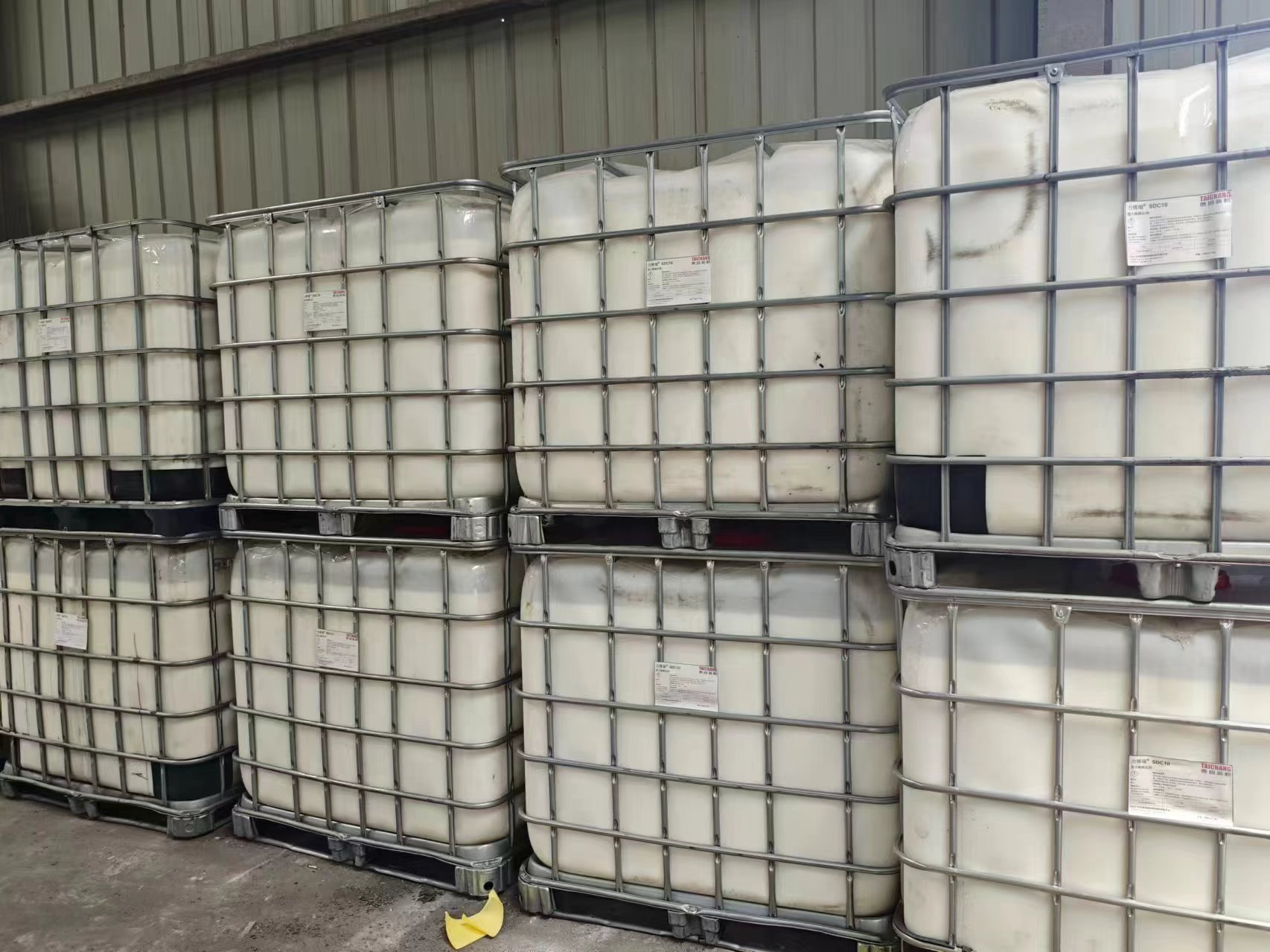
Picture a handful of dry, crumbly soil—the kind that kicks up dust with the slightest breeze. When you mix in a soil binder, whether it’s a natural polymer or a synthetic emulsion, it doesn’t just sit there. It immediately starts forming a web-like matrix around each particle, almost like a net that holds everything together without smothering it.
This binding action isn’t just about sticking things together; it’s also about altering how water behaves. Many binders contain compounds that improve infiltration or slow down evaporation, so the soil stays moist longer. That moisture helps the binder cure properly, creating a durable, flexible crust that resists cracking under heat or traffic.
Over time, the real magic happens as the binder bonds with the soil’s organic matter and mineral content. Instead of a hard, brittle shell, you get a breathable surface that can expand and contract without breaking apart. That’s why well-treated ground can handle heavy rain without turning into mud—it’s not just glued, it’s structurally reinforced from within.
Choosing the Right Binder for Your Terrain
Understanding the demands of your terrain is the first step to picking a binder that won’t let you down. A dry, dusty trail requires a binder that resists crumbling under heat and abrasion, while a wet, muddy path calls for something that stays cohesive when soaked. Think about how your local soil behaves after rain or under constant sun—does it turn slick, harden into ruts, or stay loose and sandy? Matching binder properties to these real-world conditions prevents the frustration of tires spinning out or surfaces washing away after a single storm.
Not all binders are created equal when it comes to slope and drainage. On steep, cambered trails, you want a formula that grips without becoming brittle, offering enough flex to endure repeated wheel impact. In areas with poor drainage or heavy vegetation, a more permeable binder might save you from puddles and mold growth. Don’t just look at strength ratings—test a small patch if you can, or talk to locals who’ve already experimented. Their trial-and-error wisdom often reveals which binder survives the weird microclimate that no spec sheet predicts.
Mistakes That Sabotage Application Success
Rushing through an application is one of the most common yet avoidable pitfalls. It’s tempting to copy-paste generic answers, but reviewers can spot a lack of genuine effort instantly. Taking the time to tailor each response shows you’ve researched the opportunity and understand what makes it unique. This personal touch separates a forgettable submission from one that lingers in the reader’s mind.
Another critical mistake is ignoring the instructions. Whether it’s word limits, required formats, or specific questions, missing these details signals carelessness. Think of the guidelines as a test of attention – each one exists for a reason. Following them precisely not only demonstrates respect for the process but also prevents your application from being discarded before it’s even evaluated.
Overconfidence can be just as damaging as carelessness. Some applicants assume their credentials speak for themselves and neglect to provide context or examples. A list of achievements without narrative is forgettable. Instead, weave your experiences into a story that highlights growth, resilience, and a clear sense of purpose. This transforms a dry recitation into something compelling and human.
Real-World Wins: Binders in Harsh Conditions
When an offshore drilling crew faced a sudden storm, their standard document binders all but disintegrated. Rain, salt spray, and wind tore through paper and cheap poly covers within minutes. But the safety manuals, tucked inside rugged binders with sealed edges and chemical-resistant jackets, survived without a smudge. The crew could access emergency protocols right when they mattered most—no frantic second-guessing or blurred pages. It’s a small detail until you’re 200 miles out at sea, and the binder is the last thing holding your procedures together.
In another setting, a mining operation in northern Canada ran 24-hour shifts through -40°F temperatures. Standard vinyl binders cracked like glass when flexed, sending shards into sensitive equipment. The switch to polypropylene binders with cold-flex additive changed everything. They stayed pliable and impact-resistant, even when dropped from a loader cab. Inventory checklists stayed intact, and the maintenance logs didn’t lose a single entry all winter. The crew jokingly called them ‘the only thing tougher than the permafrost,’ but they also admitted it cut their paperwork rework by nearly half.
Not all victories come in extreme environments. A food processing plant dealt with constant washdowns—steam, sanitizers, and high-pressure hoses daily. Paper binders swelled and peeled; metal rings corroded and left rust marks on every page. Using fully sealed, poly-covered binders with stainless steel rings changed their audit results overnight. HACCP logs stayed legible and dry, no corners curled, no ink running. Inspectors began flagging them as a best-practice example, and the plant manager noted it was one less thing to worry about during unannounced visits. Durability doesn’t always make headlines, but it sure keeps the line running.
Long-Term Maintenance Without the Headaches
Owning a property shouldn’t mean spending weekends tracking down reliable contractors or wondering if a small leak will turn into a costly disaster. We’ve built a system that handles everything from seasonal checkups to urgent repairs, so you can simply enjoy your space while it stays in top shape.
Instead of the usual reactive scramble, our approach is proactive and transparent. You’ll get clear updates, fixed pricing without surprises, and a dedicated team that already knows the ins and outs of your home. That means fewer interruptions, less stress, and the kind of quiet confidence that comes from knowing the details are handled.
The result is a property that feels effortless—a place where things just work, without the background noise of scheduling hassles or unexpected bills. It’s maintenance that respects your time and actually lives up to the name.
FAQ
A soil binder is a substance that you mix into the top layer of dirt to lock the particles together. Instead of just wetting the ground, which dries out quickly, a binder creates a crust or a flexible layer that holds everything in place even when it's windy or vehicles drive over it.
You'd reach for a binder when water alone isn't enough—like on unpaved roads with heavy traffic, construction sites with huge open areas, or exposed slopes that keep eroding. It's also a smart choice when you want a longer-lasting fix and don't want to keep reapplying suppressants every few hours.
Absolutely. You've got synthetic polymers, which are super durable and great for high-traffic areas; lignin-based binders made from wood pulp, which are more eco-friendly; and products like magnesium chloride that pull moisture from the air. The right pick depends on your soil type, local climate, and how much wear the surface will get.
Many liquid concentrates are designed for DIY use—you just dilute them and spray with a standard tank or a backpack sprayer. That said, for big jobs or if you need consistent coverage, hiring a pro with the right equipment can save you a lot of headaches and wasted product.
Going too light on the application rate. A lot of folks try to stretch the product, but skimping means the layer is too thin to bond properly, and it breaks down almost immediately. Always follow the manufacturer's coverage recommendations, even if it feels like you're using more than you'd expect.
It really varies. Under ideal conditions—light traffic, moderate weather—you might see it hold up for six months to a year. But on a busy haul road, you could be topping it up every few weeks. Keep an eye on the surface; once you spot loose particles or dust plumes, it's time for a refresh.
Most modern binders are formulated to be non-toxic and biodegradable once cured, so they pose minimal risk when used correctly. Still, you should avoid applying right before heavy rain to prevent runoff, and check the product's spec sheet for any specific environmental precautions—especially near sensitive habitats.
Conclusion
For many sites, dust control means spraying water, but when that evaporates in hours or turns surfaces into mud, the cycle of reapplication becomes a costly, losing battle. Soil binders change the game by binding fine particles together at the surface, forming a durable crust that withstands wind, traffic, and even light rain. Unlike temporary fixes, they work through chemical or organic bonding mechanisms—some rely on polymer chains to link particles, others use lignin or plant-based resins to create a flexible, erosion-resistant layer. The real advantage shows up in challenging environments: unpaved haul roads, construction sites, and arid mine tailings, where traditional methods simply can't keep up.
Picking the right binder means matching the product to your soil type and climate—clay-heavy ground demands different chemistry than sandy or gravelly terrain. Application mistakes, like skipping a proper base compaction or applying too thin a dilution, can ruin even the best product. The most successful long-term programs combine an initial binder treatment with light grading and periodic top-up sprays, avoiding the constant maintenance headaches that come with water carts. Cases from industrial yards to remote airstrips prove that when applied correctly, these binders deliver months of dust-free performance with far less labor, turning a constant headache into a nearly invisible background process.
Contact Us
Contact Person: Helen
Email: [email protected]
Tel/WhatsApp: 86 18630661160
Website: https://www.roadmilestone.com/