

Tactile Paving in China: Essential Tips for Inclusive Urban Design
2026-04-04
As urban landscapes evolve worldwide, tactile paving has emerged as a crucial element of inclusive design—especially in China, where rapid development meets a growing commitment to accessibility. This innovative surface feature not only aids visually impaired pedestrians but also enhances safety for all, creating more navigable and welcoming cities. At Beata Ceramics, we believe that thoughtful urban design goes beyond aesthetics; it’s about crafting spaces that empower every individual. In this blog, we’ll explore the essential tips for implementing tactile paving in China, drawing from both global best practices and local insights. Join us as we delve into how inclusive infrastructure can transform communities, and discover how brands like Beata Ceramics are contributing to this meaningful change. Stay tuned for practical advice and inspiring examples!
Enhancing Navigation for the Visually Impaired Through Tactile Paving
Tactile paving, often called detectable warning surfaces, provides a tangible guide for individuals with visual impairments, transforming urban environments into more accessible spaces. These textured ground indicators, commonly featuring raised bumps or bars, serve as non-visual cues that alert users to potential hazards, such as street crossings, train platform edges, or staircases. By strategically placing these surfaces in high-traffic areas, cities can significantly reduce the risk of accidents and enhance independent mobility for the blind and partially sighted. Beyond safety, tactile paving fosters a sense of confidence and autonomy, as it allows users to navigate familiar routes without relying solely on assistive technologies or human assistance. Innovations in materials and designs continue to evolve, making these systems more durable and effective in various weather conditions.
The implementation of tactile paving requires careful consideration of placement and consistency to maximize its benefits. For example, at pedestrian crossings, tactile strips with truncated domes signal the transition from sidewalk to roadway, prompting users to pause and assess traffic. Similarly, directional bars guide individuals along safe pathways in complex settings like transit hubs or parks. Research shows that standardized patterns across different locations help users build spatial awareness and memory, reducing cognitive load during travel. However, challenges such as wear and tear, improper installation, or lack of maintenance can diminish effectiveness, highlighting the need for ongoing community feedback and policy support to ensure these systems remain reliable and inclusive for all users.
Looking ahead, blending tactile paving with emerging technologies offers promising avenues to further enhance navigation. For instance, integrating audio signals or smartphone apps that sync with tactile markers can provide real-time information about surroundings, such as upcoming obstacles or changes in terrain. This multimodal approach caters to diverse needs, including those with multiple disabilities or varying levels of vision loss. By prioritizing user-centered design and continuous collaboration with advocacy groups, tactile paving can evolve into a holistic tool that not only safeguards mobility but also enriches the overall urban experience for visually impaired communities, promoting greater social inclusion and equal access to public spaces.
Integrating Tactile Surfaces into China's Urban Architecture
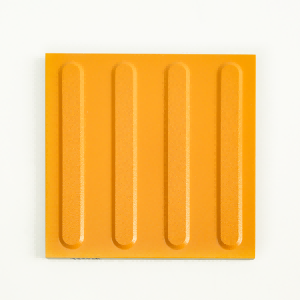
In China's rapidly evolving cities, tactile surfaces are no longer just an afterthought for accessibility; they're becoming an integral part of architectural innovation. Picture strolling through a Shanghai park where textured pathways guide visitors intuitively, or a Beijing subway station where tactile strips seamlessly blend with granite floors, enhancing both safety and aesthetic appeal. This integration isn't just about compliance with universal design norms—it's a creative endeavor that merges practicality with the poetic, transforming public spaces into inclusive environments that cater to all senses.
Beyond mere footpaths, architects are weaving tactile elements into cultural landmarks and modern infrastructures. In cities like Hangzhou, tactile patterns inspired by traditional Chinese art now adorn museum entrances, offering visually impaired visitors a richer experience of heritage. Meanwhile, in Shenzhen's tech hubs, interactive tactile panels in plazas serve dual purposes: guiding pedestrians and engaging the public with playful, tech-driven designs. This approach moves beyond sterile standards, fostering a dialogue between form and function that resonates with China's blend of ancient craftsmanship and futuristic aspirations.
What sets this trend apart is its localized adaptation, tailoring tactile solutions to China's unique urban fabric. Instead of generic, imported designs, communities are collaborating with designers to create surfaces that reflect regional materials and climate resilience—think cobblestone-like textures in historic districts or heat-resistant tiles in southern metros. By embedding these features early in the planning stages, China is crafting cities that feel more intuitive and human-centered, paving the way for a new era where architectural beauty and inclusivity walk hand in hand.
Material Selection and Durability of Tactile Paving Systems
When choosing materials for tactile paving, it’s about more than just meeting basic specs. Think concrete, which is often the go-to for its ruggedness and low maintenance, but even here, options abound—from standard mixes to polymer-modified versions that resist cracking better in freeze-thaw cycles. Ceramics and rubber composites are also gaining traction, especially in areas where slip resistance or a softer surface is key. The decision hinges on factors like foot traffic volume, climate extremes, and even local aesthetics, ensuring the paving doesn’t just function but blends in or stands out as needed.
Durability isn’t just a buzzword; it’s crucial for tactile systems that face constant wear. In busy urban spots, a paving tile might endure thousands of steps daily, plus exposure to weather and cleaning chemicals. That’s why material testing—like abrasion resistance and UV stability checks—is vital upfront. Opting for high-quality aggregates or coatings can extend lifespan, reducing frequent replacements that disrupt accessibility. After all, a durable surface keeps the tactile cues clear and reliable, which is what really matters for users navigating by touch.
Beyond standard picks, innovative materials are reshaping durability. Take recycled plastics or rubber, which not only offer eco-benefits but can be engineered for flexibility to handle ground movement without breaking. In coastal zones, corrosion-resistant alloys might edge out traditional choices. The trick is balancing long-term performance with cost, as a slightly pricier material upfront often pays off in lower maintenance down the line. It’s this thoughtful mix of science and practicality that sets apart resilient tactile paving from the ordinary.
Maintenance Strategies for Long-Term Accessibility Compliance
Ensuring digital assets remain accessible over time demands a proactive approach that evolves with both technology and user needs. Rather than treating accessibility as a one-time checklist, organizations should implement continuous monitoring and iterative updates. This involves regular audits using automated tools and manual testing, coupled with training programs that empower developers and content creators to integrate accessibility principles from the outset. By embedding these practices into the development lifecycle, teams can catch potential issues early, reducing long-term maintenance costs and fostering a culture of inclusivity.
A key strategy is to establish clear governance structures and accountability measures. Assigning specific roles, such as an accessibility champion or compliance officer, ensures that accessibility remains a priority across projects. Additionally, maintaining detailed documentation of accessibility standards and decisions helps streamline future updates and audits, preventing knowledge gaps when team members change. This organizational backbone supports consistency and reduces the risk of compliance drift as technologies advance or regulations evolve.
Beyond technical fixes, long-term compliance benefits from user-centered feedback loops. Engaging with diverse user groups, including those with disabilities, through surveys, usability testing, and community forums can uncover real-world barriers that automated tools might miss. This feedback should inform maintenance cycles, guiding prioritization of updates based on actual impact. Ultimately, sustaining accessibility is an ongoing commitment to adaptation and empathy, ensuring digital experiences remain welcoming for everyone, regardless of how platforms or user needs shift in the future.
Community Engagement in Designing Inclusive Public Spaces
Community engagement in designing inclusive public spaces goes beyond mere consultation, transforming locals from passive recipients into active co-creators of their environments. This participatory approach ensures that diverse voices—including those of marginalized groups, children, seniors, and people with disabilities—are heard and integrated into the planning process from the outset. By involving residents in workshops, surveys, and collaborative design sessions, cities can tap into valuable local knowledge and cultural insights, leading to spaces that truly reflect community needs and foster a sense of ownership. For example, in a recent park redesign project, residents helped identify hidden safety concerns and suggested features like accessible seating and multi-generational play areas, resulting in a more welcoming and functional layout.
In practice, effective community engagement requires thoughtful strategies that break down barriers to participation, such as language differences or limited mobility. Cities might use digital tools like interactive maps and online forums to reach a broader audience, while also hosting in-person events at convenient times in familiar locations, like community centers or schools. Listening sessions and storytelling circles can uncover nuanced preferences, like the desire for quiet zones or cultural art installations, that might otherwise be overlooked. This iterative process not only refines design elements but also builds trust and social cohesion, as neighbors collaborate to envision shared spaces that celebrate their unique identities and histories.
Ultimately, when communities are deeply involved in designing inclusive public spaces, the outcomes extend far beyond aesthetics or functionality to promote equity and well-being. Research shows that such spaces can reduce social isolation, enhance mental health, and encourage civic pride, contributing to more resilient and sustainable neighborhoods. By prioritizing engagement, planners and designers shift from a top-down model to one of partnership, ensuring that public spaces serve as democratic arenas where everyone feels represented and valued. This approach, though resource-intensive, pays dividends in creating vibrant, adaptable environments that endure as cherished community assets for years to come.
Future Directions for Smart Tactile Technologies in China
China's push into smart tactile technologies is rapidly expanding beyond conventional applications into areas like healthcare and human-computer interaction. Researchers are focusing on developing flexible sensors that mimic human skin's sensitivity, enabling robots to perform delicate surgeries or assist the elderly with nuanced touch-based feedback. This advancement not only enhances precision but also opens doors to AI-driven systems that adapt tactile responses dynamically, making interactions more intuitive and responsive in real-world scenarios.
In the consumer electronics and automotive sectors, there's a growing trend toward integrating haptic feedback systems that offer richer sensory experiences, such as simulating textures in virtual environments or improving driver safety through tactile alerts. Chinese companies are investing in materials science to create durable, low-cost tactile interfaces, potentially revolutionizing how we engage with devices and vehicles, making them more immersive and user-friendly without relying heavily on visual cues.
On the innovation front, collaborations between academia and industry in China are fostering breakthroughs in energy-efficient tactile systems, using novel materials like graphene to reduce power consumption while maintaining high sensitivity. This direction supports sustainable development goals, paving the way for smart tactile technologies to become more accessible and integrated into daily life, from smart homes to industrial automation, ultimately shaping a more connected and interactive future.
FAQ
Tactile paving, commonly known as '盲道' (mang dao) in China, serves to guide visually impaired individuals safely through public spaces by providing tactile cues underfoot, enhancing accessibility in cities like Beijing and Shanghai.
In Chinese metro systems, tactile paving is strategically placed along platform edges and near escalators to signal potential hazards, with distinctive patterns such as truncated domes or bars to denote different zones and directions.
Yes, maintenance can be a challenge due to heavy foot traffic and weather wear, leading to issues like fading patterns or damage from construction, which may reduce effectiveness if not regularly inspected and repaired.
China often uses durable materials like concrete, rubber, or ceramic tiles for tactile paving, chosen for their longevity and slip-resistant properties, though some areas experiment with sustainable or brightly colored options to improve visibility.
China has heavily adopted tactile paving nationwide, but layouts and standards can vary by region, with some cities integrating more innovative designs, while global best practices like Japan's detailed guidelines influence local adaptations for better consistency.
A notable example is the Guangzhou South Railway Station, which features extensive tactile paving networks with clear color contrasts and standardized patterns, praised for improving navigation for passengers with visual impairments.
Conclusion
Tactile paving in China represents a crucial component of inclusive urban design, primarily enhancing navigation for the visually impaired. By integrating tactile surfaces seamlessly into the nation's urban architecture, these systems guide individuals safely through complex environments, such as pedestrian crossings and transit hubs. Material selection and durability are key factors, as robust, weather-resistant materials ensure long-term functionality in diverse climates across China. Maintenance strategies are equally vital, with regular inspections and repairs necessary to uphold accessibility compliance, preventing wear and tear that could compromise safety. This holistic approach supports a more navigable and equitable urban landscape, fostering independence for all citizens.
Beyond installation and upkeep, community engagement plays a pivotal role in designing inclusive public spaces, where feedback from local residents, including those with disabilities, informs tailored solutions. Looking ahead, future directions involve smart tactile technologies, such as sensor-integrated paving that provides real-time alerts or connects to mobile apps, enhancing usability and interaction. In China, these innovations align with broader urban development goals, promoting sustainability and social cohesion. By addressing these tips—from material durability to smart updates—city planners can create environments that not only comply with accessibility standards but also enrich community life, making tactile paving a cornerstone of forward-thinking, humane urban design.
Contact Us
Contact Person: Emma
Email: [email protected]
Tel/WhatsApp: 8618064423698
Website: https://www.beataceramics.com/