

Tissue Packaging Machine Solutions for Maximizing Production Efficiency
2026-11-16
Tissue manufacturers often hit a wall: packaging lines that can’t keep up with demand, frequent changeovers, and material waste eating into margins. What if your packaging process could become the fastest, most reliable part of your operation? DAXIN’s tissue packaging machine solutions tackle these bottlenecks head-on, combining precision engineering with smart automation to maximize line efficiency. In this post, we’ll explore the key features that set DAXIN apart, and how you can achieve higher output without compromising pack quality. Ready to rethink your packaging floor? Let’s dive in.
Where High-Speed Tissue Packaging Meets Seal Consistency
In high-speed tissue packaging, speed often works against seal integrity. The challenge is maintaining a clean, even seal on thin, flexible film while the machine cycles dozens of times per minute. Here the focus is on how seal consistency is engineered into the motion profile and temperature control, rather than treated as an afterthought.
The sealing jaws need to close with repeatable pressure and dwell time, but tissue film is unforgiving—too much heat and it puckers; too little and the package opens in transit. This line uses closed-loop feedback on jaw temperature and an adjustable cam profile that lets the seal time stretch slightly at the critical moment without slowing the overall cadence.
The result is a packaging station that holds a consistent seal width across thousands of packs, with fewer rejects from wrinkles or leakers. Operators can verify seal performance by reading the same parameters that the PLC monitors, so adjustments are made with data, not guesswork.
Turning Film Tension Control Into a Waste-Reduction Strategy
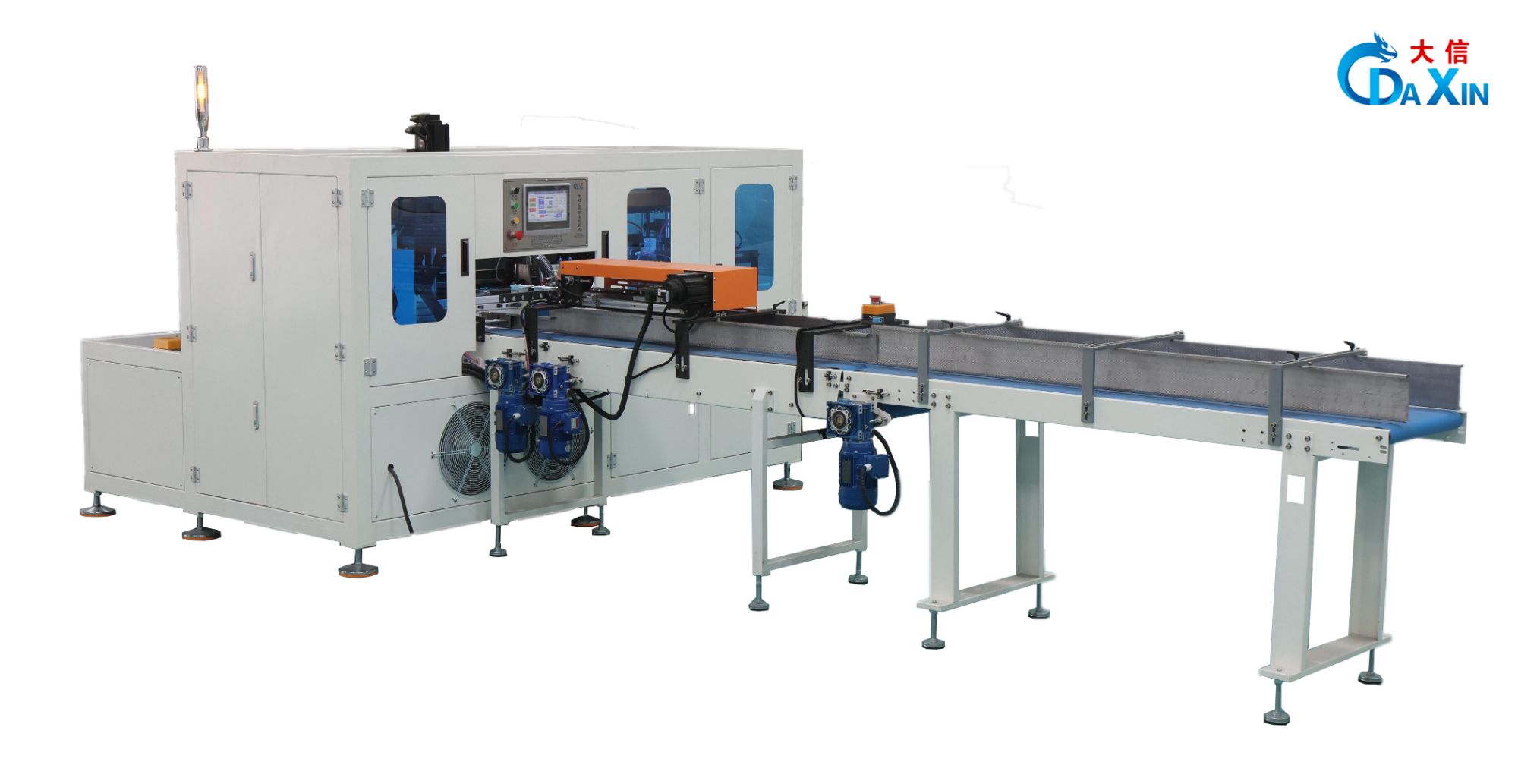
Many plants treat film tension control as a static process setting, adjusted only when wrinkles or breaks appear. Shift the perspective, and every fluctuation that causes uneven stretching, edge curl, or winding misalignment becomes measurable scrap. Treating tension management as a deliberate waste-reduction lever, rather than a reactive fix, can lift yield without adding raw material cost.
The core shift is moving from fixed parameters to dynamic correction. Install tension sensors at both unwind and rewind ends, then adjust output in real time based on roll diameter and line speed instead of relying on operator guesswork. A closed-loop system picks up subtle changes from temperature swings, humidity, or film batch variations, suppressing tension spikes before they turn into rejected rolls.
Pair tension data with scrap records to turn adjustments into elimination. Log every downgrade or reject tied to tension anomalies, identify the recurring roll-diameter ranges or speed bands, then refine PID settings or replace worn roller surfaces. This approach moves tension control from keeping the line running to removing the sources of waste, cutting material loss and reducing downtime for cleanup at the same time.
Tool-Less Changeovers for Rapid Tissue Format Swaps
On most histology instruments, swapping between standard and biopsy cassette formats means digging for a hex wrench and fiddling with small fasteners. This system eliminates that step entirely. A spring-loaded release lever and keyed alignment slots let you pop out one cassette tray and slide in another in under ten seconds, without ever touching a tool.
The real advantage shows up in mixed workloads. A lab that processes large resection specimens in the morning and needle core biopsies after lunch can switch formats between racks without stopping the run or calling maintenance. Because the docking points are self-centering, there's no need to re-calibrate or re-zero after a swap.
We've also moved the clamping force away from screws and onto a toggle cam. That means repeated tool-less changeovers don't strip threads or loosen over time the way screw-down holders do. The result is a quieter, more predictable workflow—and fewer small parts scattered across the bench.
Why Predictive Maintenance Keeps Tissue Lines Running Longer
When a tissue machine goes down unexpectedly, the cost isn't just the repair bill. Rolls pile up half-finished, steam keeps burning, and crews scramble. Predictive maintenance flips that script. Instead of waiting for a bearing to scream or a felt to tear, operators watch real-time data streams from sensors already built into modern lines. Vibration patterns, temperature spikes, oil debris counts—these quiet signals tell you a failure is brewing weeks before it happens. You fix it during a scheduled gap, not at 3 a.m.
What makes this approach stick on tissue lines is the speed. These machines run at 2,000 meters per minute or more. A tiny imbalance in a yankee dryer or a worn doctor blade can become a catastrophic wrap-up in seconds. Predictive tools catch the subtler drift—like a 3% increase in motor current draw or a slight shift in felt tension—that a human operator might miss during routine rounds. One mill running a tissue machine in the Midwest used vibration analysis on the press roll and caught a failing inner race three weeks before it would have seized. The repair took four hours on a planned shutdown instead of two days of emergency downtime.
Longer running time doesn't just mean more parent rolls out the door. It also protects the machine itself. Every unplanned stop and restart stresses the dryer fabric, the creping blade, and the gearboxes. Predictive maintenance reduces those thermal and mechanical shocks, so components last closer to their design life. And because you're not replacing parts on a guess, your spares inventory shrinks. Maintenance teams stop chasing alarms and start planning work. The tissue line runs smoother, and the maintenance budget stops bleeding.
Using Compact Machine Layouts to Boost Output Per Square Meter
Factories often treat floor space as a fixed constraint, but the smartest operations see it as a variable to be engineered. By rethinking how machines are positioned—nesting auxiliary equipment into dead corners, aligning workflows to minimize travel distance, and stacking vertical buffers where overhead clearance allows—plants can squeeze substantially more production capacity out of the same square meters without adding a single new square foot of real estate.
The key is to stop treating each piece of equipment as an island. Instead, map the actual movement of materials and operators, then design the layout around those flows rather than around machine footprints. For example, pairing a high-speed punch press with a compact inline deburring unit eliminates a separate staging area, while a shared automated unloader serving two adjacent CNC lathes recovers the aisle space that would normally sit idle. These adjustments are rarely glamorous, but they add up to double-digit gains in output per square meter.
One overlooked lever is the ceiling. Many shops run out of horizontal room while vertical space goes unused. Installing mezzanine-level conveyors, overhead tool storage, or even elevated buffer tables for work-in-progress frees up ground-level lanes for core value-adding machines. Combined with narrower aisle widths made possible by automated guided carts instead of forklift turning radii, the same building envelope can support a substantially higher throughput without compromising safety or ergonomics.
Cutting Energy Costs Without Slowing the Packaging Line
Packaging lines often run at full tilt, and any suggestion of reducing energy use can raise fears of slower throughput or costly retrofits. Yet trimming power consumption doesn’t have to mean throttling back. One overlooked approach is to audit the idle states of motors, conveyors, and sealing equipment. Many machines keep drawing near-full current even during brief gaps between products. By fine-tuning standby timers and enabling automatic sleep modes on drives and heaters, plants can shave off a meaningful chunk of kilowatt-hours while keeping the line moving at the same pace.
Another practical lever is air management. Compressed air leaks, oversized nozzles, and constant blow-off stations are notorious energy drains that rarely affect speed if fixed properly. Switching to engineered air nozzles or pulsing valves can cut compressor load by double digits, and because these changes are pressure-neutral or even improve flow control, the packaging process sees no slowdown. Similarly, swapping older pneumatic cylinders for electric actuators on repetitive pick-and-place tasks reduces both air demand and heat loss, all without adding cycle time.
Finally, look at how energy is being converted rather than just consumed. Regenerative drives on high-cycle axes can feed braking energy back into the plant grid instead of burning it off as heat. Variable frequency drives on fans and pumps that were previously running at fixed speed can match airflow or cooling to actual demand, trimming consumption during lighter production windows. These upgrades often pay for themselves within months, and because they operate transparently behind the existing control logic, operators notice no difference in line speed or product handling.
FAQ
Often it’s not the main drive but small things like inconsistent film roll tension, misaligned folding plates, or worn sealing jaws. A machine that continuously self-adjusts film tension and alerts operators when jaw temperature drifts by a few degrees prevents micro-stoppages that add up to hours of lost output each month.
Servo axes let you change pack length, fold depth, and seal timing from the touchscreen instead of swapping cams. You can also run complex profiles, like gentle acceleration for delicate embossed tissue, and still hit 120 packs per minute because the motion adapts in real time to material variations.
Yes, if it’s designed with a universal forming shoulder and quick-release cartridges for different fold styles. Switching from a pocket tissue pack to a 200-sheet cube box typically takes under 20 minutes, including width and height adjustments, because all guides slide on linear rails with digital position readouts.
Instead of fixed-interval checks, the machine tracks wear indicators—seal bar cycles, film cutter impacts, vacuum pump hours—and flags components before failure. Remote diagnostics let technicians see the same screen as your operator, so many issues are solved by a parameter change rather than waiting for a service visit.
Static is a major hidden enemy, especially with soft poly films in dry environments. A good solution includes active ionizing bars placed right before the former and at the seal station, plus a grounding path for the unwind. That keeps film flowing smoothly without slowing down for manual intervention.
Absolutely. Advanced tension control and center-seal trimming allow you to run thinner gauge films by eliminating over-tension spikes. Some systems also use registration mark contrast sensors to minimize the non-print margin, cutting film waste by 3–5% while keeping the seal strong.
The most useful integration is real-time OEE and fault logging that goes directly to a dashboard your whole team sees. When a jam happens, the machine records the exact station, duration, and root cause code, so the next shift can fix a recurring issue instead of just resetting. This alone often lifts line availability by several points.
Conclusion
Production efficiency in tissue packaging rarely hinges on a single upgrade. It emerges from how well the machine handles the moments that usually go unnoticed—film stretching just before sealing, the seconds lost during a format change, or micro-variations in jaw temperature. Modern lines address these by tying high-speed cycles directly to seal consistency, so acceleration doesn’t mean more rejected packs. Film tension control becomes a waste-reduction lever rather than an afterthought: closed-loop adjustments keep overwrap from wrinkling or tearing at speed, and the savings show up in fewer rewinds and less scrap. When a converter switches from folded to rolled tissue, tool-less changeovers shrink downtime from double-digit minutes to under three, letting crews test new formats without sacrificing a shift.
The second half of the efficiency equation is less visible but just as decisive. Predictive maintenance shifts the line from calendar-based stoppages to condition-based alerts, catching worn sealing belts or drifting servo loads before they become unplanned downtime. Operators can plan interventions during natural breaks, keeping output steady. Compact machine layouts multiply output per square meter, especially in older plants where floor space is tight—vertical accumulation and integrated wrappers remove the need for long conveyors between stations. Energy costs drop through regenerative drives and smart standby modes that power down idle modules without losing recipe settings. The result is a packaging line that doesn’t simply run faster; it holds that speed with fewer interruptions, less material loss, and a lower operating cost per pack.
Contact Us
Contact Person: Sam Xie
Email: [email protected]
Tel/WhatsApp: 86-18938538530
Website: https://www.daxin321.com/