
Top 10 Gas Station Machines Every Modern Station Needs
2026-10-09
If you're still running your station with a tired dispenser and a manual card reader, you're leaving money on the forecourt. Modern drivers expect quick pay-at-pump, reliable tire inflation, and even EV charging—so the machines you choose now decide whether they come back. We've picked the 10 pieces of equipment every station should have, and we'll show you how BEILIN fits into a setup that keeps downtime low and turnover high. No fluff, just the gear that pays for itself.
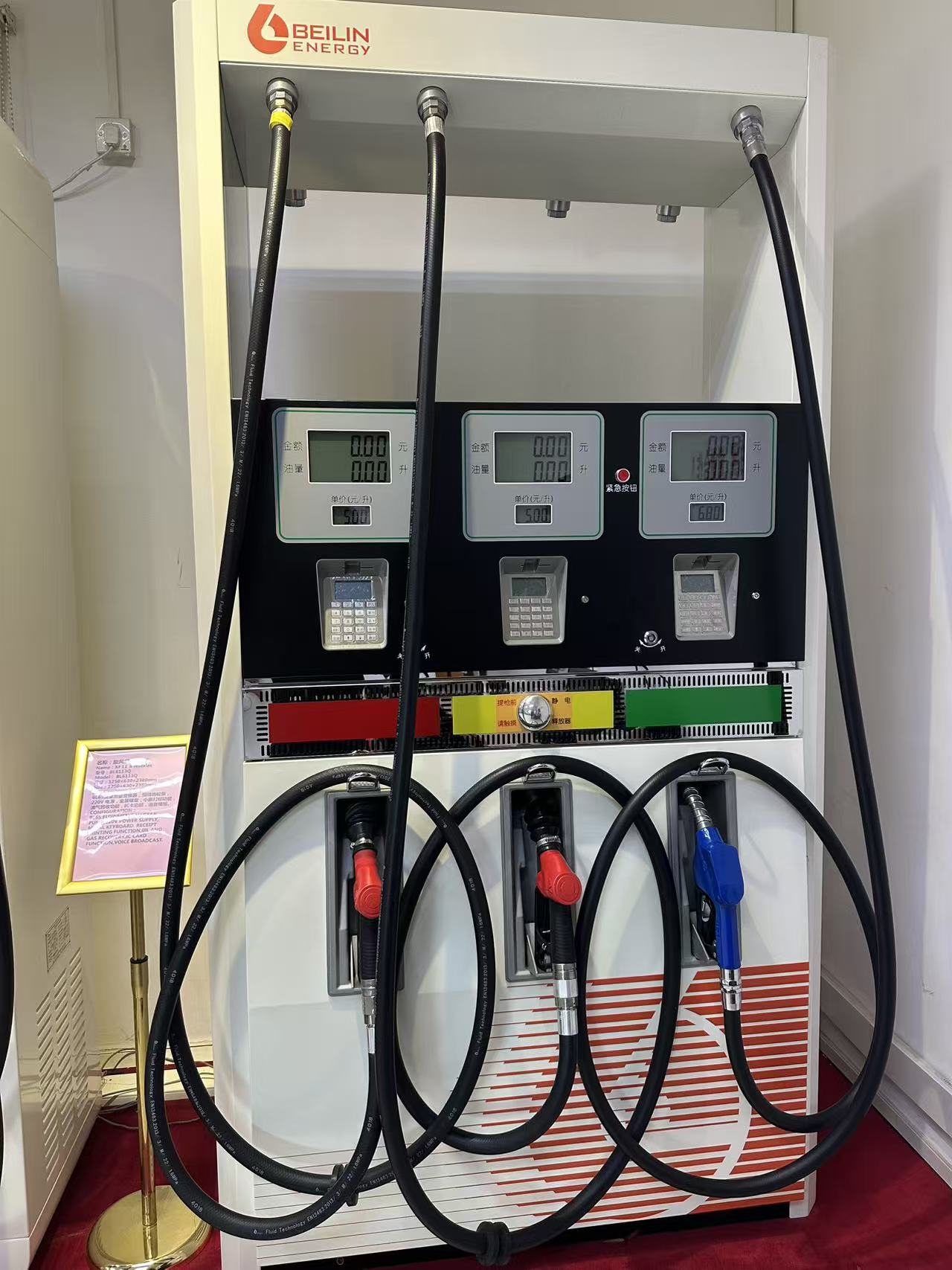
Fuel Dispensers That Handle Payment, Loyalty, and Upsells Without Slowing the Line
Modern fuel dispensers now pack smart payment terminals, loyalty recognition, and targeted upsell prompts into the same screen where you select fuel grade. Instead of fumbling for cards inside the store, customers tap or insert at the pump. The interface reads loyalty accounts via phone number, app, or RFID tag, then automatically applies discounts. Upsells appear only at moments that don't create friction: a prompt for a car wash or snack while fuel is dispensing, or a quick yes/no on the keypad before the nozzle even returns. Because these actions happen in parallel with the fueling sequence, the average transaction time stays nearly unchanged.
The real trick is sequencing. The dispenser asks for payment first, then starts fuel, and only after the nozzle is in and product is flowing does it surface loyalty points or offers. This turns what used to be dead time into a chance for add-on revenue. If someone declines, the screen drops back to fuel volume and price. If they accept, the receipt prints the extra item and charges it to the same card. No separate transaction, no walking to the window. For high-volume stations, this means more cars per hour and better margins without hiring extra staff.
Point-of-Sale Terminals Built for Two-Minute Turnarounds
The checkout counter often becomes the make-or-break moment for customer satisfaction. These point-of-sale terminals are engineered with one goal: complete the entire transaction within two minutes, from first item scan to final receipt. The touchscreen responds without perceptible lag, barcode scanners catch labels on the first pass even at awkward angles, and the interface strips away unnecessary confirmations. Cashiers quickly move through items because the system anticipates next steps, whether it is prompting for a loyalty ID while the card reader initializes or auto-filling tax fields from previous transactions.
Beyond speed, the hardware is built to handle high-volume rushes without freezing or requiring restarts. Contactless payments settle in under a second, and the terminal automatically retries failed card reads instead of forcing manual re-entry. For businesses with unpredictable queues, the terminal can switch between a full POS workstation and a self-service kiosk mode in seconds, so a two-minute turnaround remains attainable even when staffing is tight. Offline mode stores transactions locally and syncs later, ensuring a slow network never turns a quick sale into a five-minute ordeal.
Air, Vacuum, and Vending Stations That Make Drivers Linger Longer
A well-placed air pump can turn a two-minute pit stop into a ten-minute stay. Drivers who pull in for a quick tire top-up often end up browsing the vending machines while they wait, especially if the air station is positioned near the store entrance. The key is to make the air pump slow enough to give people time to look around, but not so slow that they get frustrated and leave. A digital gauge with a clear display works better than a worn-out analog one, because it keeps drivers engaged with the process instead of staring at their watch.
Vacuum stations serve a similar purpose, but they require a different kind of patience. Most people underestimate how long it takes to clean a car interior, and a strong vacuum with a long hose encourages them to tackle more than just the floor mats. Once they start, they rarely stop after two minutes. This is where the vending selection matters: if the snacks and drinks are visible from the vacuum bay, drivers are more likely to grab a cold soda or a bag of chips after they finish. Even better, place a few outdoor vending options right next to the vacuum area so no one has to walk inside with dirty hands.
The real trick is combining all three in a single, comfortable loop. A driver pulls up for air, notices the vacuum station beside it, decides to clean the back seat, and then rewards themselves with something from the vending machine before leaving. Each step adds a few minutes, but together they create a natural flow that keeps people on the lot far longer than they planned. It is not about tricking anyone; it is about giving drivers a reason to stay without feeling rushed or pressured.
Automatic Tank Gauges That Stop Shrink Before It Starts
Fuel losses rarely announce themselves. A pinhole leak in a submersible pump seal, a delivery that falls a few gallons short, a water bottom slowly eating away at tank capacity—these quiet problems compound into shrink that most operators only notice at month-end reconciliation. By then the trail is cold and the money is gone. Automatic tank gauges change that by watching the tank around the clock and flagging discrepancies the moment they appear.
Inside the tank, a probe measures product level and temperature continuously, often to a hundredth of an inch. The gauge’s software compares every dispensed gallon against the actual drop in tank volume. If the numbers don’t line up, the system generates an alert. That could be a 0.1-gallon-per-hour leak that no manual stick reading would ever catch, or an unusual temperature correction that masks a real loss. The key is that the gauge doesn’t wait for a scheduled reconciliation; it acts on the live data stream.
When alerts arrive early, a service call costs a few hundred dollars instead of an environmental cleanup or a missing-inventory write-off that runs into thousands. Managers can also tighten delivery acceptance by comparing truck tickets to what the tank actually received. Over time, the gauge builds a baseline for each tank, so even slight deviations from normal shrink patterns stand out. That’s how automatic tank gauges stop shrink before it starts—not by preventing every possible loss, but by making the earliest signs impossible to ignore.
Car Wash Systems That Turn Every Fill-Up Into an Upgrade
Most drivers see a gas station as a quick stop, but the right car wash setup changes that entirely. Instead of a basic rinse, these systems layer on high-pressure underbody blasts, spot-free final rinses, and polymer wax that beads water for days. The result is a car that looks cleaner than a hand wash, without anyone ever touching a sponge. For station owners, this means customers who come for fuel stay for the shine, and that extra time on the lot often turns into snacks, drinks, and repeat visits.
The real upgrade comes from the technology behind the brushes and dryers. Modern tunnels use variable frequency drives to match conveyor speed to vehicle length, so even long pickups get full coverage. Foam cannons switch between tri-color conditioners and ceramic sealants based on the wash package selected at the pay station. And the dryers are angled to push water off mirrors and roof racks, not just the flat panels. That attention to detail is what makes a fill-up feel less like a chore and more like a small reward.
For drivers, the choice is no longer between a cheap wash and a good one. A station with an upgraded system offers both: a five-minute express wash that actually removes brake dust, plus a premium option with tire shine and rain-repellent glass coating. The convenience of paying at the pump for both fuel and wash means no separate app, no extra line. It is the kind of seamless experience that turns a routine stop into something people look forward to on the way home.
EV Chargers That Bring a Different Kind of Regular
Most charging stops are either a hassle or a novelty. This one settles somewhere quieter. You plug in after dinner, hear the latch click, and the only change in your evening is a small amber light near the charge port. By morning, the car is full. No announcements, no drama. That reliability becomes a different kind of regular, the kind you stop noticing because it simply works, like a water heater or a well-fitted lock.
The charging curve holds back the first rush of current, then tapers long before the battery gets stressed. It is not built to win speed tests, and that is the point. The cord hangs on a wall mount with a slight curve to the holster so it slides back in one motion. Over time, the ritual shrinks: plug in, glance at the single pulsing light, walk away. You stop checking the app at midnight. You trust the routine.
That trust changes how a household moves. Errands do not begin with a detour to a fast charger. The car is ready before the coffee finishes brewing. The regular here is not monotony; it is the absence of friction. A different kind of regular, one that frees attention instead of demanding it.
FAQ
Compact multi-product dispensers that combine regular, mid-grade, and premium from a single unit reduce footprint while still giving drivers fast fueling options. Look for models with retractable hoses and overhead nozzle boots to keep the area tidy.
Install payment terminals with dual communication paths—like Ethernet with cellular failover—so transactions keep flowing even if one network drops. Opt for readers that accept contactless, chip, and mobile wallets to speed up the average transaction time.
Yes, but only if they're placed where drivers can pull in without blocking fuel lanes. Modern units with digital pressure presets and card or app payment options tend to get used more often and create a small but steady revenue stream.
Beyond basic fuel level readings, choose a system that provides real-time leak detection, temperature compensation, and delivery reconciliation. That catches discrepancies early and helps avoid costly environmental fines.
It depends on the local market, but adding at least one DC fast charger can attract a growing segment of drivers who otherwise wouldn't stop. Even a single charger with a 60–150 kW output can turn a 20-minute charge into a convenience store visit.
A robust POS tracks inventory across the whole store, manages loyalty programs, and flags age-restricted items for ID checks. It also consolidates car wash codes, propane exchanges, and even lottery sales into one interface.
Bulk DEF at the pump is cheaper for truck drivers and reduces plastic waste from jugs. A dedicated dispenser with a heated cabinet and stainless steel internals prevents crystallization and keeps the fluid flowing in cold weather.
They're more than a theft deterrent. High-resolution cameras positioned over forecourt, pumps, and POS areas help resolve payment disputes, monitor drive-offs, and provide evidence for slip-and-fall claims, which can lower insurance premiums.
Conclusion
A modern fuel station can't survive on pumps alone. The first layer of must-have equipment starts at the forecourt: dispensers that bundle payment, loyalty enrollment, and upsell prompts in one smooth transaction. These units keep lines moving while quietly nudging customers toward premium fuel or a car wash pass. Right behind them, point-of-sale terminals need to handle coffee, snacks, and fuel in under two minutes per customer—anything slower and you lose the morning rush. Air, vacuum, and vended items might look like afterthoughts, but they pull drivers out of their cars and often lead to an extra purchase inside. Meanwhile, automatic tank gauges work in the background to flag tiny leaks or delivery discrepancies before they become expensive losses.
Car wash systems sit at the intersection of convenience and profit: a fill-up can turn into an upgrade if the wash is fast, clean, and priced as an add-on at the pump. EV chargers are no longer a futuristic bonus—they attract a different kind of regular who may spend twenty minutes charging and browsing the store. Together, these machines form a network that rewards speed, prevents shrinkage, and opens new revenue streams without demanding more staff. A station that skimps on any one of them will feel the friction almost immediately, whether through longer queues, lower basket sizes, or customers quietly driving to the competitor across the street.
Contact Us
Contact Person: Jason
Email: [email protected]
Tel/WhatsApp: 8615876017548
Website: https://www.bei-lin.com/