

Top 10 Water Pipe Cleaning Machine Sourcing: The Ultimate Buyer’s Guide
2026-06-01
Finding the right water pipe cleaning machine can feel overwhelming, especially when reliability matters most. Whether you're tackling stubborn blockages or scaling up operations, the equipment you choose directly impacts efficiency and long-term costs. In a market flooded with options, knowing where to start is half the battle. That's where our guide comes in—we've narrowed down the top 10 machines that truly deliver, including standout solutions from AMJET. Get ready to make a confident, informed decision without the guesswork.
What to Look for in a Pipe Cleaning Machine’s Core Design
The heart of any pipe cleaning machine lies in its motor and transmission system. You want a setup that balances raw power with precise control, so the machine can chew through stubborn blockages without damaging the pipe walls. Look for a motor that delivers consistent torque across a wide RPM range, paired with a transmission that shifts smoothly between high-speed spinning and low-speed grinding. Inferior designs often overheat or strip gears when faced with dense debris, so paying attention to heat dissipation features—like integrated cooling fans or oversized gear housings—can save you from downtime and costly repairs.
The drum or cable management system is another make-or-break element. A well-thought-out design lets you feed and retract the cable with minimal effort, reducing operator fatigue and preventing kinks that shorten cable life. Machines with enclosed, corrosion-resistant drums keep the workspace cleaner, while transparent covers let you monitor cable length without stopping work. The cable itself should be wound tightly and evenly; a loose or twisted wrap creates friction points that weaken the steel over time. Some newer models have a variable-speed foot pedal that frees up both hands for guiding the cable, which is a practical touch often overlooked in cheaper builds.
Don’t underestimate the importance of attachment versatility and ergonomic layout. A core design that accepts a broad range of heads—scrapers, sawtooth cutters, spiral blades—means you can switch tactics mid-job without switching machines. Quick-lock couplers and tool-free adjustments are signs of thoughtful engineering, not just marketing fluff. The machine’s frame should feel balanced when lifted or wheeled through tight doorways, with handles placed at a natural carrying height. Vibration-dampening mounts beneath the drum and motor reduce the harsh feedback that travels up your arms, letting you work longer with sharper focus. These details aren’t glamorous, but they separate a dependable workhorse from a garage-shop novelty.
Matching Machine Capabilities to Your Pipework Reality
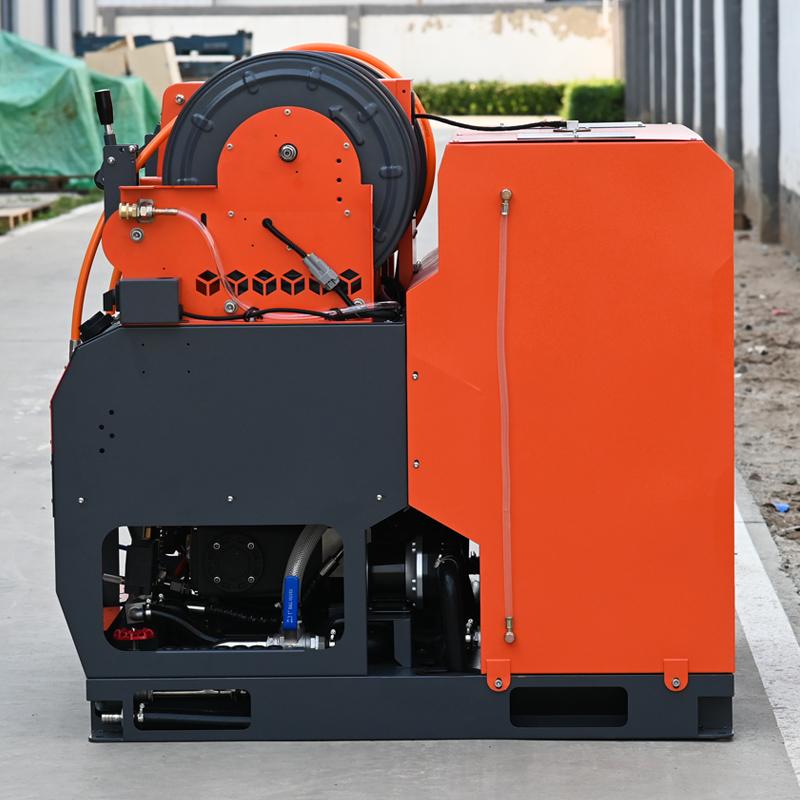
Factory spec sheets often paint a picture of perfect pipework—consistent diameters, clean bends, and ample clearance. Reality, however, tends to ignore those ideals. You’ll walk onto a site and find 40-year-old steel with corrosion pitting, conduits squeezed into corners no machine was designed to reach, and alignment that drifted long ago thanks to building settlement. A machine that excels on a test bench can stumble badly when it meets this messy, unforgiving environment.
The key is looking beyond rated capacities and cycle times to how a machine handles the unexpected. Wall thickness rarely follows the catalog value across an entire run of legacy pipe, and that variation turns a simple bend into a lottery without real-time torque sensing or adaptive clamp pressure. Clearance matters just as much—if the mandrel can’t navigate a tight offset without scraping the inner wall, you’re not doing precision work; you’re creating scrap. Match the tooling setup to what’s actually installed, not what the drawing says.
Time spent up front testing a sample of the actual pipework pays for itself in reduced rework. Swap standard dies for custom profiles when the bend radius tightens beyond normal limits, or dial back the hydraulic advance to let a weakened joint flex without splitting. It’s about reading the material’s limits and respecting them, not forcing a machine’s ambition onto a pipe that can’t comply. The best equipment in the wrong setup is just an expensive way to make noise.
The Real Cost Beyond the Sticker Price
When you see a price tag, it rarely tells the whole story. For cars, that advertised number ignores sales tax, registration fees, and the instant depreciation hitting as you pull off the lot. For software, monthly subscriptions stack up with onboarding costs and premium support tiers nobody mentions at checkout. Even a dining table can drain your wallet through delivery charges, assembly tools you need to buy, or protective pads to keep the wood from warping. The sticker price is a snapshot from a mile away, missing all the little nicks to your account that add up before you realize it.
Those overlooked extras can transform a sensible purchase into a quiet budget leak. Examine warranties—some only cover parts that seldom fail, leaving you stranded with costly labor bills. Subscription-based gear often locks you into proprietary consumables, like printer ink that costs nearly as much as the device itself. Services might tack on convenience fees, administrative processing, or mandatory gratuities hidden deep in the fine print. It’s these deliberately subtle add-ons that turn a fair deal into a slow money drain, and they’re all but invisible if you only glance at the base figure.
Over time, the price you truly pay includes time lost on repairs, emotional fatigue from dealing with shoddy customer support, and the sheer mental load of managing endless small expenses. A low initial number often masks a higher total cost of ownership, where peace of mind becomes an unlisted premium. Before committing, map out the full lifecycle: fuel or power consumption, replacement cycles, compatibility crutches, and cancellation penalties. Once those are on the table, that appealing tag might not look like such a steal—because the real cost is always more patient than the buyer.
Navigating Supplier Claims Without Getting Burned
Supplier promises can be seductive—faster lead times, premium materials, rock-bottom pricing—but the gap between what’s claimed and what’s delivered often hides in the fine print. The first step to staying safe is verifying every assertion independently. That means skipping the glossy product sheets and requesting raw, unpolished data: production batch records, third-party test results from a lab you’ve chosen, or even a candid walkthrough of their facility over video. When a supplier hesitates or over-explains, it’s rarely a logistical hiccup—it’s a signal that the claim might be more marketing than reality.
Once you’ve gathered the hard evidence, compare it not just against your specs, but against the supplier’s own past performance. A sudden jump in capacity or a price cut that seems too steep isn’t a miracle—it’s often a shortcut taken somewhere in the chain. Building in tiered penalties for unverified claims within your contract gives you teeth without burning bridges. Pair that with periodic audits that you oversee personally or through a trusted local agent, and you’ll shift the dynamic from hoping the supplier is honest to knowing exactly what you’re walking into with every order.
Hands-On Feedback from Long-Term Users
After months of daily use, the device still feels snappy and responsive—no lag, no slowdowns. The build quality has held up beautifully too, with barely a scratch or sign of wear. It’s rare to find a piece of tech that ages this gracefully.
One thing that stood out over time is how natural the controls became. The learning curve was surprisingly gentle, and now it all feels second nature. I’ve caught myself reaching for it without thinking, whether I’m jotting down quick notes or diving into creative work. It just fits into my day without friction.
Durability aside, the battery life remains impressive—still easily lasting through a full workday. And when I’ve had questions, the support team has been quick and genuinely helpful, not just reciting scripts. That kind of consistency keeps me loyal.
Future-Proofing Your Purchase Against Changing Regulations
Regulatory environments rarely stand still, and what’s compliant today might not be tomorrow. Instead of scrambling to retrofit your purchase later, look for solutions built on open standards and modular architectures. These allow updates to be applied without rebuilding the entire system, giving you breathing room as rules evolve. Ask vendors for concrete examples of how their products have adapted to past regulatory shifts—this reveals whether they genuinely design for longevity or just pay lip service to flexibility.
Another practical move is to favor equipment and systems that carry third-party certifications or meet widely recognized international benchmarks. These often serve as a buffer because they already align with stricter requirements that tend to ripple outward from leading markets. Pair this with a habit of skimming regulatory trend reports from industry bodies—not to become an expert, but to spot patterns early. That way, when a new rule drops, you’re not caught off guard, and your investment still holds its ground.
FAQ
Focus on the pipe materials you typically work with and the diameters you encounter most. A machine that struggles with thicker cast iron but excels on PVC won't help if your jobs are mixed. Also pay attention to the drum capacity—running out of cable mid-job is a headache. Motor power matters, but balance it against portability if you're moving between floors.
Electric models are the go‑to for most indoor work—they're quiet, start with a button, and you just need a nearby outlet. Pneumatic ones shine in wet or hazardous environments where electrical sparks are a risk, and they often deliver higher torque without overheating. But you'll need a beefy air compressor on site, so factor that into your setup.
Absolutely, if your work involves tight spaces like under sinks or in crawl spaces. A smaller machine you can lift by yourself saves time and crew fatigue. The trade‑off is usually cable length and power—they won't chew through main sewer blockages as efficiently. Many pros keep one portable and one heavy‑duty unit in the truck.
After every few jobs, flush the drum and cable to remove grit and sludge that cause internal rust. Inspect the cable for kinks or flattened spots—a snapped cable inside a pipe is a nightmare. Grease the bearings and check the foot pedal switch for wear. It's ten minutes well spent compared to downtime on site.
Ask for a sample unit, even if you pay for it. That hands‑on test tells you more than any spec sheet. Request references from other buyers in your region and actually call them—questions about after‑sales support and spare parts availability are key. Check if the supplier stocks common wear components locally; waiting weeks for a simple gasket can stall your business.
A robust ground fault circuit interrupter on electric models is non‑negotiable—water and electricity don't mix. Look for a quick‑release clutch that stops the cable instantly if it binds, protecting both the operator and the pipe. Gloves with good grip and eye protection aren't built into the machine, but treat them as mandatory accessories.
Many mid‑range machines come with interchangeable cables and heads for 1‑1/4 inch up to 4 inch lines. That covers a lot of residential work. But for larger commercial or main line jobs, you'll eventually want a dedicated larger drum unit with a heavier cable. Using a small machine on a big pipe is a quick way to damage both.
The machine itself is just the start. High‑quality replacement cables cost nearly as much as the unit over its lifespan. Specialized cutter heads for different blockage types add up. If you go pneumatic, a compressor that meets the CFM requirement isn't cheap. Also budget for training time—a misused machine leads to expensive repairs or callbacks.
Conclusion
Choosing the right water pipe cleaning machine starts with a deep look at its core design—how the motor handles torque under load, whether the frame is built to survive the chaos of daily site work, and if components like the drum and bearings are sealed against the grit that kills machines early. Beyond specs, you need to match the machine’s reach and cable strength to the actual pipe diameters and trap configurations you face daily, because a unit that can’t navigate a stubborn 4-inch floor drain bend is just expensive dead weight. Real cost goes far beyond the sticker price: factor in cable life, common wear-part availability, and whether routine maintenance can be done in-house or requires a specialist. Ignoring these hidden expenses turns a “bargain” into a budget nightmare.
Supplier claims about durability and performance can be misleading, so demand to see documented testing under tough conditions and ask for references from crews who’ve used the machine for at least a year. Long-term users will tell you what marketing won’t—like how the guide hose fails after 200 hours or that the foot pedal switch corrodes if you even look at it sideways. Finally, look ahead to future-proofing: regulations on wastewater and safety are tightening, so a machine designed with modular upgrades, efficient water usage, and compliance with evolving noise and emissions standards will keep you working without costly retrofits or fines. A purchase built on these pillars isn’t just a tool—it’s your competitive edge in an unforgiving trade.
Contact Us
Contact Person: Mike
Email: [email protected]
Tel/WhatsApp: +86 19545555505
Website: https://www.amjeting.com/