

Window Coverings Company Guide to Choosing the Perfect Shades and Blinds
2026-11-02
Choosing the right shades and blinds can turn a house into a home—or leave you squinting at the sun every morning. From light control to energy savings, every decision shapes how your space feels and functions. That's why we've put together this straightforward guide for window covering companies, designers, and homeowners alike. And if you want products that blend precision engineering with modern style, keep an eye on ROLLERGY as we walk you through the perfect fit for your windows.
The Light-Filtering Trick Designers Use in Bedrooms
Instead of relying on a single pair of heavy drapes, many interior designers layer a sheer linen curtain behind a blackout panel. The sheer fabric softens harsh morning light into a gentle glow, while the outer layer can be pulled shut for total darkness when needed. This combination gives you control over the room's mood without committing to one extreme.
Another approach involves using top-down bottom-up shades that let sunlight enter from above while preserving privacy below. Designers often spec these in bedrooms facing busy streets or neighboring windows, as they maintain an airy feel without exposing the interior. The effect is a diffused, almost cloudy brightness that makes the space feel larger than it is.
For a quick, budget-friendly version of the trick, try applying a frosted window film to the lower half of the glass. It scatters direct rays so you get even illumination without glare on screens or mirrors. Paired with a simple roller shade, it can mimic the layered look designers achieve with more expensive custom treatments.
Why Your Fabric Choice Outweighs Color
Color might be the first thing you notice, but fabric is what you actually live with. A vivid red cotton shirt and a muted red wool sweater are not just different shades—they behave differently on the body, hold their shape differently, and age at completely different rates. The same color printed on cheap polyester and brushed onto heavyweight linen tells two separate stories, even before you touch them.
Fabric also changes how a color is perceived. A deep navy on shiny satin catches light and reads almost electric, while that identical dye on matte flannel sinks into a soft, dusty depth. Texture, weave, and weight bend light before your eye ever registers hue, so the "best" color for you can shift entirely depending on the material carrying it.
Then there is the practical side. A white linen shirt breathes through August heat, but a white vinyl jacket becomes unbearable by noon. If the fabric fights your climate, your routine, or your skin, no amount of flattering color will make you reach for it twice. Choosing by fabric first is not ignoring beauty—it is making sure the beauty lasts past the first glance.
Blinds vs. Shades: The Honest Trade-Offs
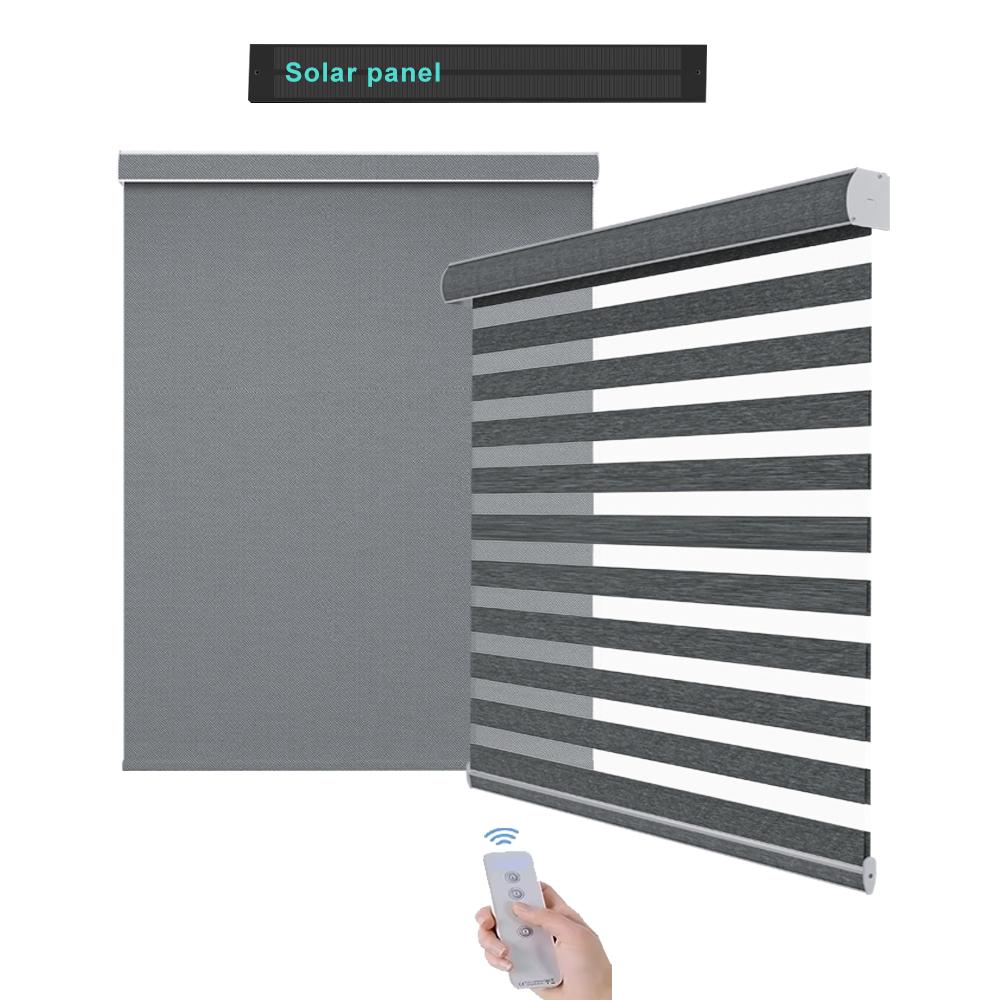
Blinds give you that sharp, adjustable light control—twist a wand and you can slice the sun into narrow ribbons or block it almost completely. The trade-off is upkeep: each slat is a dust magnet, and if you have pets or kids, bent slats are practically a rite of passage. Shades, on the other hand, sit flat and clean, but you sacrifice that granular control. Most shades are either mostly open or mostly closed, and the in-between feels more like a guess than a setting.
Then there's the question of privacy and heat. Cellular shades do a surprisingly good job trapping air, which helps in older homes with drafty windows, while aluminum blinds can actually radiate cold in winter. But blinds can be angled to let light in while keeping sightlines out—shades just can't match that trick. If you live on a busy street, that alone might tip the scale.
Finally, think about how the room actually feels. Shades tend to soften a space, making it feel more finished and textile-rich. Blinds read a bit more utilitarian, though a well-chosen wood blind can add warmth. The honest answer is that neither is universally better—it comes down to whether you'll actually use the adjustability or just want something easy to ignore.
The Measurement Step That Prevents Gaps
Skipping the measurement step rarely feels like a mistake at the moment. The tape measure lingers on the workbench while you line up the first cut, convinced the numbers are still fresh from the last check. But that confidence is exactly where small gaps start. A quarter-inch drift on one end becomes a visible crack after assembly, and by then the fix costs more than the extra sixty seconds would have.
A proper measurement pass means pausing long enough to record the actual dimension instead of the intended one. It helps to measure twice in different directions, compare those readings against the plan, and mark the exact line before any tool touches the material. This habit catches warping, shrinkage, and misaligned reference points before they turn into gaps that have to be filled, patched, or hidden later.
When the measurement step becomes non-negotiable, the finished work fits tighter and needs less correction. Gaps still appear from time to time because materials move and plans shift, but they are easier to spot early and close while everything is still adjustable. That is the practical payoff: fewer surprises at the final assembly, fewer awkward seams, and a result that holds up without relying on filler to disguise a rushed start.
A 10-Minute Cleaning Routine That Actually Works
Grab a laundry basket and start in the room where you spend the most time. Set a timer for ten minutes, toss anything that doesn't belong into the basket, and wipe the two largest surfaces you see. I usually hit the kitchen counters and the coffee table because that's what catches everyone's eye first. Don't bother moving small appliances or sorting junk mail right now.
After the surfaces are clear, run a vacuum or broom through the high-traffic paths—entry, hallway, kitchen floor. If the floors are mostly clean, a quick pass with a damp paper towel on visible crumbs works fine. Then take out the trash and put the basket items away in one trip. The point is to stop before you start scrubbing baseboards or reorganizing a shelf; those tasks kill the timer and your momentum.
You'll be surprised how much better the place feels when the clutter is gone and the floor is clean. Ten minutes won't deep-clean a bathroom, but it will make your home feel reset enough to relax or have someone drop by without panic.
Hardware Upgrades That Mimic Custom Looks
You don't need a full custom build to get that bespoke feel. Swapping out stock pulls, hinges, and even door panels for pieces with longer proportions or a hand-rubbed patina can trick the eye into thinking the whole piece was made to order. Look for solid brass or unlacquered steel hardware that will age unevenly, developing character unique to your home.
Another route is to modify the doors and drawers themselves. Replacing standard flat panels with lightly beaded frames or adding a subtle chamfer to the edges creates a shadow line that reads as intentional craftsmanship. Even something as simple as mounting an appliance door slightly proud of the cabinet face — or using exposed barrel hinges instead of concealed ones — can give that workshop-made impression.
For the most convincing effect, mix old and new. Fit a modern cabinet box with salvaged pulls that show wear in all the right places, or pair new inset doors with vintage surface bolts. The contrast between fresh construction and timeworn hardware produces a look that feels collected rather than catalog-bought.
FAQ
Start with the room's function. Bedrooms often need blackout options, while living spaces benefit from light filtering. Think about privacy and how much natural light you actually enjoy throughout the day rather than jumping straight to a style.
Look for moisture-resistant synthetics or faux wood. Real wood can warp over time in steamy conditions, but PVC or aluminum hold their shape and clean up easily.
Inside mount gives a cleaner, built-in look if your window depth supports it. Outside mount can make a small window feel larger and hides any uneven edges, so it's often the safer choice for older homes.
Matching too closely to the wall can make the room feel flat. Instead, pick a color that either blends with the trim or adds an intentional contrast. Neutrals with texture tend to age better than bold patterns.
Yes, especially cellular shades. Their honeycomb pockets trap air and create insulation. On hot days, closing them on sun-facing windows can noticeably reduce heat gain before your AC kicks in.
Measure the exact width at the top, middle, and bottom of the window opening, then use the narrowest width. For height, measure left, middle, and right, and take the longest. Never assume windows in the same room are identical.
If the windows are hard to reach or you want scheduled adjustments, motorized makes sense. For everyday standard windows, manual controls remain reliable and straightforward, so you don't pay for convenience you won't use.
Regular vacuuming with a brush attachment prevents dust from embedding. For stains, spot clean gently with mild soap and let them air dry. Avoid harsh chemicals that can break down the fabric coating.
Conclusion
Choosing the right window covering often comes down to a few details that show up in daily life. In bedrooms, the real trick is pairing a sheer layer with a heavier drape or shade so you get soft daylight without sacrificing privacy at night. Fabric matters more than color because the weave and weight determine how the light lands and whether the room feels airy or closed in. When comparing blinds and shades, it's not about one being better; shades tend to offer a cleaner, softer look and better insulation, while blinds give you more precise control over light and airflow. The honest trade-off is between simplicity and adjustability.
Even the best product won't look right if the measurements are off. Taking the time to measure at multiple points along the window, especially for inside mounts, prevents those annoying side gaps that ruin the look. Once installed, a quick weekly routine with a vacuum brush and a damp microfiber cloth keeps dust from turning into grime, and it takes about ten minutes for a whole room. If you want the feel of custom design without the price, swap out standard hardware for heavier rods, decorative finials, or matching brackets. These small upgrades make even budget shades read as intentional and tailored.
Contact Us
Contact Person: Vivien Cheng
Email: [email protected]
Tel/WhatsApp: +86 13751758835
Website: https://www.rollergytech.com/